Mercedes-Benz at 140: The grand tour arrives in India
Sixty thousand kilometres, 55 countries and six continents later, the Mercedes-Benz anniversary world tour arrives in India this July. The Indian leg is a fitting highlight of the journey, celebrating the brand's enduring relationship with the country spanning more than three decades.

The most romantic thing a car brand can do on its 140th birthday is drive. Not appear at concours. Not host galas. Not project three-pointed stars onto European facades. Just put three of its newest flagships on the road, point them at the world, and see what happens when six continents come into a windscreen.
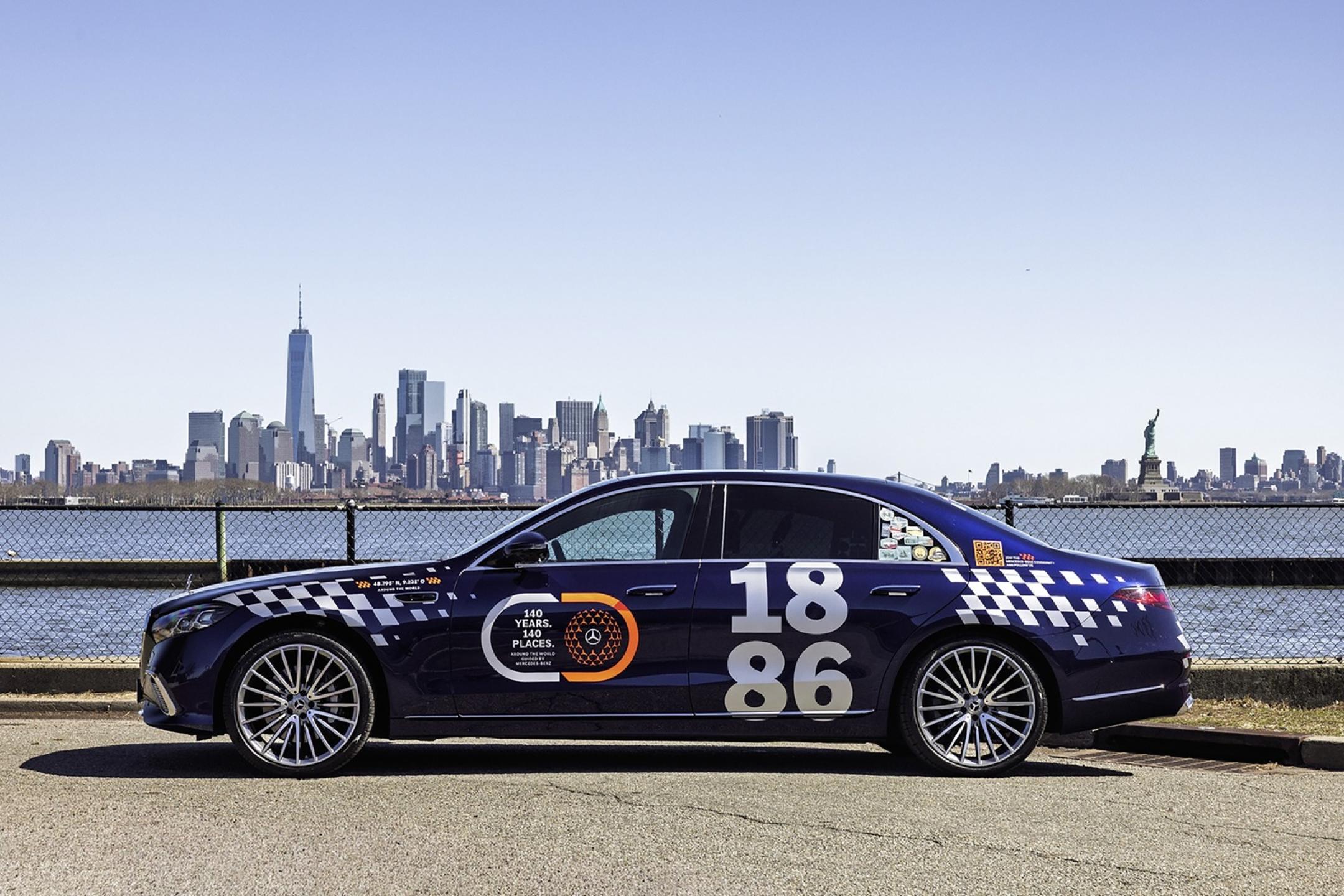
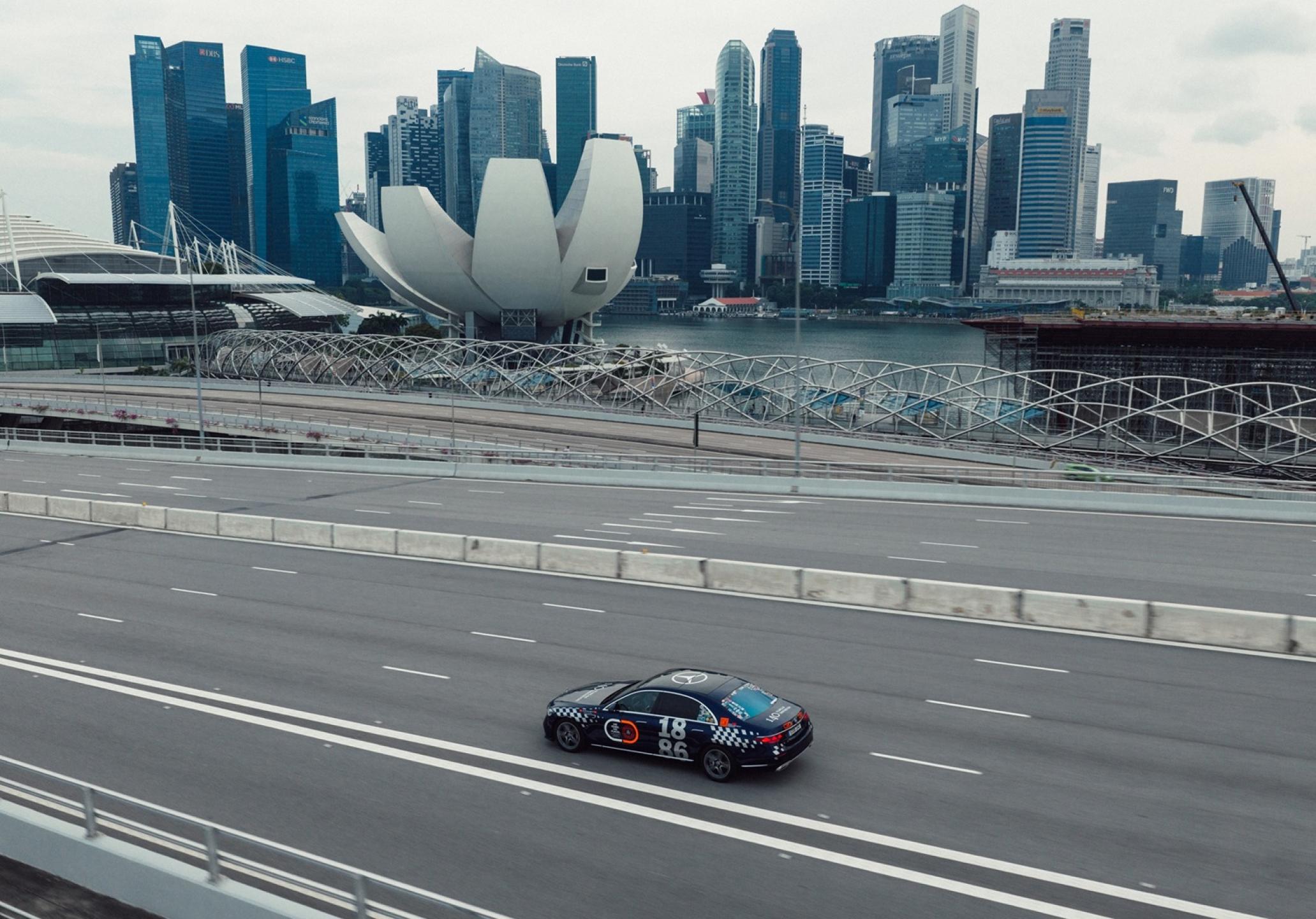
Mercedes-Benz, this year, is doing exactly that. Three new S-Class limousines — Gotlieb, Carl and Bertha, named for the brand’s founding figures — have already covered more than 60,000 kilometres across 55 countries on the long, leisurely, photographable journey the company is calling ‘140 Years. 140 Places.’ In July, they arrive in India. What is interesting is not that they arrive. It is the route they are going to take once they do.

Three names, one of them quietly remarkable
A small detail, worth pausing on. The three cars are named Gotlieb, Carl and Bertha — for Gottlieb Daimler, who built the world’s first motorised carriage in 1885; Carl Benz, who patented the world’s first automobile in 1886; and Bertha Benz, Carl’s wife, who did something less commemorated but arguably more important.
In August 1888, Bertha Benz took her two sons, ‘borrowed’ her husband’s prototype without telling him, and drove from Mannheim to Pforzheim and back — the world’s first long-distance automobile journey. She bought petrol from a pharmacy. She cleared a clogged fuel line with a hatpin. She insulated a worn ignition wire with one of her garters. She arrived, and in doing so quietly settled the question of whether the automobile was a curiosity or a future. The S-Class taking the most ambitious of the Indian routes is named for her. It is, frankly, perfect.
Gotlieb goes north
Gotlieb begins in Delhi and turns north. Amritsar. Jammu. Kashmir. Ladakh — and within Ladakh, Umling La, the highest motorable pass on earth at 5,798 metres above sea level. An S-Class at altitudes that thin the air to less than half its sea-level density. Past Manali, through the demanding switchbacks that thread the lower Himalayas. Down to the cultural plain — Lucknow, Varanasi, Patna — where the cars will be photographed in places that have been continuously inhabited for two thousand years. A brief crossing into Bhutan, the journey’s only international leg from India. Then back to Delhi.
It is, on paper, a punishing route. It is also, on any honest reading of the country, the only honest way to drive India.
Carl and Bertha take the long way south
The other two flagships head south. Agra, Jaipur, Udaipur and Ahmedabad — the architecture, royal craftsmanship and slow-built artistry of India’s western heritage corridor. Then Pune, home to Mercedes-Benz’s Indian manufacturing facility, and a fitting waypoint for a brand celebrating its industrial history.
From Pune, the two cars split. Carl heads to Mumbai. Bertha takes the longer way around, through Hampi — the ruined Vijayanagara capital where one of the world’s last great medieval empires left its temples standing in the rocks. The two reunite in Bengaluru, at the Mercedes-Benz R&D centre. Then west, to Goa, and a final coastal run back to Mumbai.
Across both routes, the country gets to play its full part — Himalayan, Mughal, royal Rajput, devotional Gangetic, industrial Maharashtrian, technological South Indian, coastal Konkan. Seven geographies in a single anniversary year. A brand of this age, choosing to see all of them, is making a quiet point.
What 140 actually means
What ‘140 Years. 140 Places.’ actually is, beneath the marketing language, is an 1885-to-now exercise in cultural cartography. Mercedes-Benz has spent fourteen decades embedding itself into specific places, with specific people, in ways that have less to do with horsepower and more to do with cultural permission. The S-Class is, in this sense, the vehicle. India is the destination.
That India makes 140 Places at all is, perhaps, the larger story. Mercedes-Benz has been formally selling cars here for thirty years. The country now generates the kind of commercial and emotional investment that earns it a multi-route, multi-month place on a global anniversary tour. Three S-Class limousines named for the people who started the automobile, arriving in India this July, is an acknowledgment of sorts.
Not of where Mercedes-Benz has come from. Of where it is now.
Leave a Comment
0 Comments
No comments yet — be the first!