Kia Syros EV launches in India at INR 13.49 lacs. A price that hides its true value
At INR 13.49 lacs ex-showroom, the Syros EV is priced to compete. What makes it genuinely interesting is not the number on the sticker, but the 80 per cent assured buyback, the Battery-as-a-Service option, and the fifteen-year battery warranty behind it.

The most interesting thing about the Kia Syros EV, launched in India at INR 13.49 lacs (ex-showroom), is not the car. At this price point, it rarely is. It is what Kia has decided to price around it.
The Syros EV is Kia India’s second mass-market electric vehicle, following the Carens Clavis EV, and its most direct answer yet to a set of Indian EV buyers who have, for two years, been asking the same set of questions. What happens to the battery. What happens to the resale value. What happens if the ecosystem shifts before the loan is done. Kia has, this week, arrived at answers to all three.
An industry-best 80 per cent assured buyback after three years. A Battery-as-a-Service option that opens ownership at INR 7.99 lacs and prices the battery at INR 3.30 per kilometre. A Lifetime High Voltage Battery Warranty running fifteen years for the first owner. None of these are marketing add-ons. They are the entire proposition. The car happens to be underneath them.
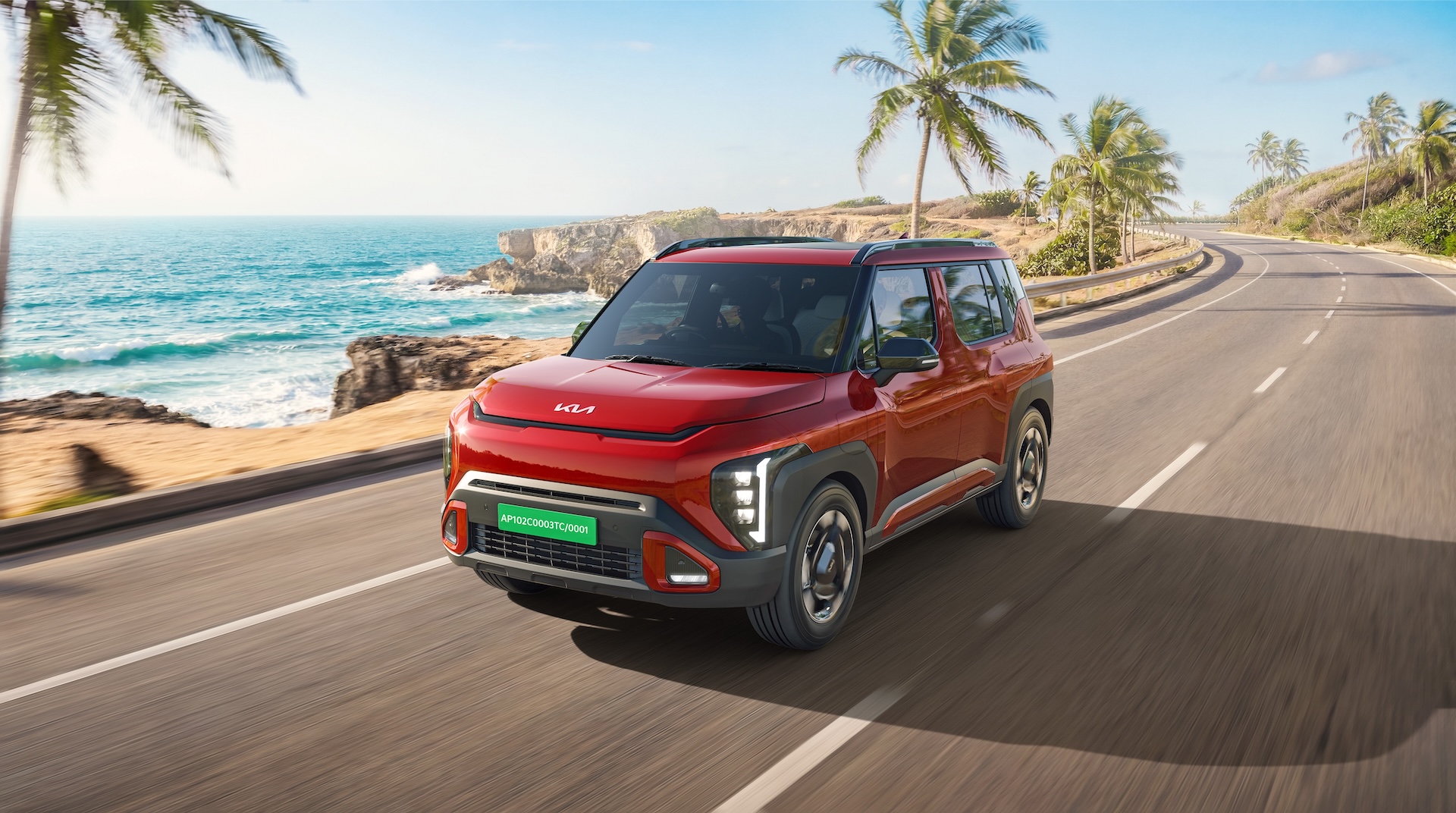
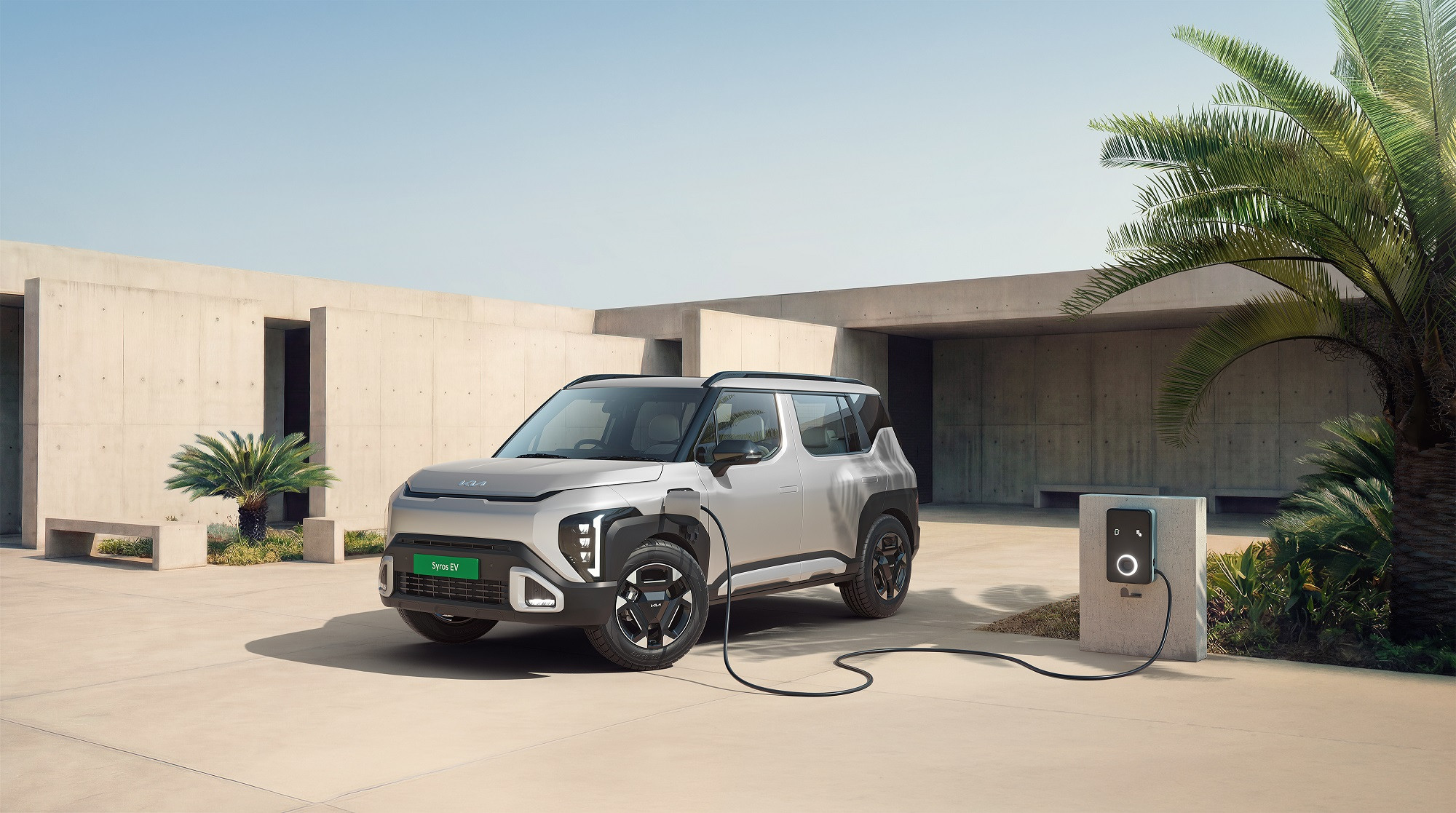
The car, briefly
That the Syros EV is very good is, in this context, almost a bonus. Built on Kia’s reinforced K1 platform, it is offered in two battery configurations. The 42 kWh variant delivers 443 km of ARAI-certified range. The 51.4 kWh Extended Range variant delivers 526 km, becoming the first vehicle in its segment to cross the 500-kilometre mark. Best-in-segment 171 PS on the top spec. 0–100 in 8.1 seconds. DC fast charging from 10 to 80 per cent in 39 minutes on a 100 kW charger.
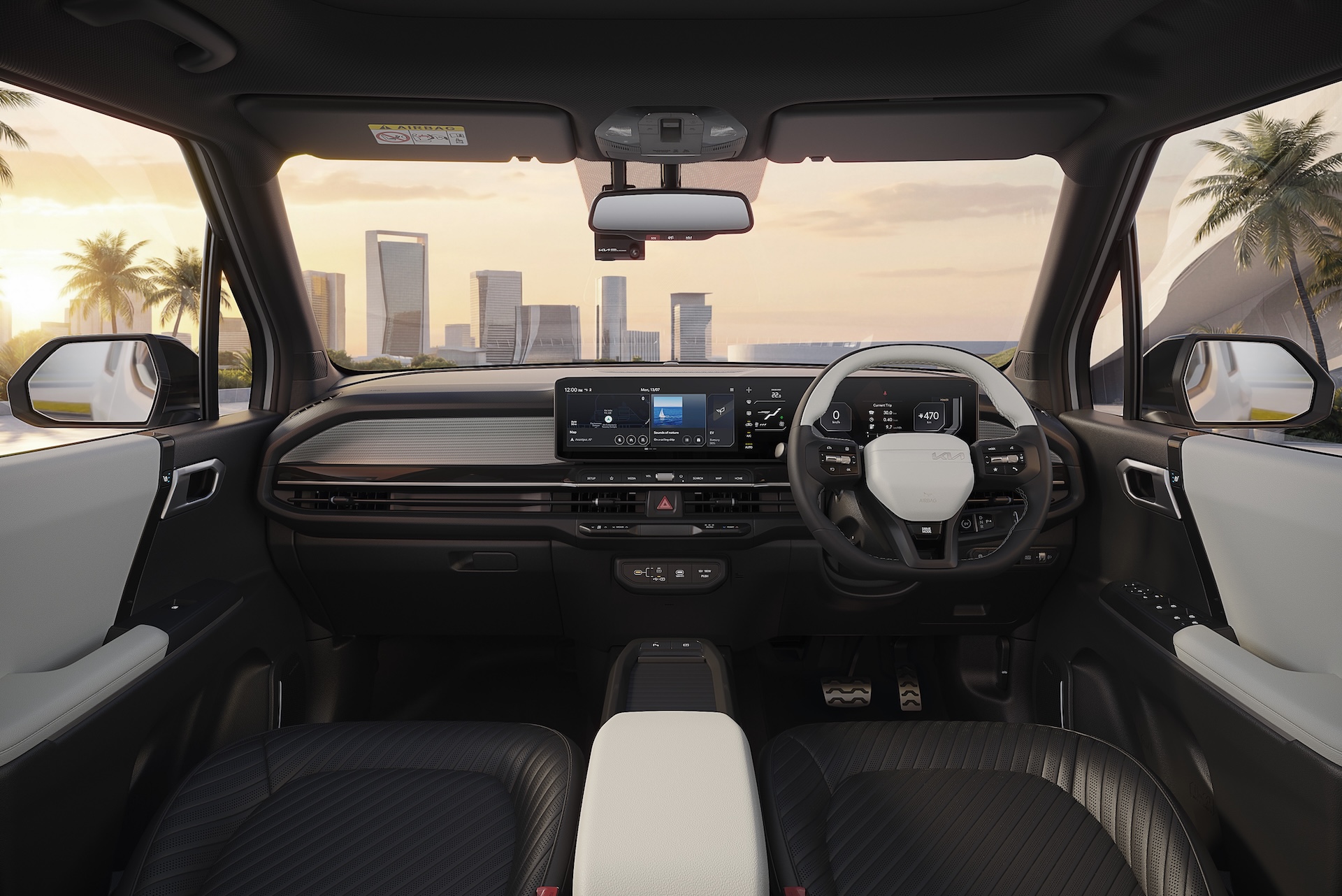
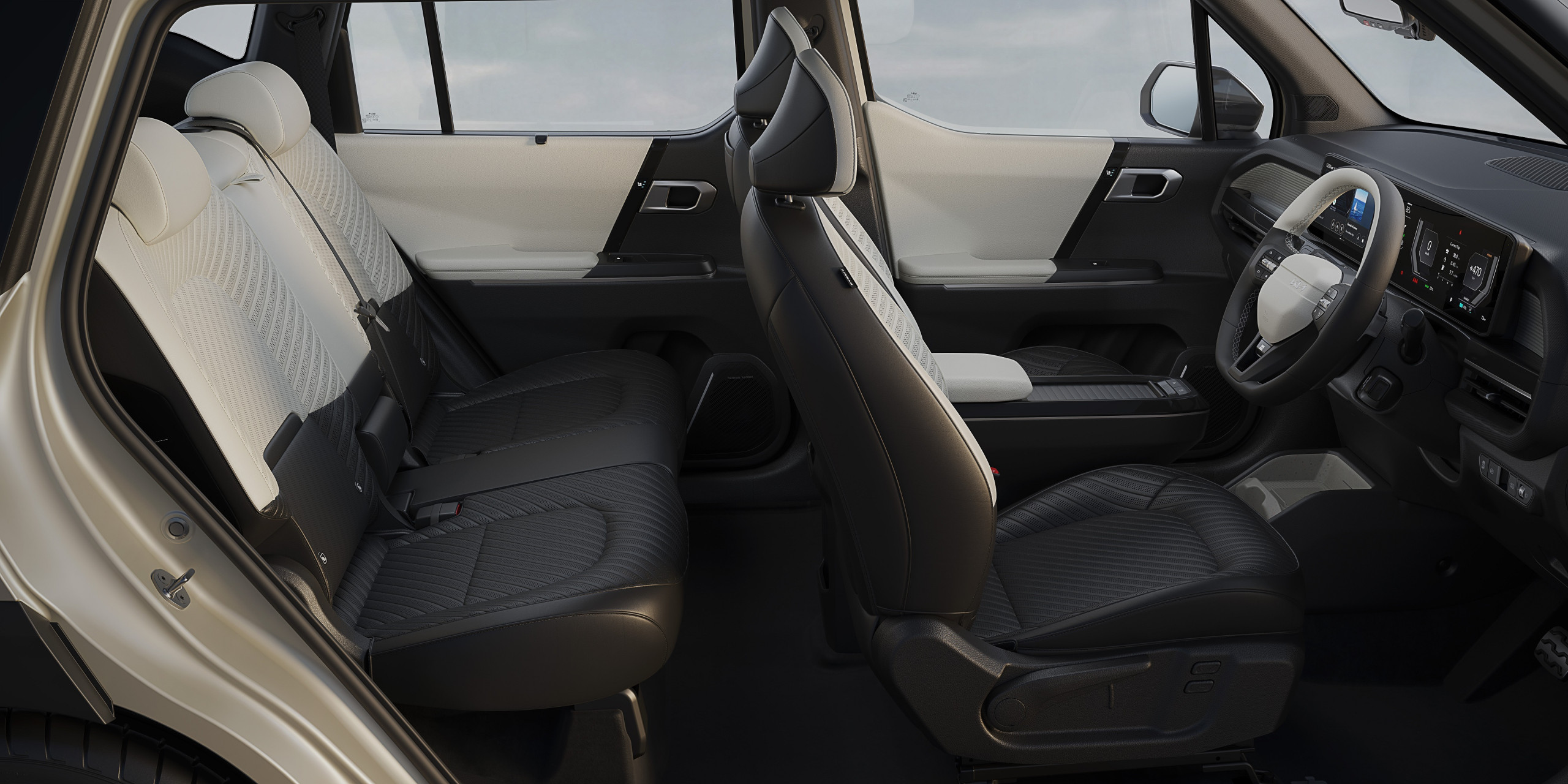
Inside, a 30" Trinity Panoramic Display Panel combines a 12.3" instrument cluster, a 12.3" central touchscreen, and a 5" climate control screen behind a single glass surface. Kia Connect 2.0 with over ninety-five connected features. Over-the-air updates. Wireless Android Auto and Apple CarPlay. Harman Kardon eight-speaker audio. A dual-pane panoramic sunroof. Sixty-four-colour ambient lighting. Ventilated seats. Level 2 ADAS with sixteen autonomous functions, six airbags, a 360-degree camera. The specifications sheet, honestly assessed, is longer than the segment is used to.
The ownership maths, which is the actual story
Take the 51.4 kWh HTX at INR 17.99 lacs as a working example. Under the standard route, a customer pays the full amount, drives the car, and at the end of three years receives up to 80 per cent of the original value back if they choose to sell it to Kia. In practical terms, that puts the effective ownership cost at roughly INR 4 to 5 lacs over three years, before running costs, for a 526-kilometre EV. It is a genuinely disruptive number.
Under Battery-as-a-Service, ownership begins at INR 7.99 lacs for the chassis, with the battery financed separately at INR 3.30 per kilometre. A customer driving 15,000 kilometres a year pays roughly INR 4,125 in monthly battery cost. For a buyer who values low upfront outlay and predictable monthly running, the arithmetic is compelling in a way EV pricing in India rarely is.
Add to that the fifteen-year Lifetime Battery Warranty, covering the single most expensive component in the vehicle for effectively the useful life of any first owner, and Kia has removed most of the anxieties that have kept mainstream Indian buyers hesitant on electric. The Tata Nexon EV has led the segment on familiarity and price. The Syros EV is challenging it on something less obvious: certainty.
Where this leaves the segment
The Indian mid-priced EV segment has been dominated by the Tata Nexon EV, and more recently by the MG Windsor and the Mahindra BE 6. Kia is not attempting to undercut any of them on the sticker. The Syros EV starts higher than the Nexon EV, and lands squarely in the middle of the segment on price.
What Kia is doing, instead, is pricing the ownership. An 80 per cent buyback is what a European luxury brand offers on a leased S-Class. Kia is offering it on a car that starts at INR 13.49 lacs. The BaaS structure has existed in the Indian market for a few years, but Kia is pushing it further downmarket and pricing it more aggressively than anyone has to date. Whether the segment competitors can match this package, and not just the specifications, will define the next twelve months of the Indian mass-market EV story.
What this leaves us with
The Kia Syros EV, on any careful reading, is not the most exciting car launched in India this year. It is not the fastest, or the most beautiful, or the most technologically ambitious.
It is, however, quite possibly the most complete pitch. A well-specified electric SUV, competently priced, wrapped in an ownership programme engineered to remove almost every reason a customer might have to say no.
That is not a small thing. In the segment where India’s electric transition will actually be won or lost, Kia has just made everyone else’s decisions considerably more interesting.
Note: All figures manufacturer-claimed. MIDC range is best-case; real-world range in Indian conditions, with the air-conditioning earning its keep, will land noticeably lower. Ex-showroom pricing is introductory.
Leave a Comment
0 Comments
No comments yet — be the first!