Xiaomi at IFA 2026 Berlin: A Chinese ecosystem, staged for Europe
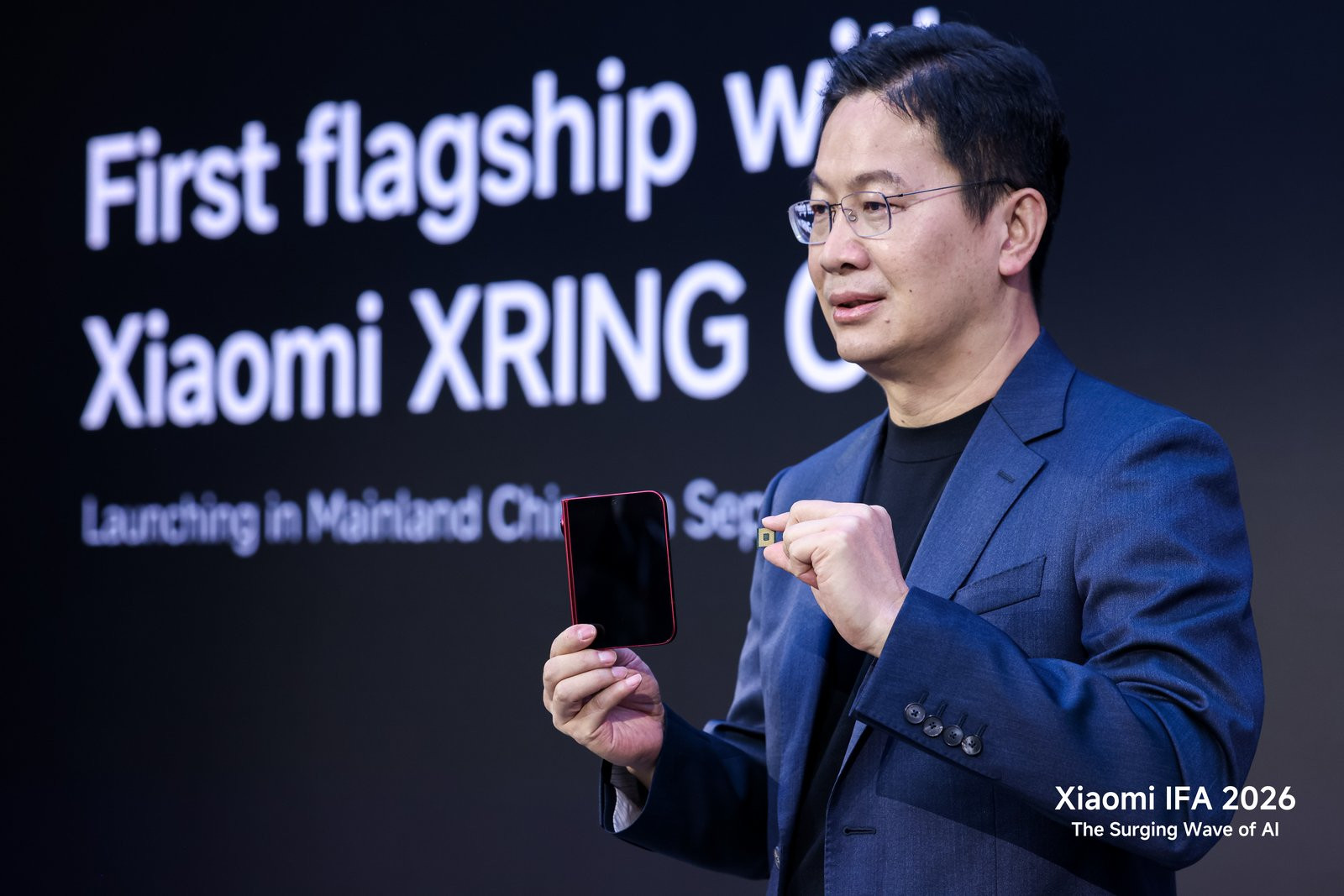
Xiaomi arrived at IFA Berlin with its largest-ever overseas showcase: 3,300 square metres, more than 380 products, and the full ‘Human Car Home’ ecosystem in one place. The show is a preview of Xiaomi Auto’s 2027 European launch, and a fairly clear statement about which market it is aimed at.

Xiaomi’s IFA 2026 debut in Berlin brings together three years of work as the company quietly builds what it calls its ‘Human × Car × Home’ smart ecosystem. Now, it has decided Europe should see the whole thing at once.
The timing isn't accidental. Xiaomi Auto enters the European market in 2027, with Germany as the first stop. Mijia, Xiaomi’s smart home brand, is expanding at scale across Europe as we speak. And Xiaomi’s smartphone business has been in the global top three for twenty-four consecutive quarters. The Berlin show is, in effect, a soft preview of what is about to happen to European retail.
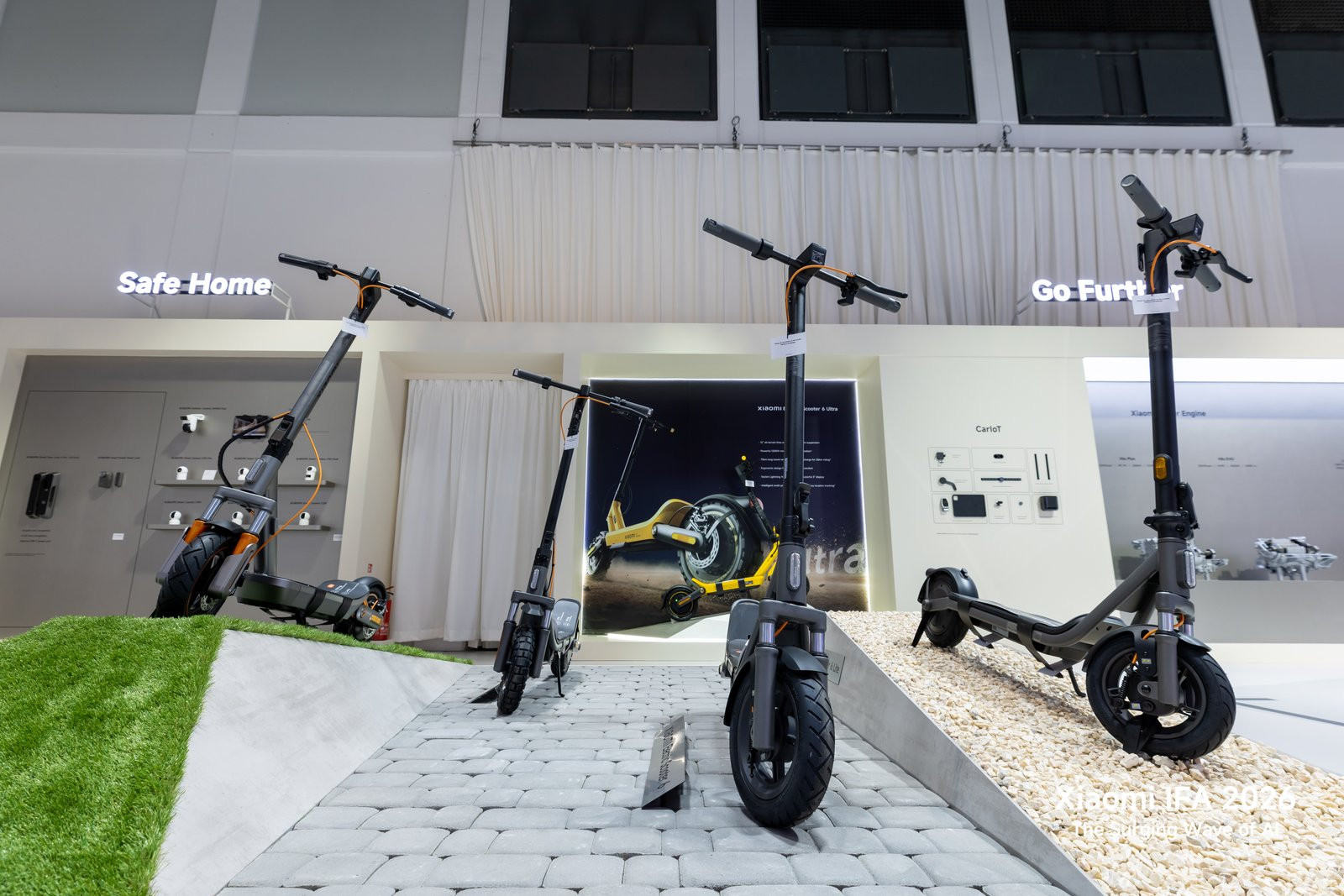
First, what’s actually on display
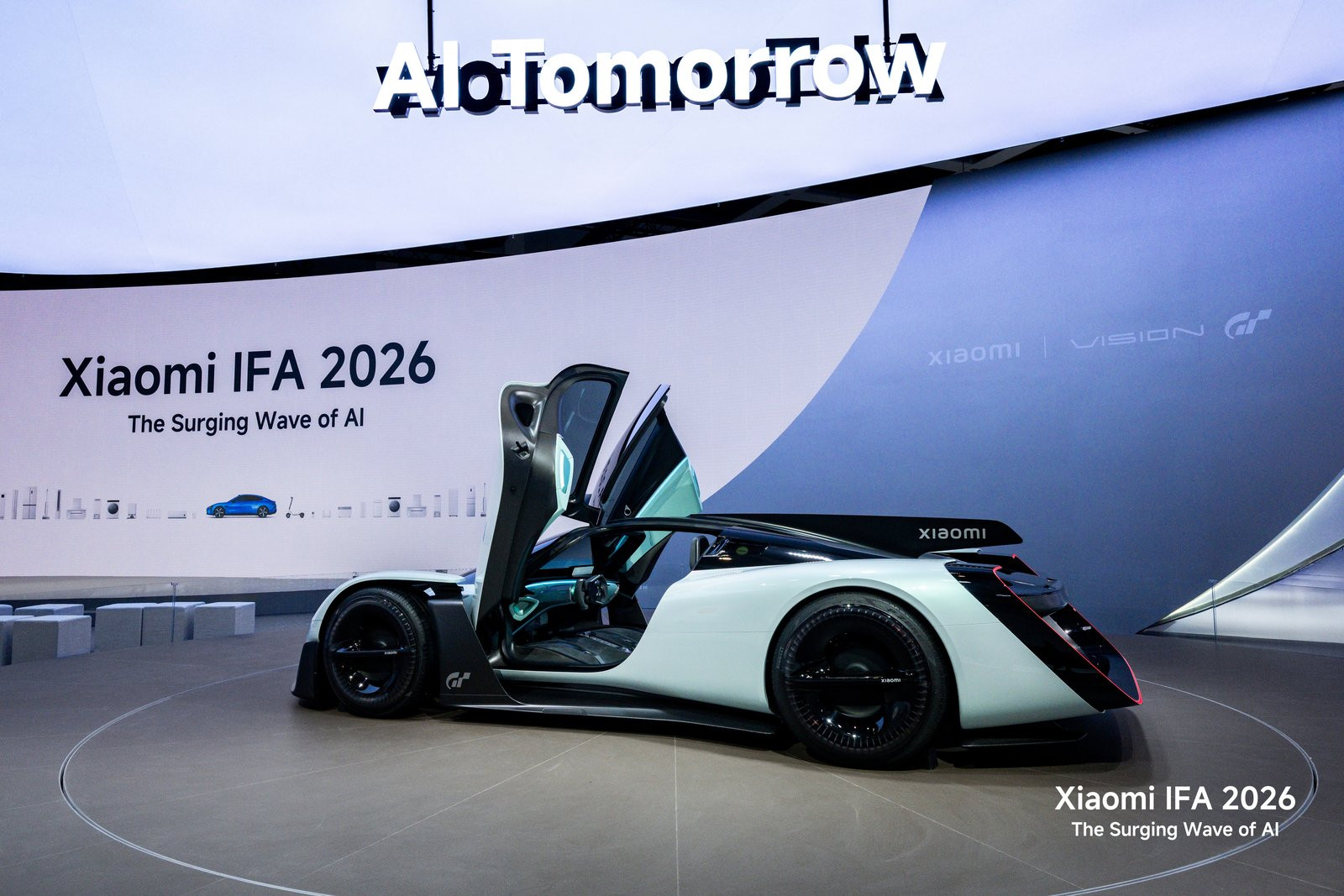
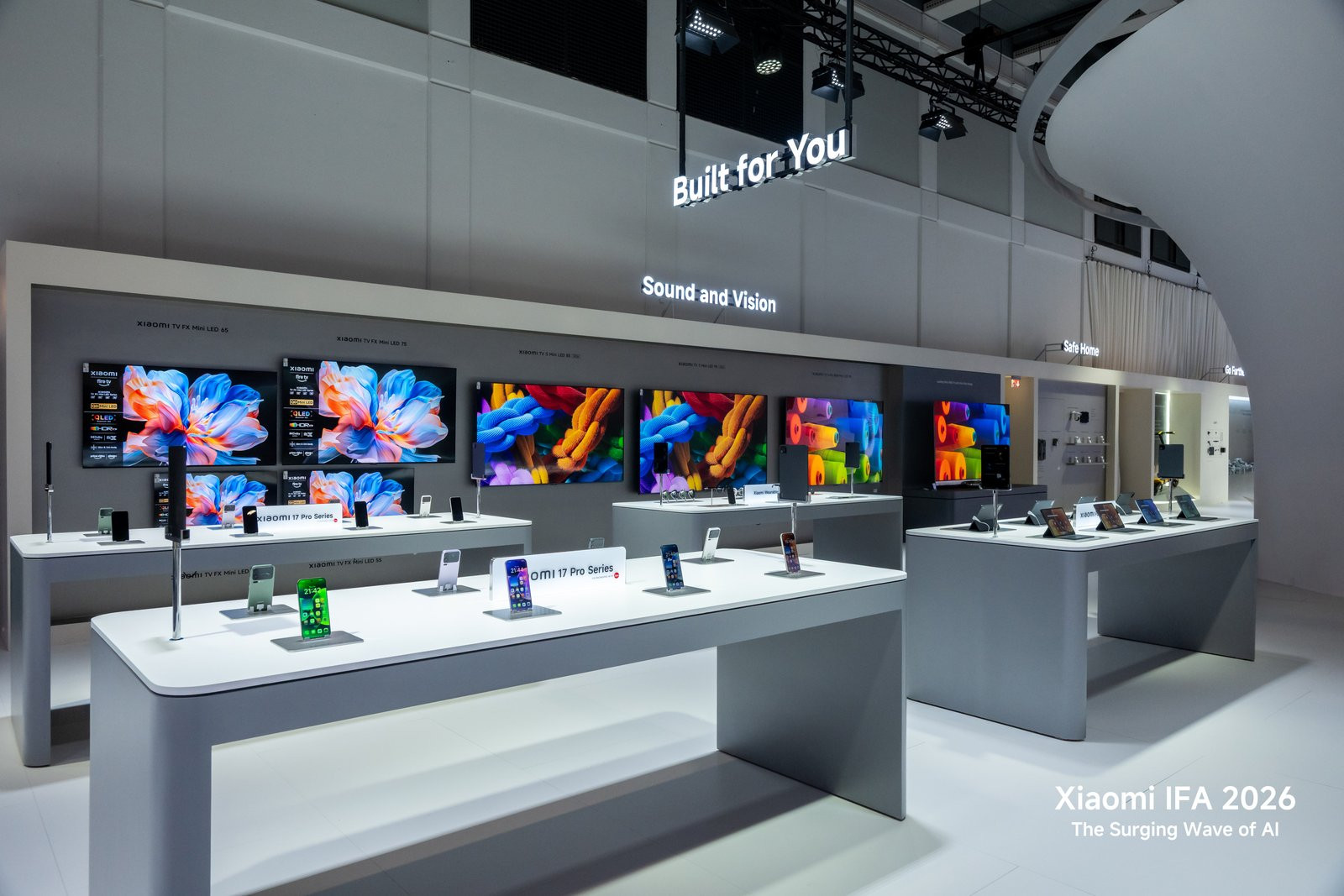
The exhibition is organised around three themes: AI Tomorrow, AI Today, and Human × Car × Home Product Portfolio. Which is trade-show speak for: here is the concept car, here is what the ecosystem does today, and here is the rest of the product line.
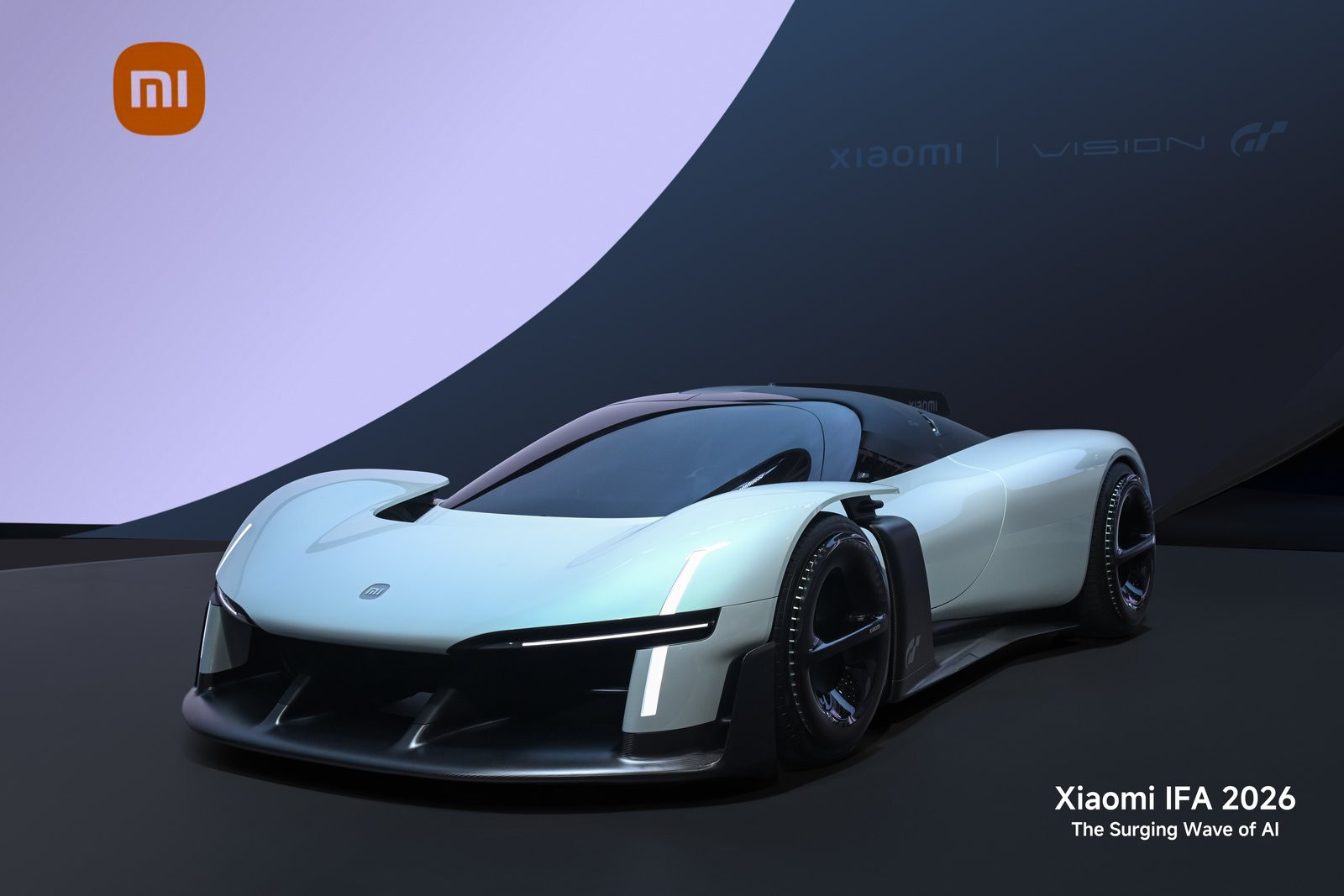
The concept car is the Xiaomi Vision Gran Turismo, a virtual electric hypercar Xiaomi designed for the Gran Turismo video game franchise. Xiaomi is, notably, the first technology company invited to join the Vision GT programme. Teardrop cockpit, an ‘Active Wake Control’ system, a ring-shaped Xiaomi Pulse assistant inside. It exists, for now, only in a video game.
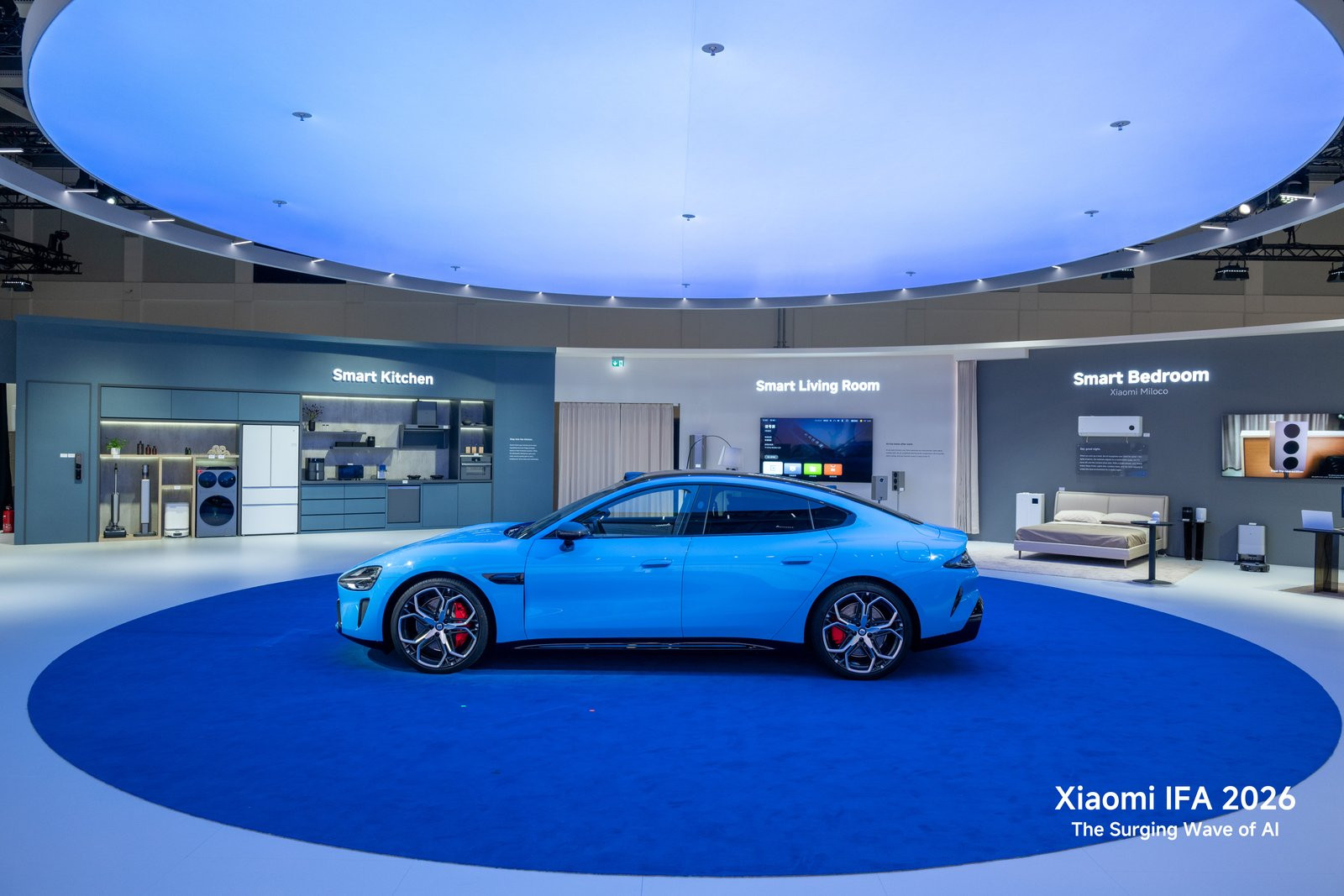
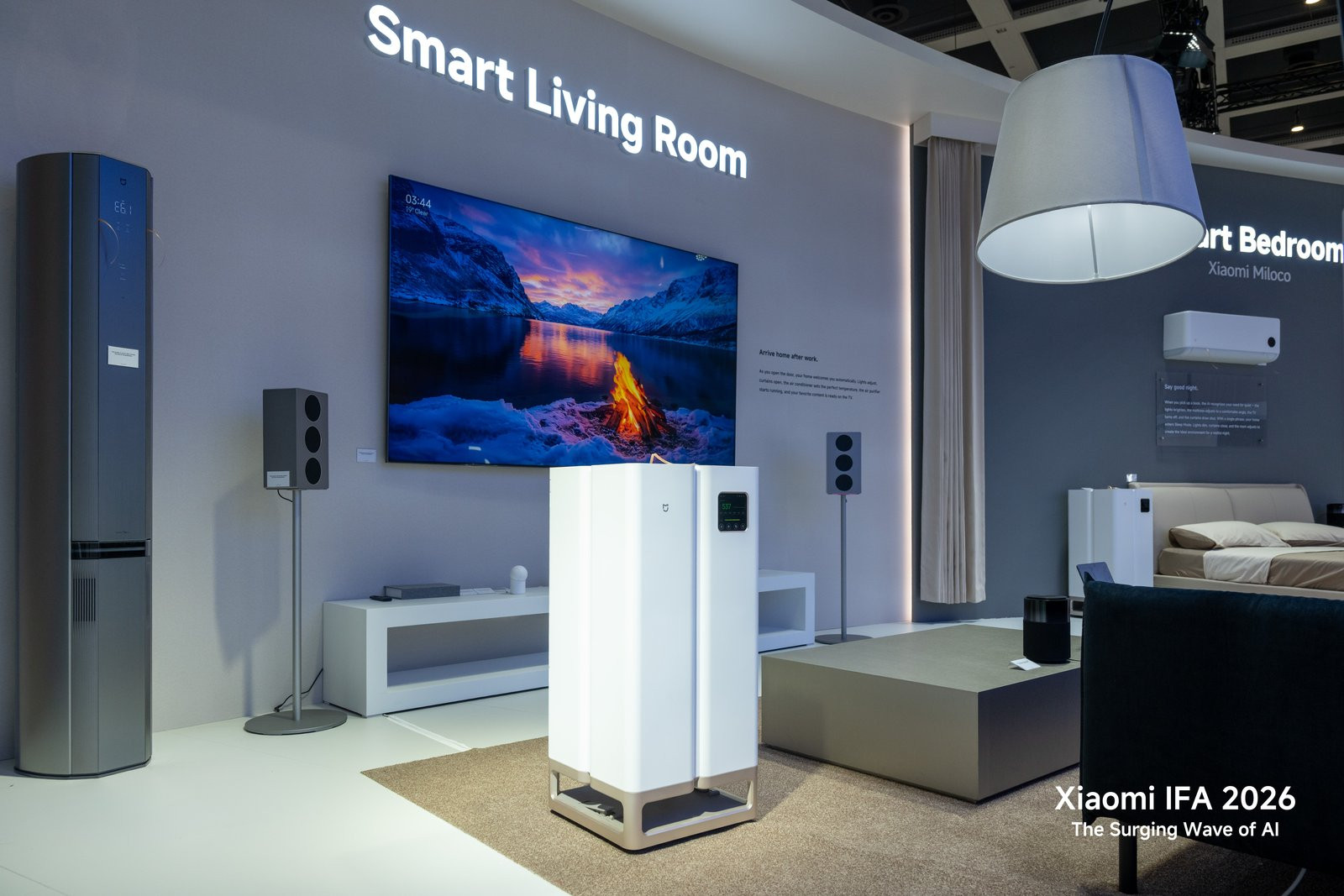
The everyday ecosystem is anchored by the current Xiaomi SU7 Max and a series of home scenarios — kitchen, living room, bedroom, study — designed to show how a Xiaomi phone can coordinate with a Xiaomi car and a Xiaomi refrigerator to actually do useful things. Drive home, and the air-conditioning is already at the right temperature when you park. Say ‘print the photo I just took’ and several devices coordinate to make it happen.
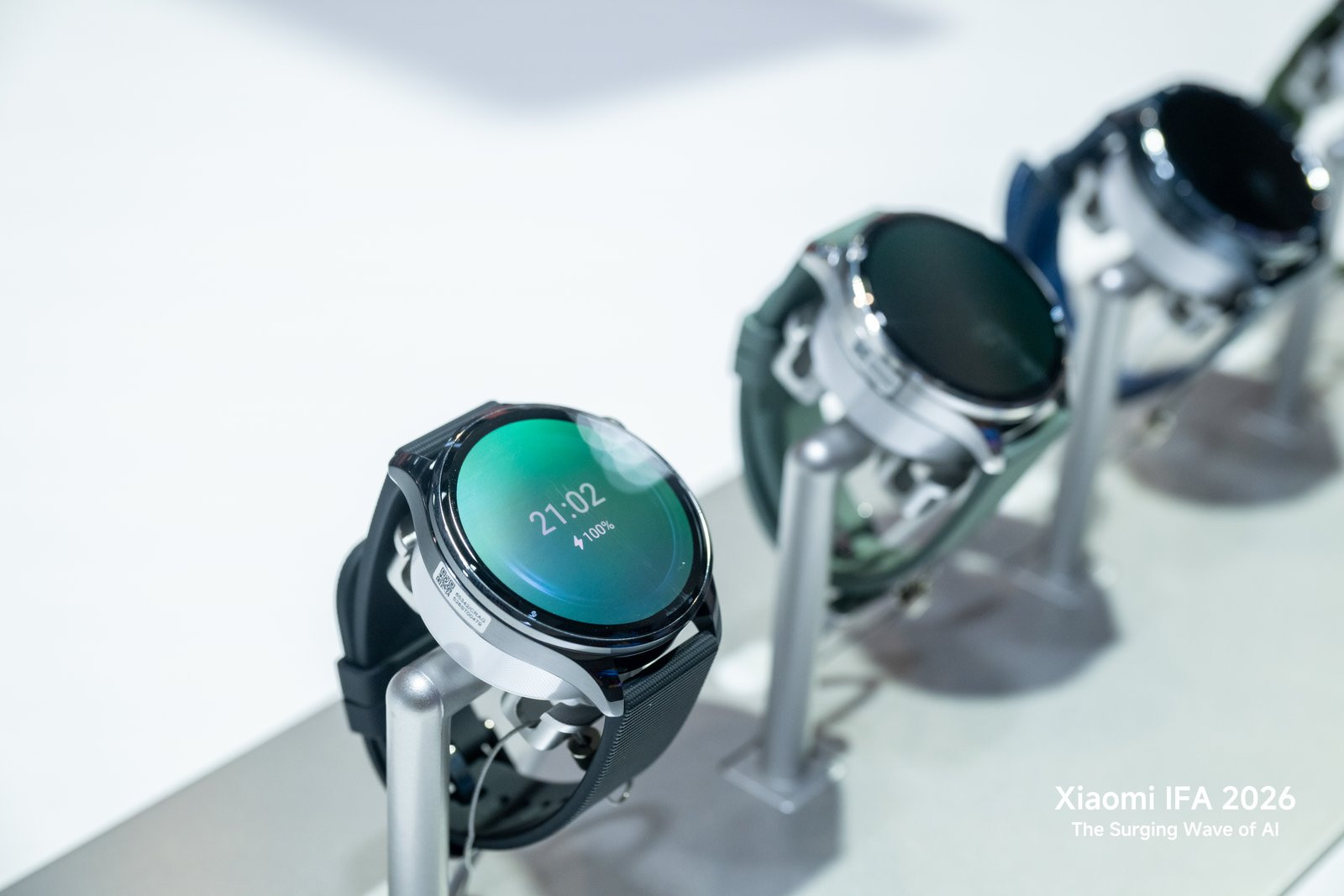
The product portfolio itself runs to over 380 items across seven categories: cooking, cleaning, air management, audiovisual, security, personal devices and mobility. Which is, quite literally, most of what a person could buy for a modern home.
About that car business
The most extraordinary story on the Berlin floor, though, is Xiaomi Auto. First vehicle delivered in March 2024. More than 700,000 cars delivered in mainland China since. The Xiaomi YU7 pulled in 240,000 locked-in orders on its opening day. The SU7 Ultra set the Nürburgring Nordschleife record in the Electric Executive Car category in April 2025.
That is, in every meaningful sense, a serious car company built in less than three years.
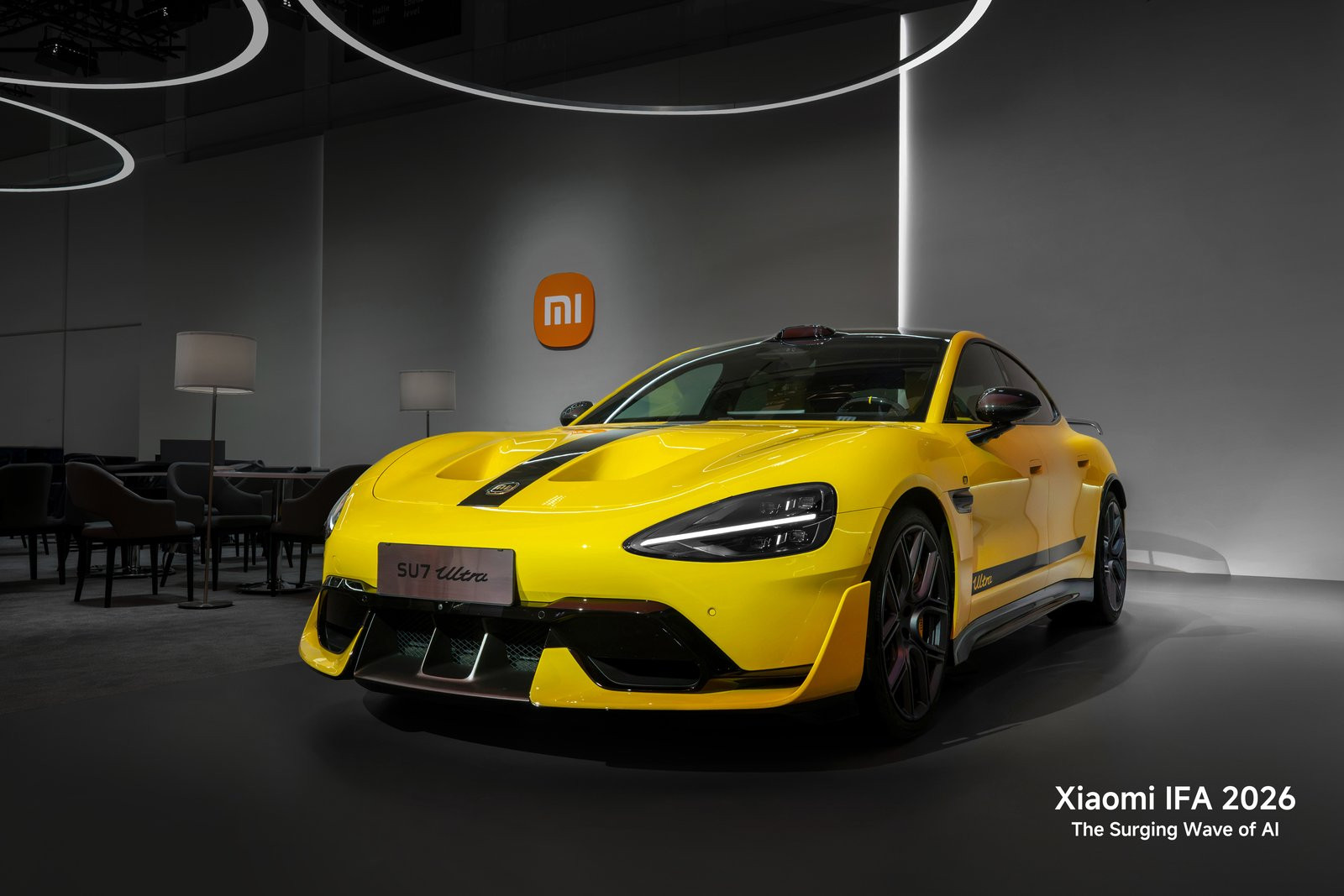
The Berlin display shows three cars: the Vision GT concept, the new-generation Xiaomi SU7 (positioned as a mainstream driver’s car), and the SU7 Ultra (the high-performance flagship). Together, they map out the full spectrum of Xiaomi Auto’s current range and preview what will arrive on German roads in 2027.
There is a particular audacity to launching your car business in the German market ahead of your smartphone business’s peak year there. Xiaomi is doing it anyway.
The scale, in numbers
Xiaomi is the sort of company whose scale numbers do not quite compute on first reading. Twenty-four consecutive quarters in the global top three for smartphones. Global number two in wearables. Fourth in tablets. 1.1 billion connected devices on its AIoT platform. 175 million households actively using it.
The Xiaomi Smart Factory in Wuhan can produce one air conditioner every six-and-a-half seconds at peak. The Beijing smartphone plant turns out ten million flagship phones a year. Humanoid robots (the Xiaomi CyberOne) are already trialing on the Xiaomi Auto factory floor, where their nut-tightening success rate has climbed from ninety per cent to ninety-eight per cent in four months.
And from 2026 to 2030, Xiaomi expects to spend over EUR 24 billion on research and development. That is a five-year research budget larger than the annual revenue of most premium automotive brands.
Why Berlin, and what this really is
Berlin is not an incidental choice of venue. Germany is where Xiaomi Auto will launch first in Europe in 2027. It is the home market of Mercedes-Benz, BMW, Audi, and Volkswagen — the brands the Xiaomi SU7 and YU7 will, in short order, be asked to compete against. It is where ‘ecosystem’ is going to be sold as a Chinese consumer proposition in a European luxury market, and where the local incumbents have, so far, not quite matched the depth or coordination of what Xiaomi has assembled.
The IFA booth is, then, a positioning statement. It is Xiaomi saying, quite politely, that the largest and most integrated consumer technology ecosystem in the world was built in Shenzhen. That it is coming to Europe. And that the German legacy brands might want to have thought about their own ecosystems by now.
Whether Xiaomi’s ecosystem play ultimately succeeds in Europe is a question for 2028 or 2030, not 2026. What is already clear, on any careful reading of the Berlin exhibition, is that the ecosystem itself is real, funded, at global scale, and no longer aspirational.
The Berlin booth, in that sense, isn’t really a debut. It is an announcement of arrival. And for the European incumbents that IFA has traditionally belonged to, it is probably worth taking seriously.
Leave a Comment
0 Comments
No comments yet — be the first!