In pursuit of the perfect biryani: Japanese Chef Takamasa Osawa on obsession, craft and the art of mastering a single dish
What happens when a Japanese craftsman spends a lifetime pursuing the perfect Indian dish? Takamasa Osawa, the Michelin-recognised founder of Biriyani Osawa in Tokyo, speaks exclusively to us about his obsession with the ultimate biryani, the Japanese discipline of mastering one thing, deliciousness as a mark of authenticity, aroma as a memory, and why he believes Indian cuisine deserves greater global recognition.

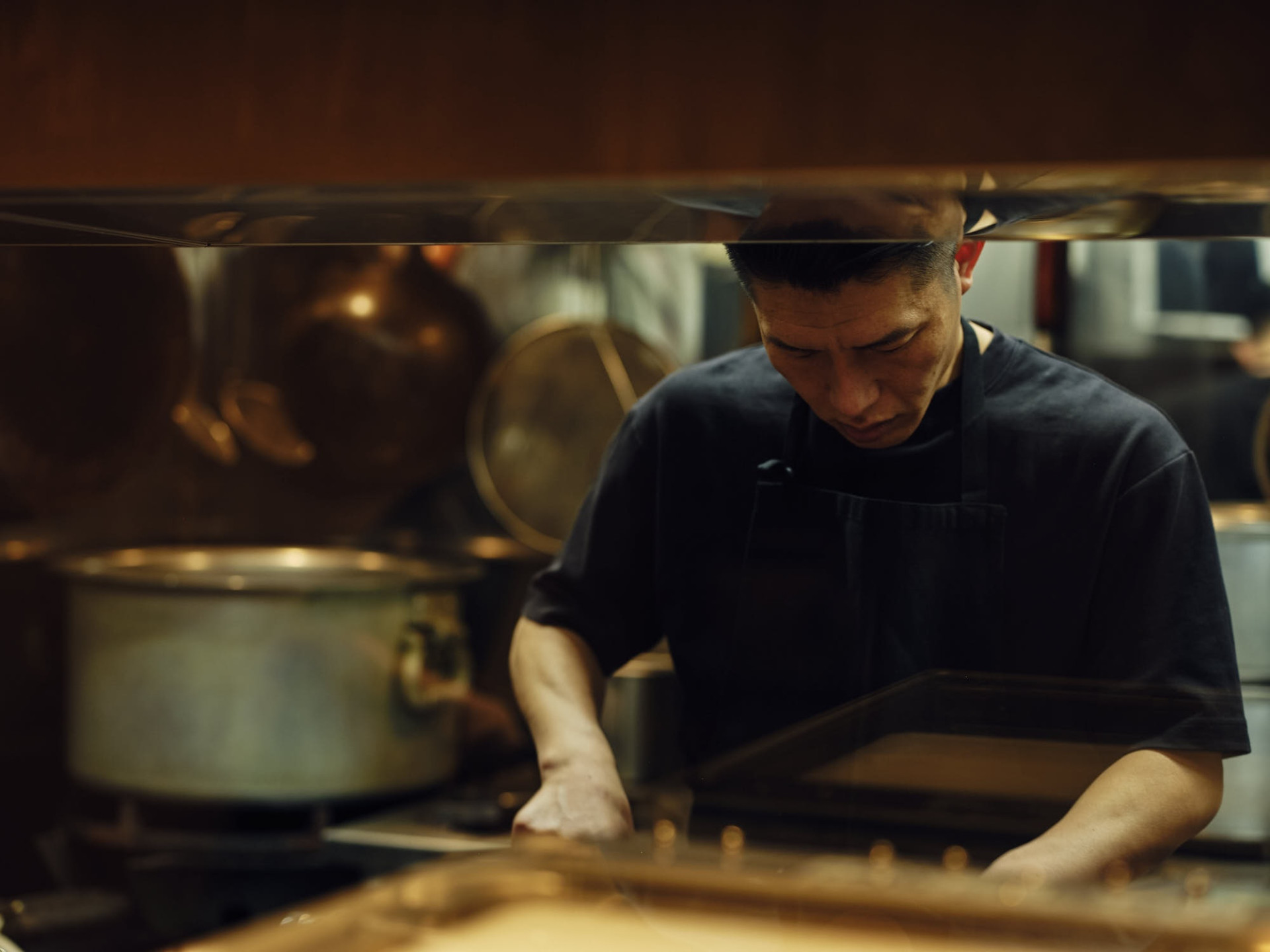
There are easier things to devote a life to than biryani. For Takamasa Osawa, however, one plate in a restaurant in Coimbatore in 2009 was enough to change the direction of his life. A Japanese biofuel scientist with a fascination for chemistry, precision and experimentation, Osawa found in biryani something he had never encountered before: a dish complex enough to spend a lifetime understanding, yet precise enough to suggest that somewhere, somehow, an ultimate version might exist. Today, he cooks just one dish, serves just ten guests at a time, and continues to pursue the same elusive question: how much more delicious can biryani become?
That pursuit of perfection has earned his ten-seat restaurant Biriyani Osawa in Kanda, Tokyo, a Michelin Bib Gourmand in the Michelin Guide Tokyo 2026.
We spoke to Takamasa Osawa about his calling, his inspiration, the art and craft of biryani, the technique behind it, the uniqueness of his creation, his growing popularity, and what the future holds for Biriyani Osawa.
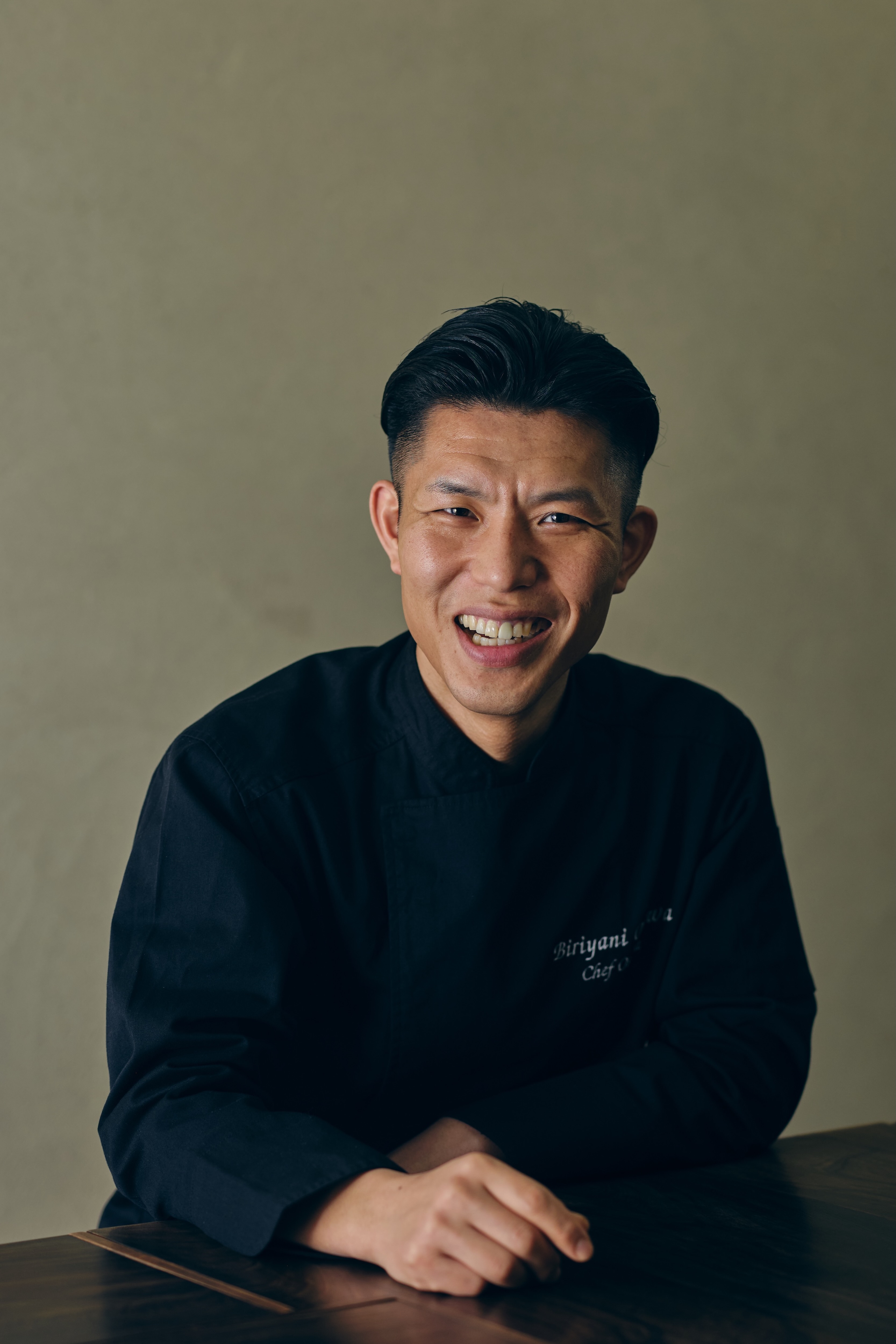
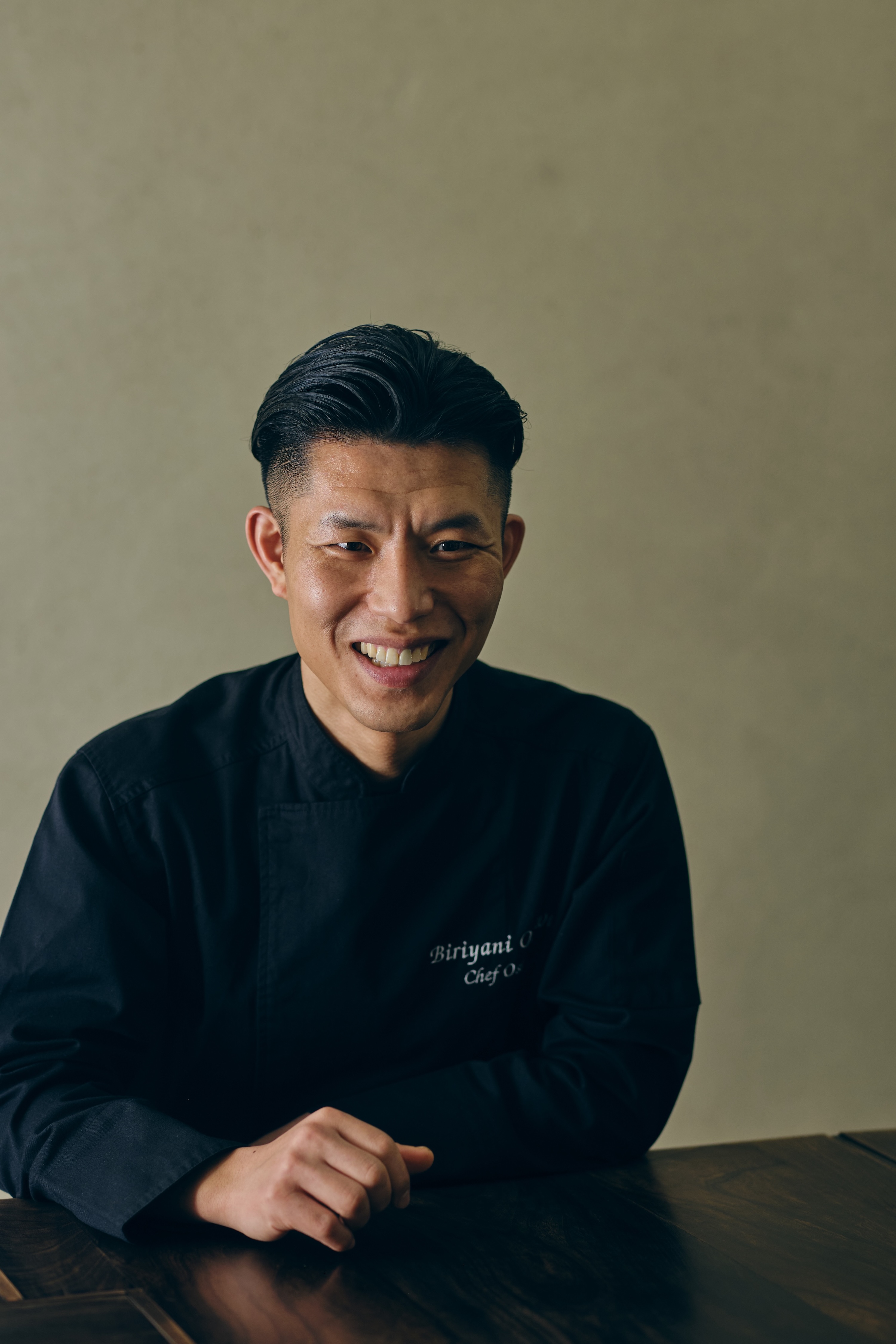
In Conversation with Takamasa Osawa, Founder & Chef, Biriyani Osawa, Kanda, Tokyo
Early calling
Q: Every chef has an origin story. You obviously didn't set out to be a celebrated biryani chef. What was the original trigger?
Takamasa Osawa: I never planned any of this. I was working at a biofuel company, and I simply loved chemistry — measuring, testing, doing it all over again. Then at the end of 2009, on a tourist trip to Tamil Nadu, I walked into a restaurant in Coimbatore and ordered a dish without knowing what it was. It was biryani, and it blew my mind. I ate at least three more that same day. When I came back to Japan, I realised nobody here was taking this dish seriously — and I thought, okay, this is it. This is where all my energy goes. So the trigger wasn't ambition. One plate just rewired my brain. That's the honest truth.
Q: If not the ultimate biryani, what craft would you have chosen to perfect?
Takamasa Osawa: I never even planned to become a chef. What I wanted was something I could pour every bit of my ability and energy into — something with a summit that's real but genuinely hard to reach. A challenge worth a life. Actually, before I met biryani, there was a period when I ate fried rice at every single meal, changing the ratios little by little, experimenting. But fried rice has no correct answer. Its goals are infinite, the solutions just keep diverging — in the end, it all comes down to personal preference. Biryani is different. I believe the ultimate biryani exists. When you chase deliciousness in biryani, the mountain narrows by itself: too much salt is wrong, too little is wrong. Same with oil. More meat or more spice isn't automatically better, but too little fails too. So the answer converges. Of course, I'm dealing with analog matter — no two ingredients share the same atoms, so every ingredient, every recipe, every finished pot is once-in-a-lifetime. Still, I believe that if I keep cooking, eating and learning for decades, I'll keep getting better. And honestly? The real answer is simpler: I just love biryani. I get to call eating biryani everywhere 'research' — I say it's input, but it's basically my hobby, haha — and making it more delicious is literally my job. I'm a very happy man.
Q: Why did biryani become the one dish you chose to dedicate years of your life to? What did you see in it that others didn't?
Takamasa Osawa: I saw a structure. Biryani looks like a simple one-pot dish, but inside, it's an incredible system: the umami of the meat, the sweetness of properly cooked rice, the aroma of the spices — all balanced, and the flavour keeps changing layer by layer. For a chemistry nerd like me, that's an infinite experiment. And rice is the star. As a Japanese person, that hit home. Most people saw a beloved everyday dish. I saw the ultimate rice dish — deep enough to spend a whole life on. I still think I was right.
Q: Was there a single biryani meal that changed your life, or did your fascination quietly build over hundreds of plates?
Takamasa Osawa: Both, really. That first meal in Coimbatore changed my direction in one day — I ordered at least three biryanis that day alone. But the obsession was built plate by plate: Hyderabad, Chennai, Kochi, Lucknow, Delhi, Kolkata, Lahore, Karachi, Dhaka. Every region taught me something different, and every plate raised a new question. The first plate lit the fire. The next few hundred showed me how much fuel it was going to need.
Q: How would you describe your relationship with this one dish that you have mastered?
Takamasa Osawa: Biryani is my teacher, and I'm still the apprentice. I've cooked thousands of pots, and not once have I thought 'I've mastered this.' In Japan, we believe you only become a real craftsman after decades on a single thing — a sushi master trains for decades on sushi alone. By that standard I'm maybe halfway. I'll still be refining this dish on my last working day, and honestly, I'm looking forward to it.
Inspiration and interpretation
Q: Biryani carries centuries of heritage, tradition and migration history, with every region claiming its own definitive version — from the Indian subcontinent to the Middle East and Southeast Asia. How did you navigate those traditions while creating a version that was authentically yours, yet credible to those who know it best?
Takamasa Osawa: By learning before interpreting. I travelled and cooked across Hyderabad, Chennai, Kochi, Lucknow, Delhi, Kolkata, Lahore, Karachi and Dhaka, and I studied each tradition like lab notes — not asking 'which one is correct?', but 'why is this one delicious?' The mechanisms, not the dogma. Then I built my own recipe from the best of everything I learned: a Hyderabadi layered base, Kolkata-style spices, Pakistani-style gravy, a Balochistani method for tenderising the meat. As for credibility — you can't declare that yourself. That's exactly why I keep going back to India to be judged. Indian guests know their biryani. They're strict judges, and that's precisely what I want.
Uniqueness of the craft
Q: Can you describe your version of biryani for our audience?
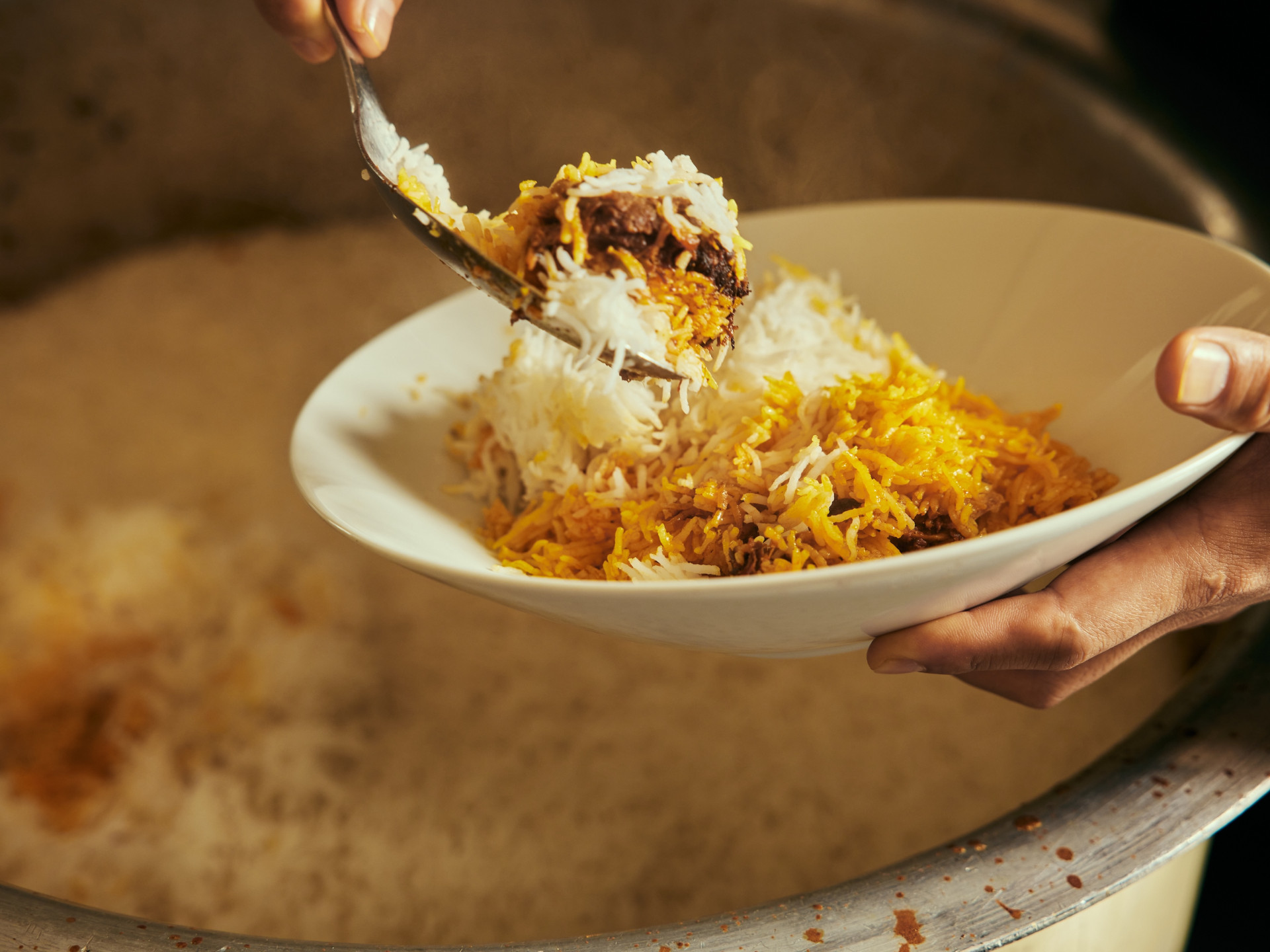
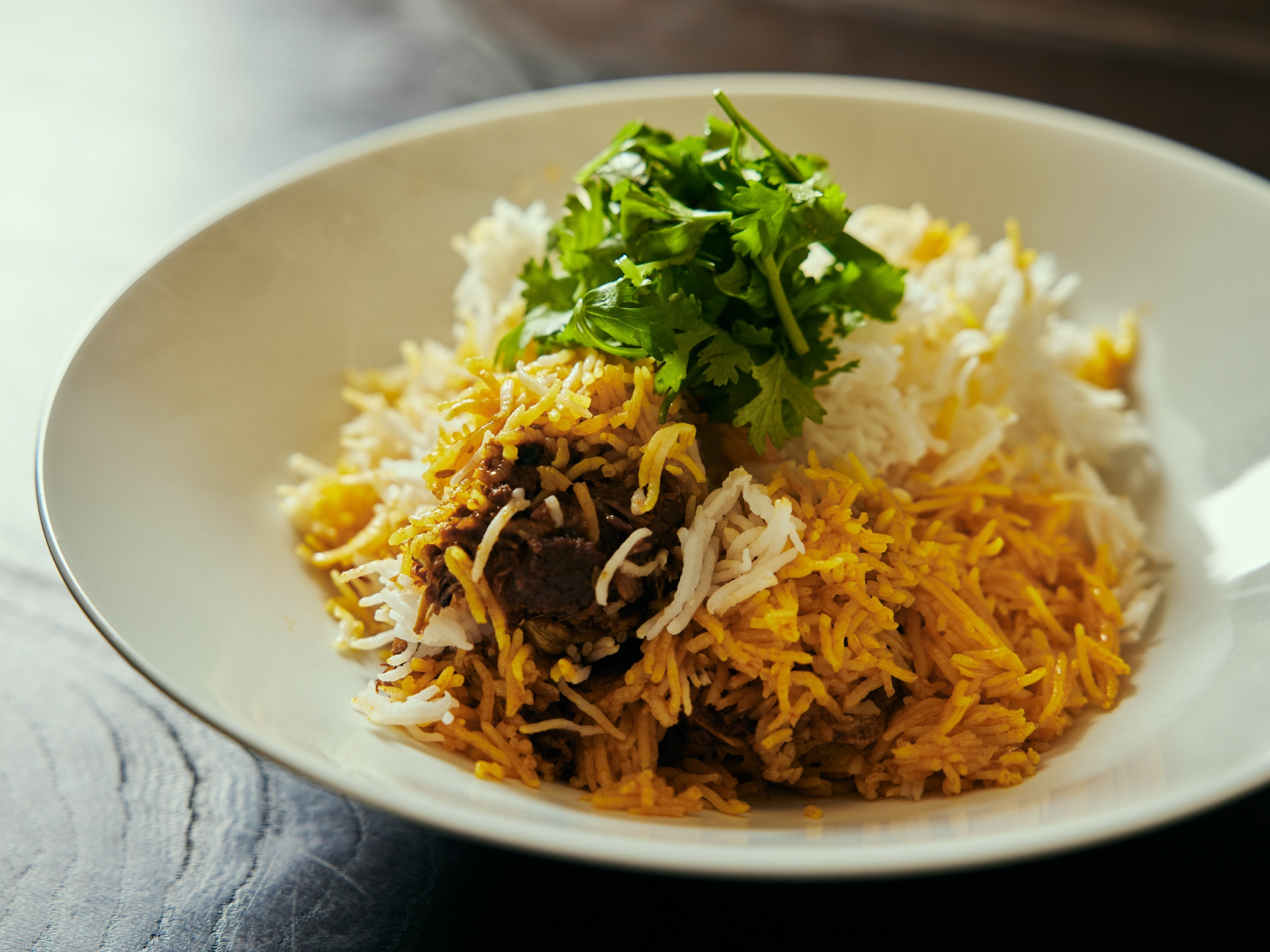
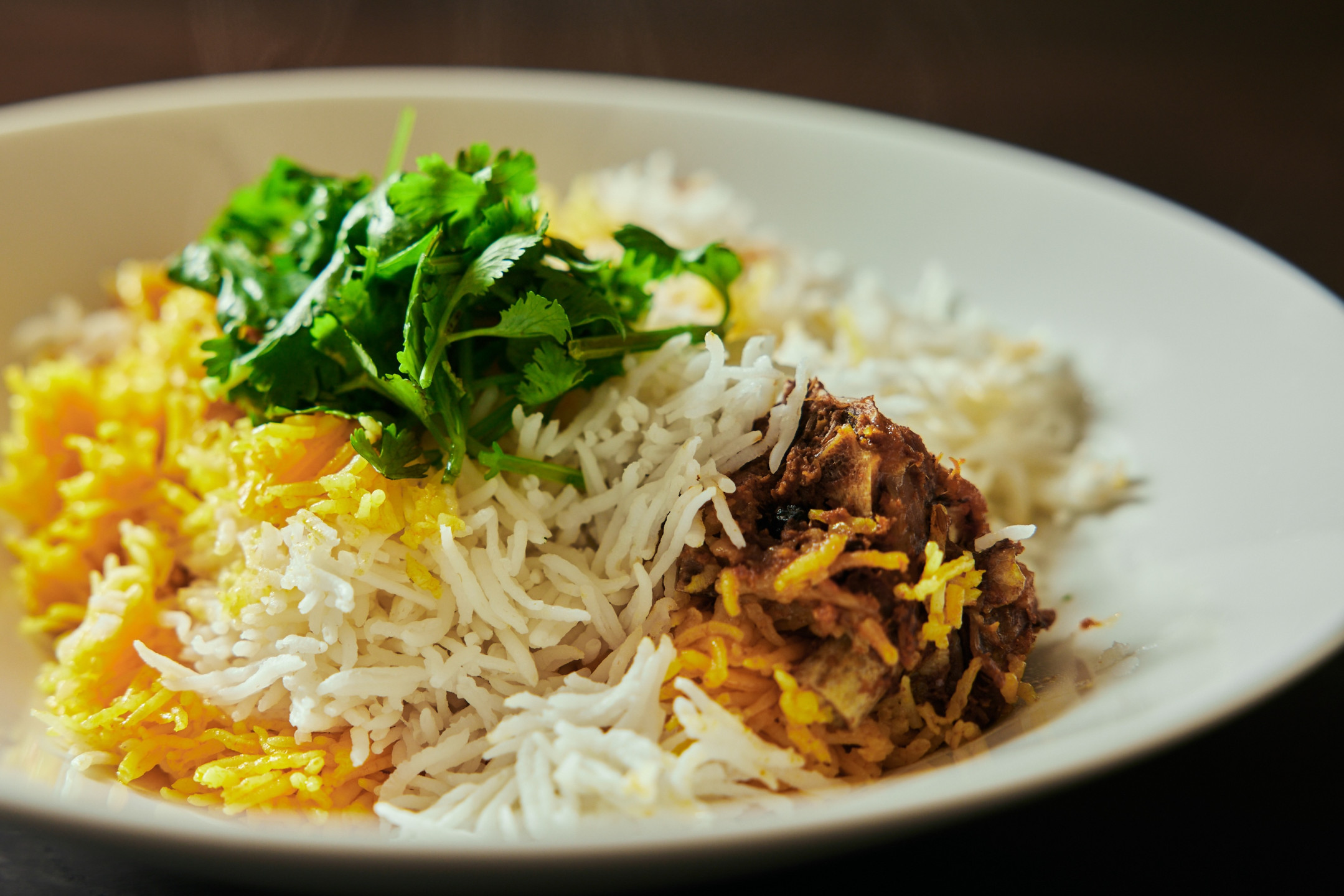
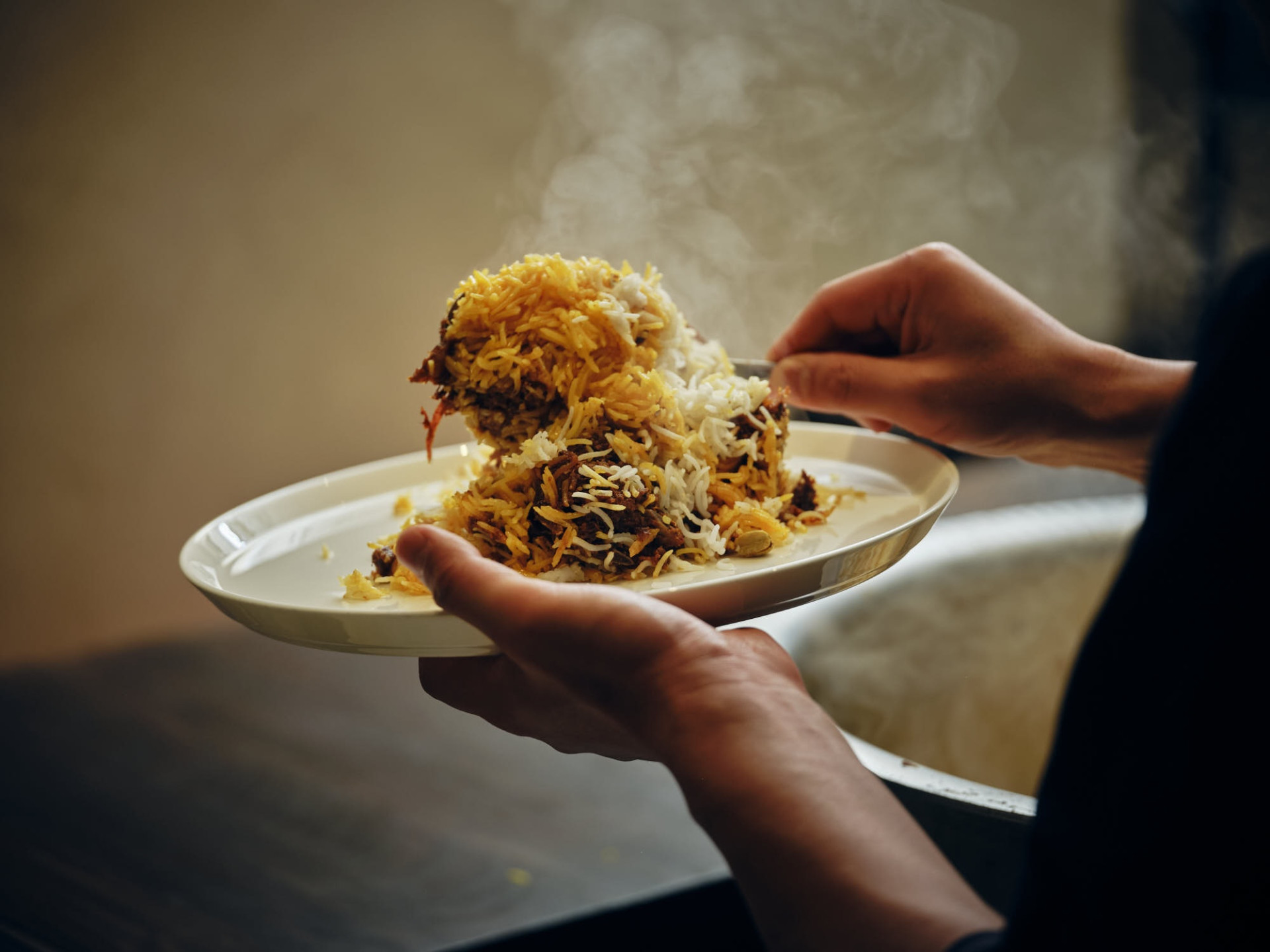
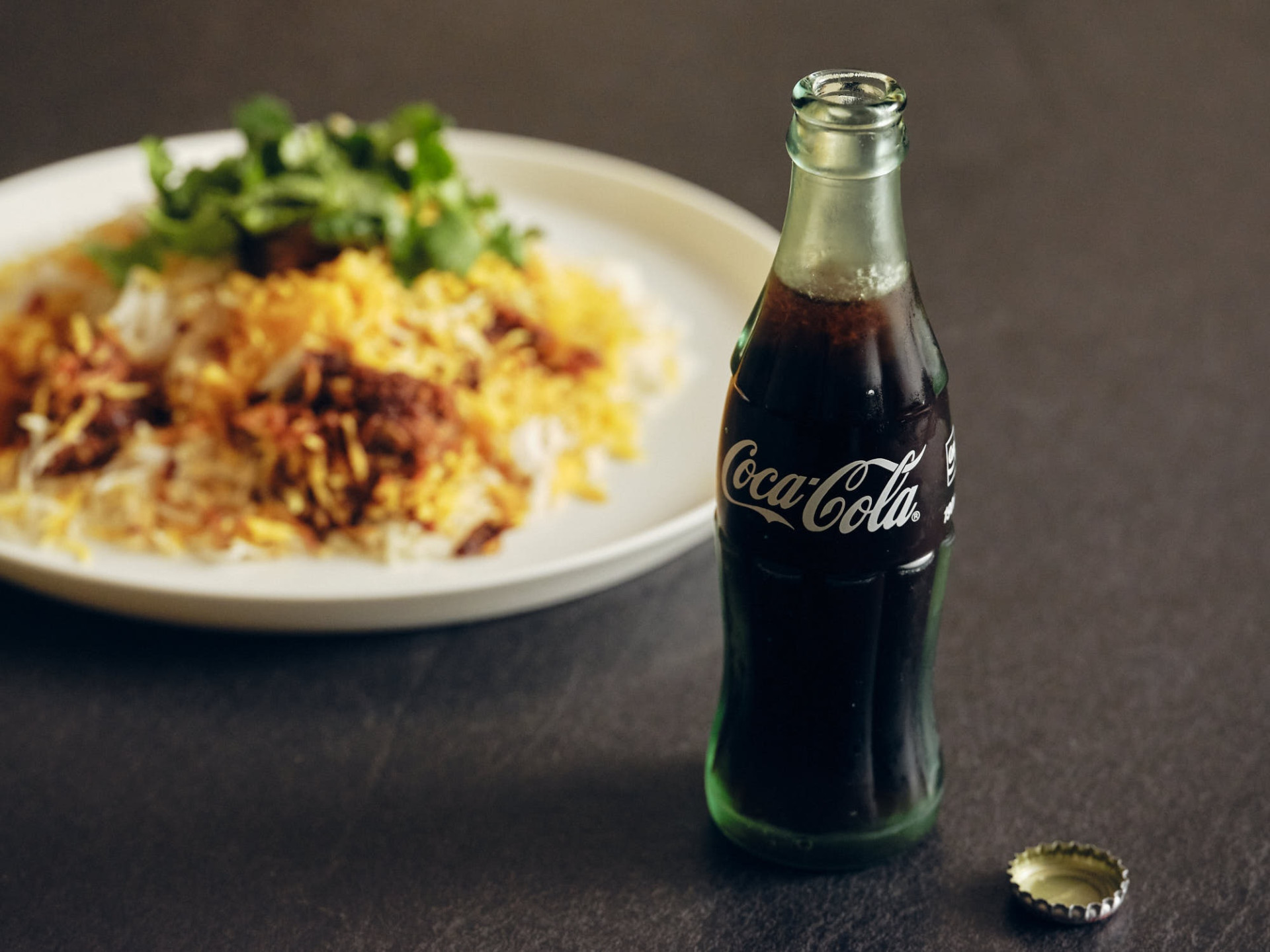
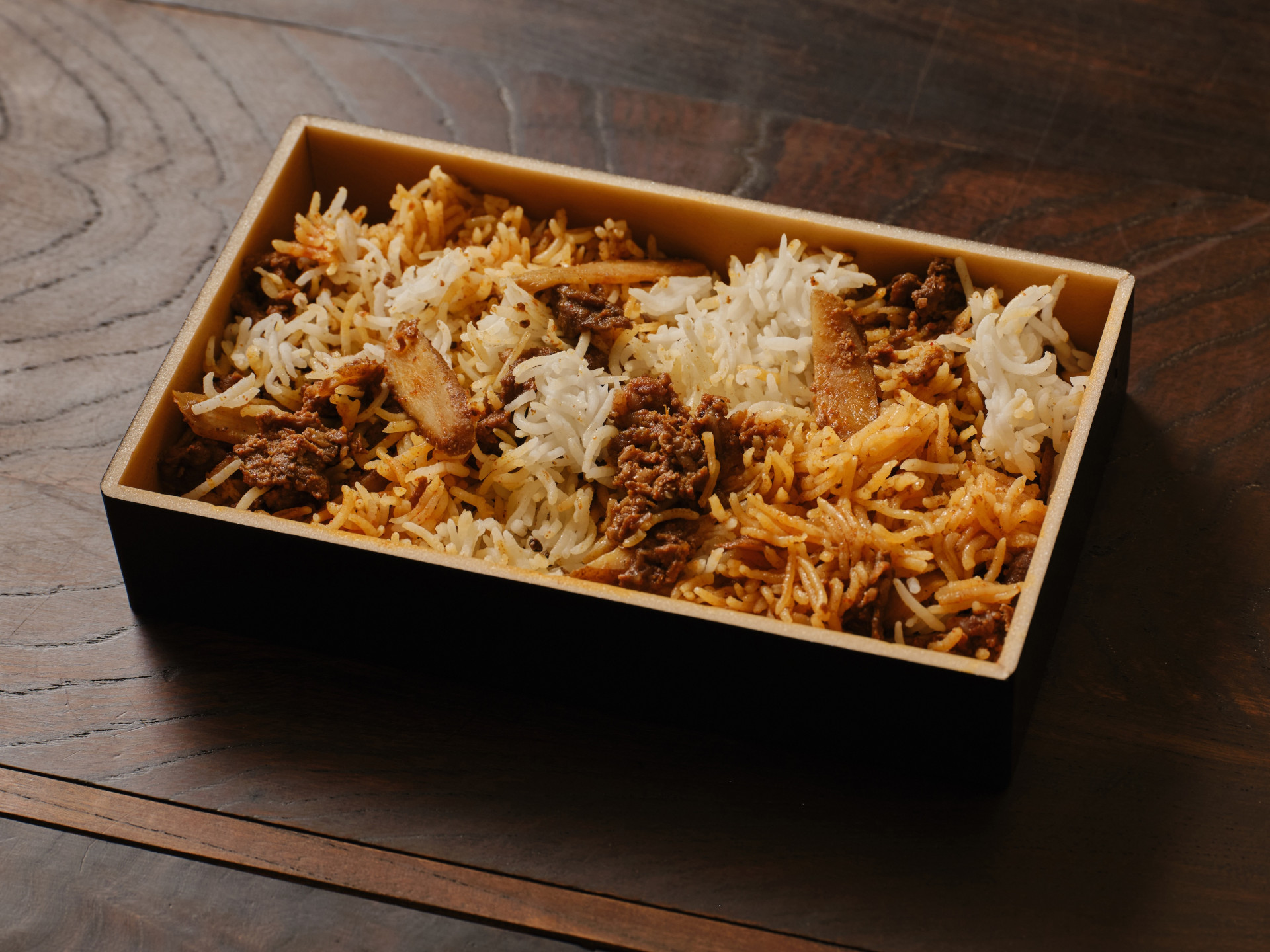
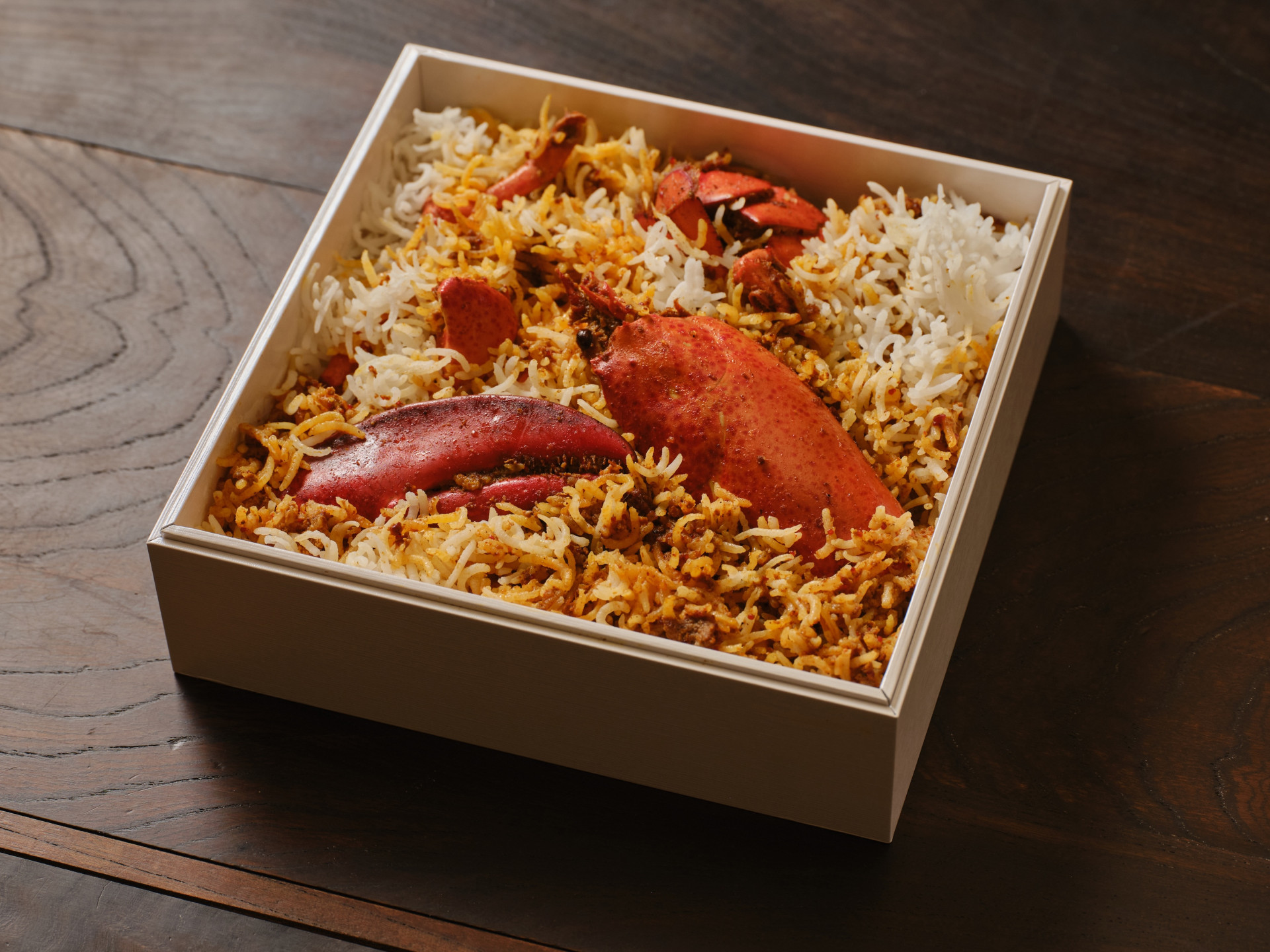
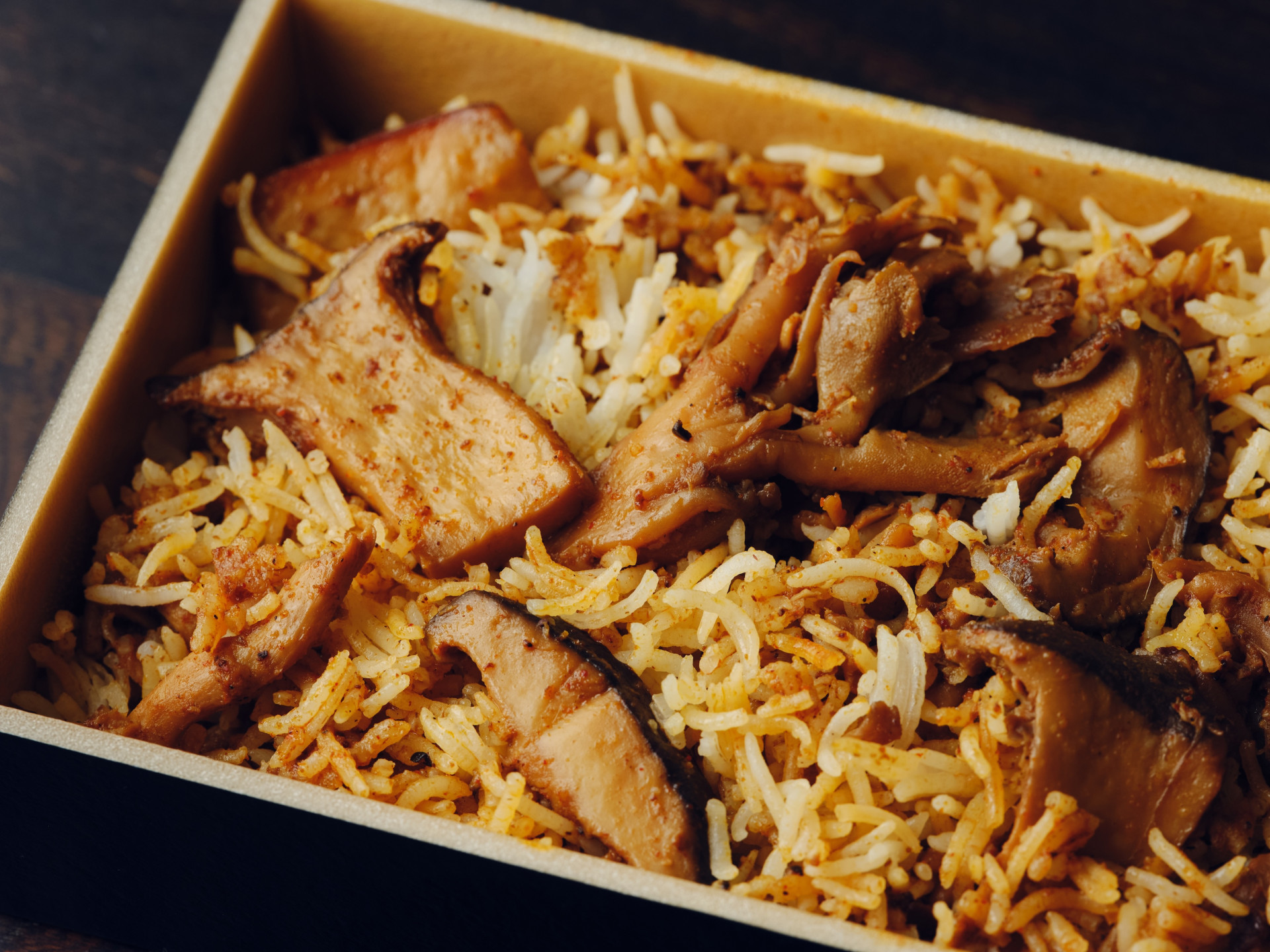
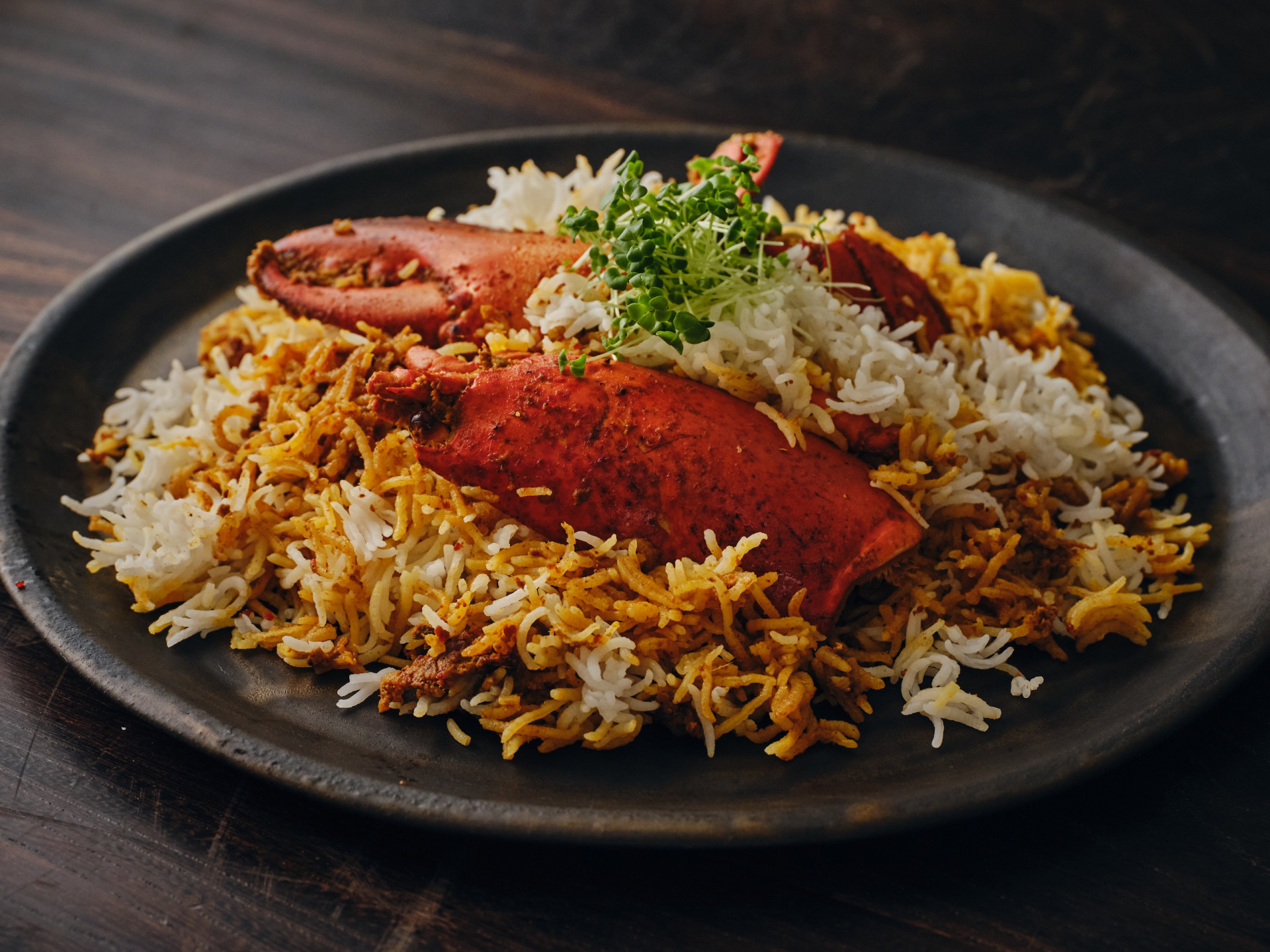
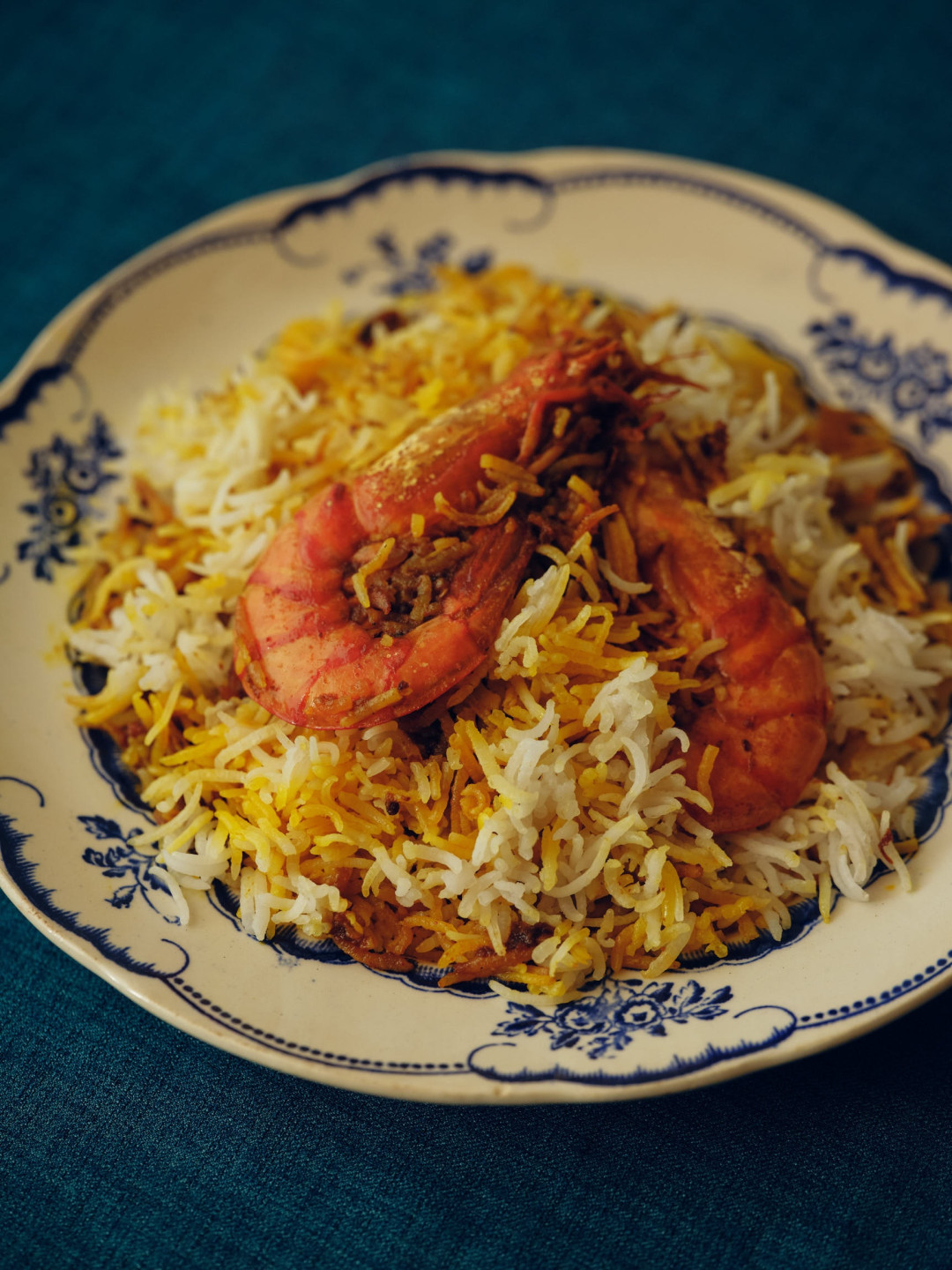
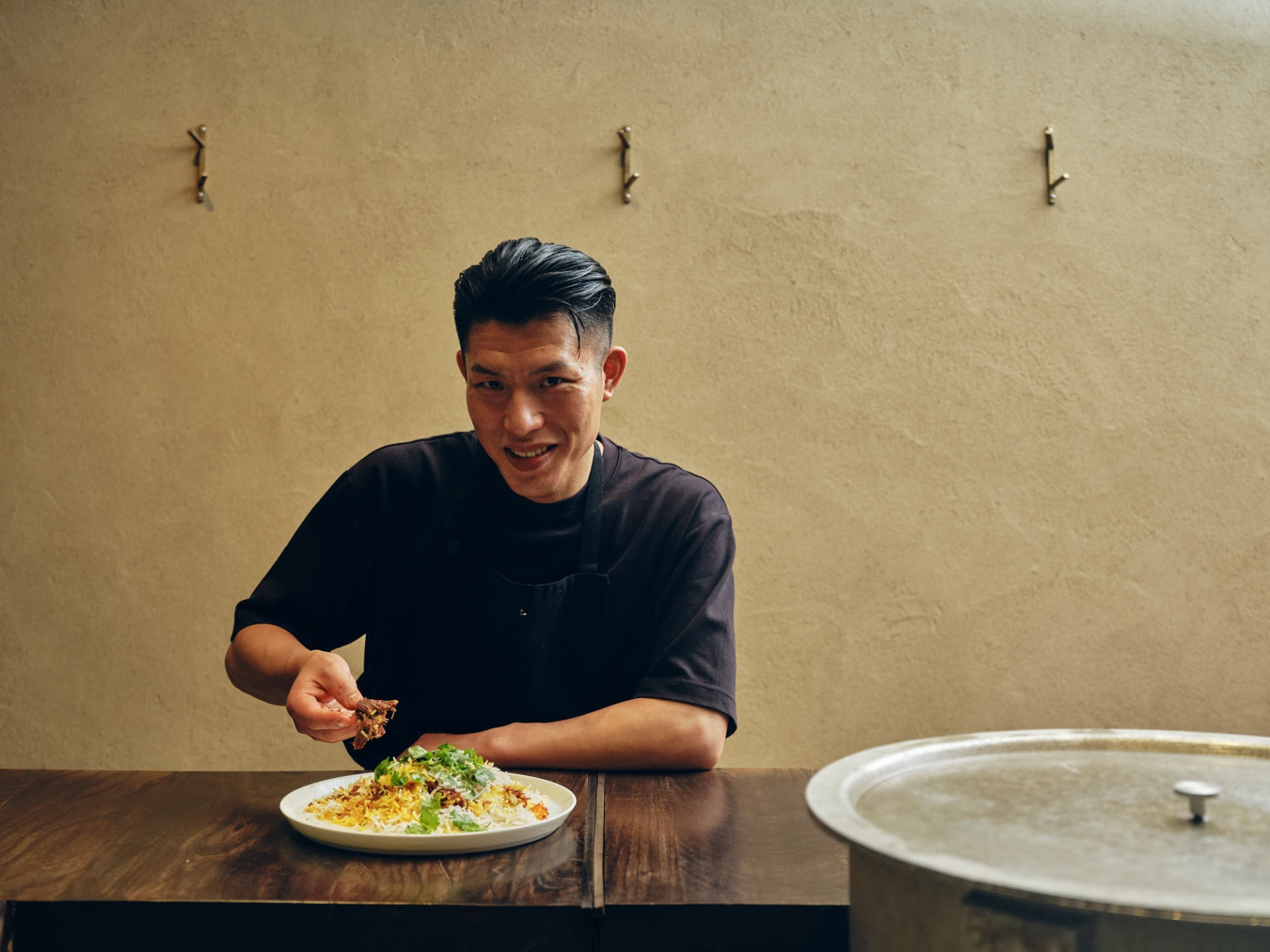
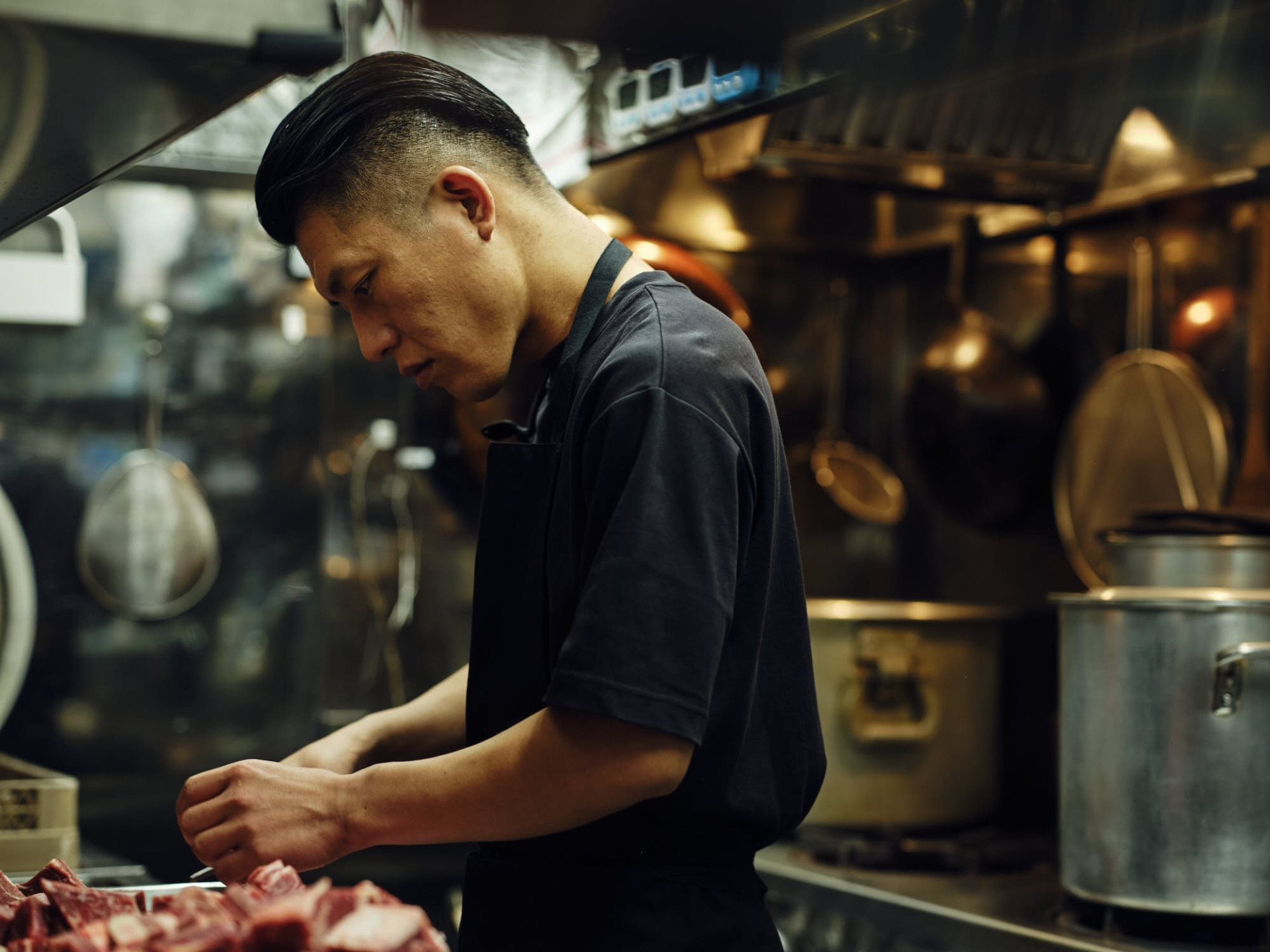
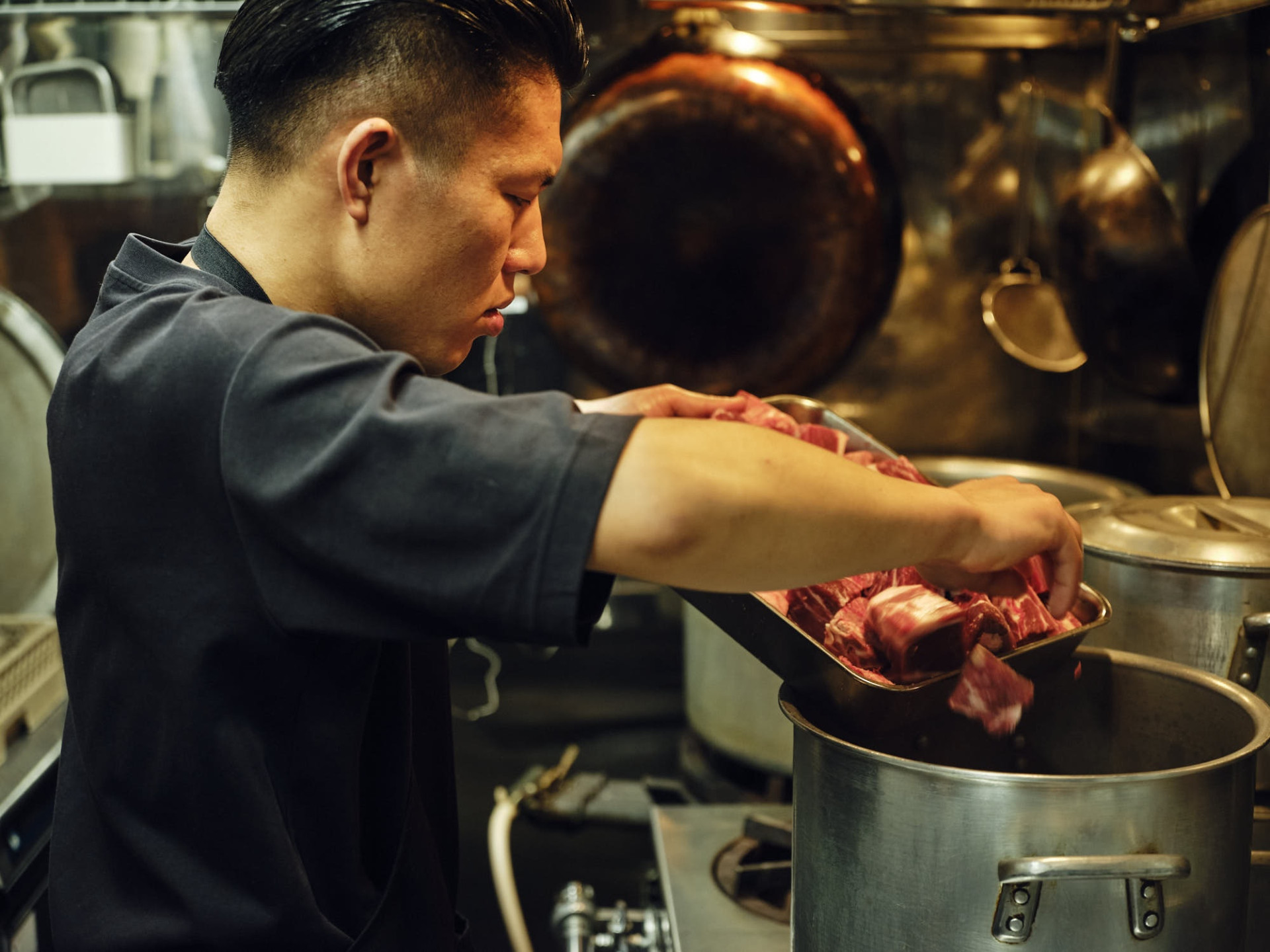
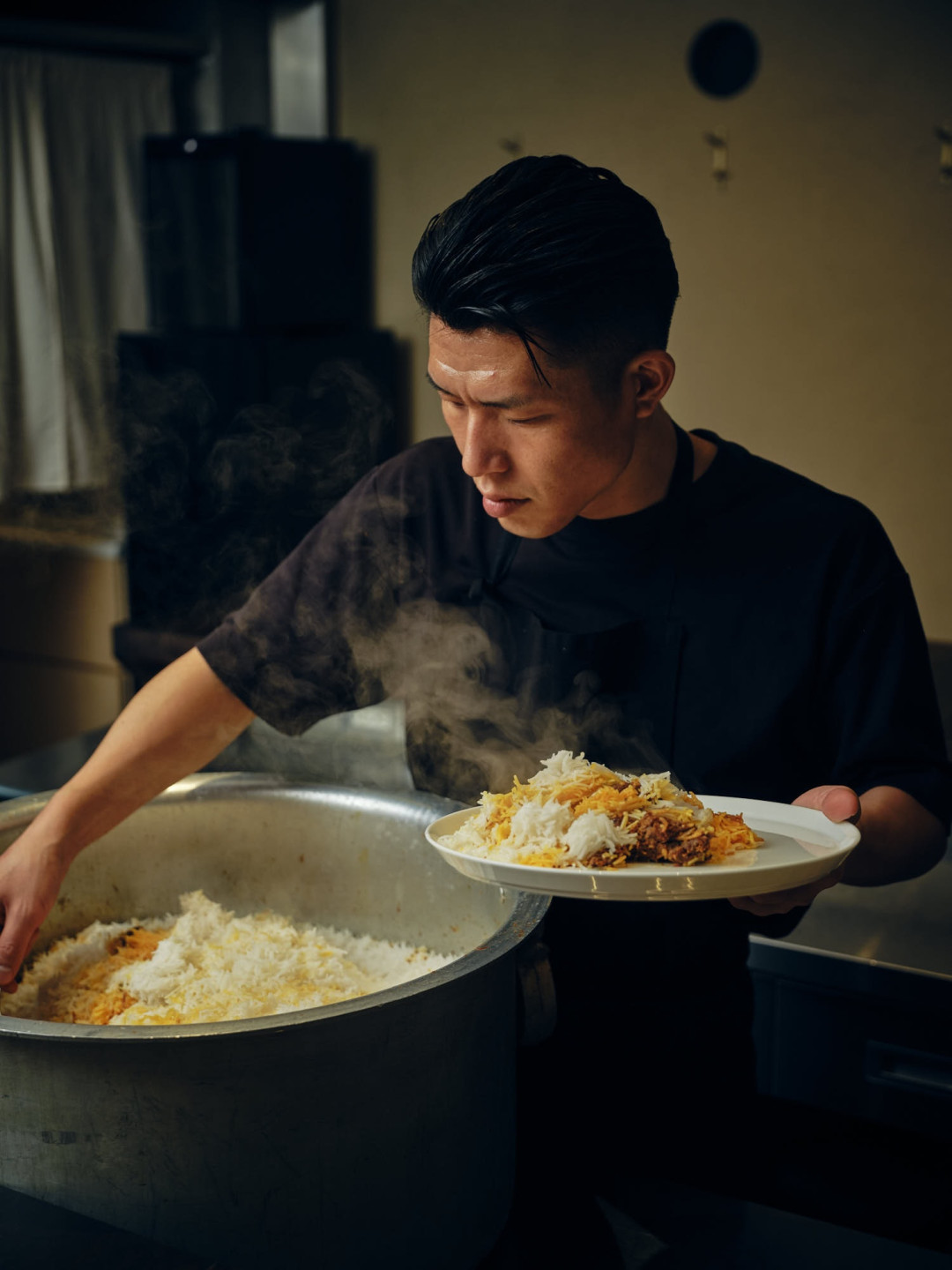
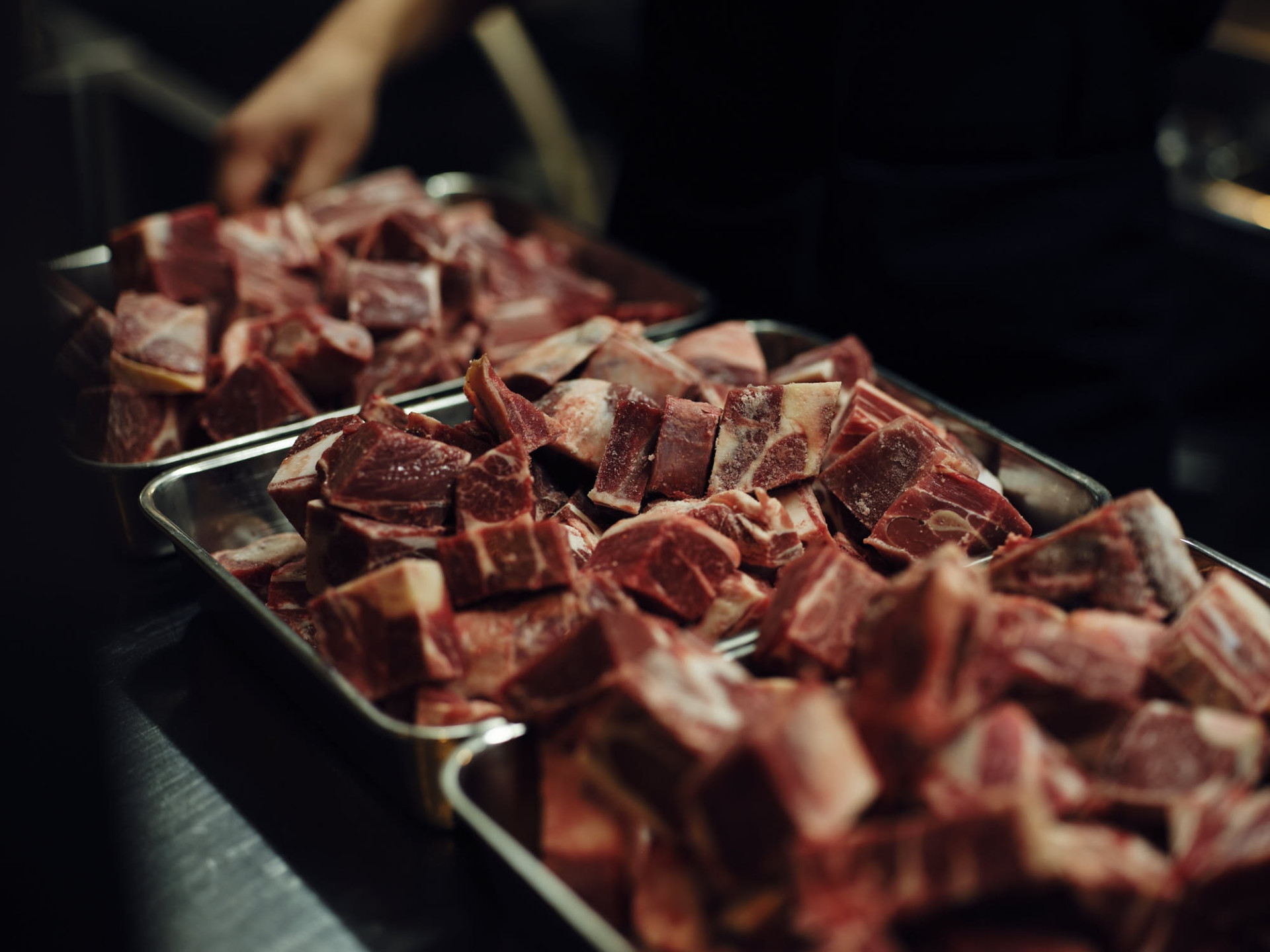
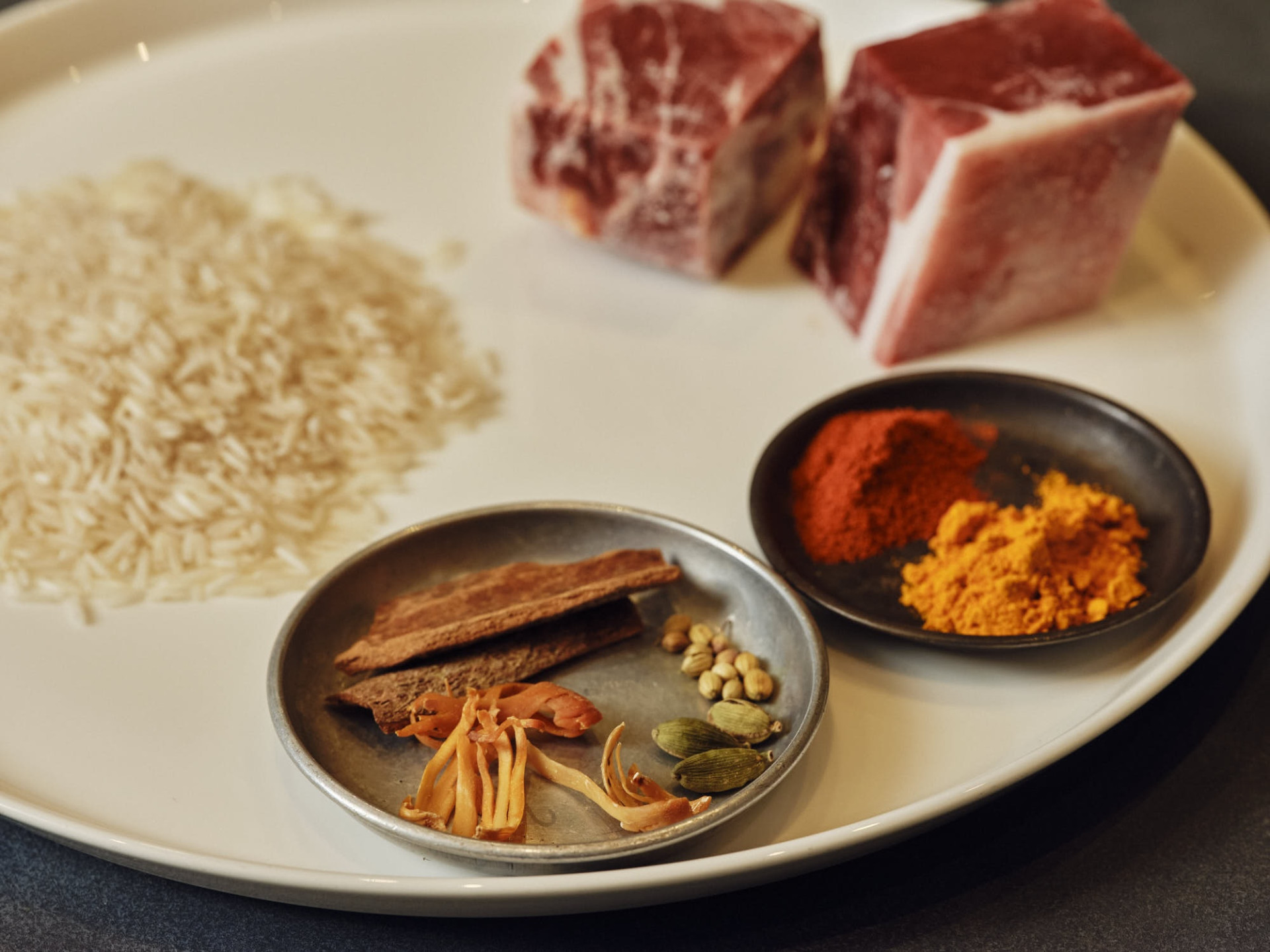
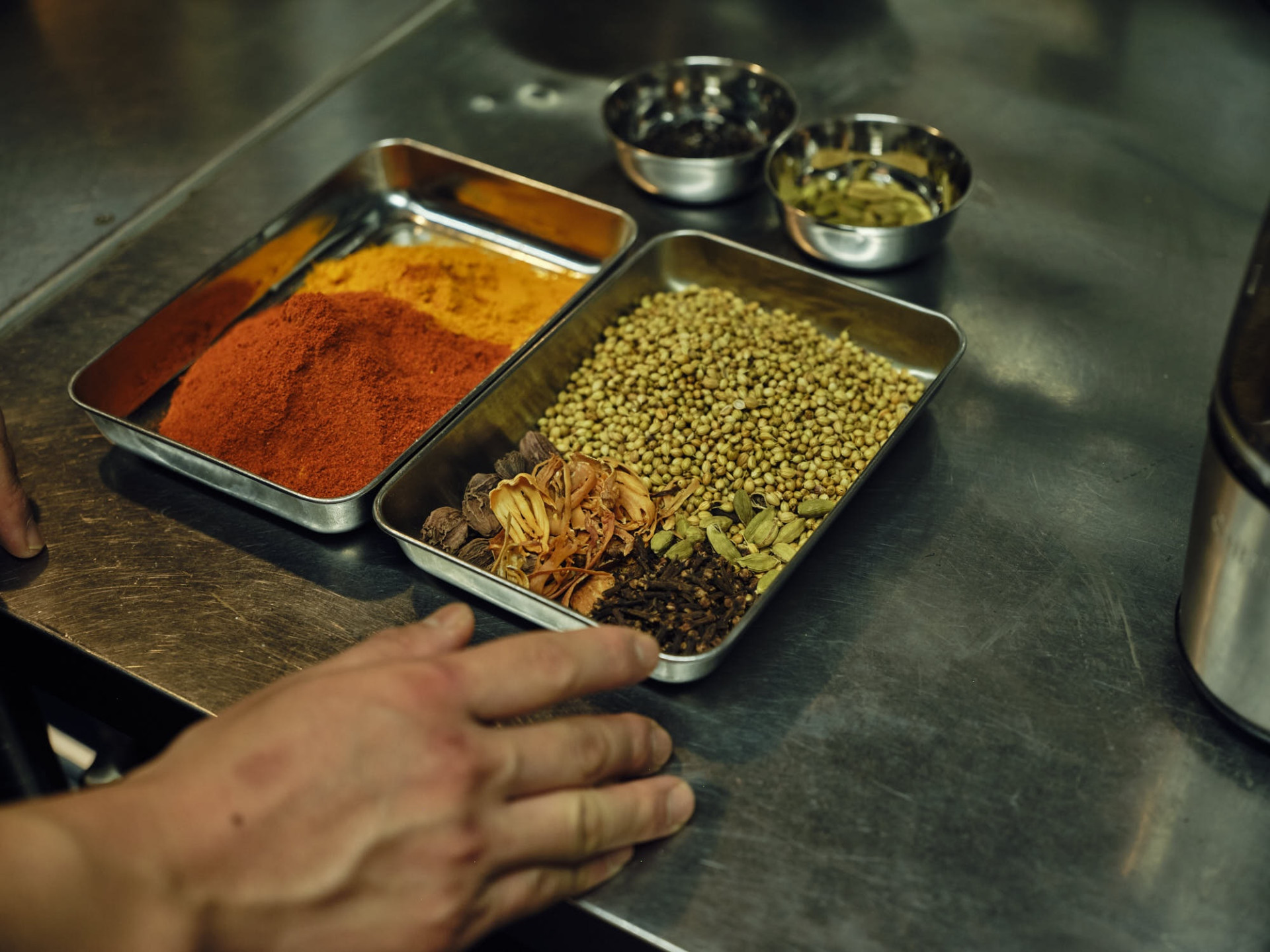
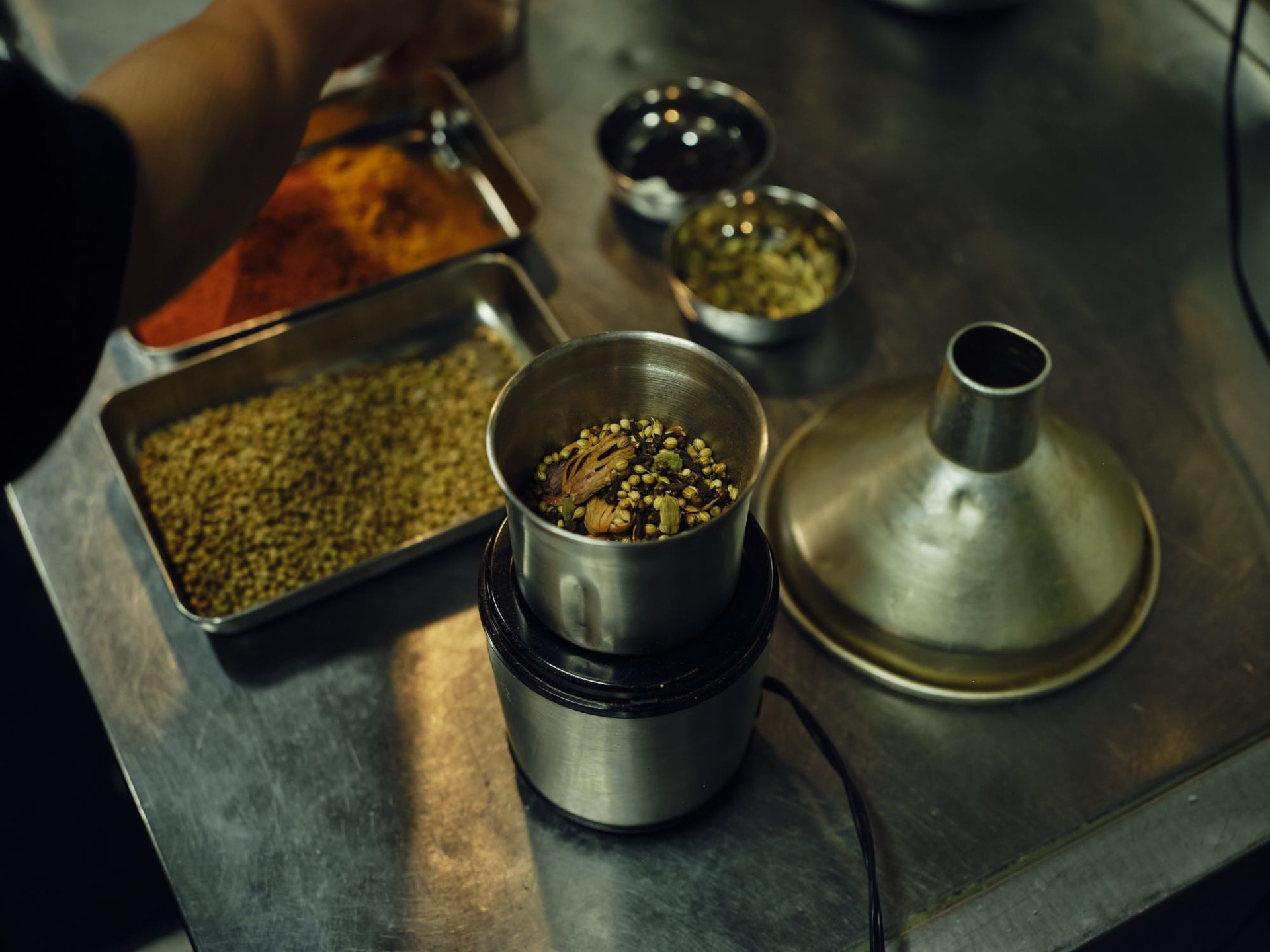
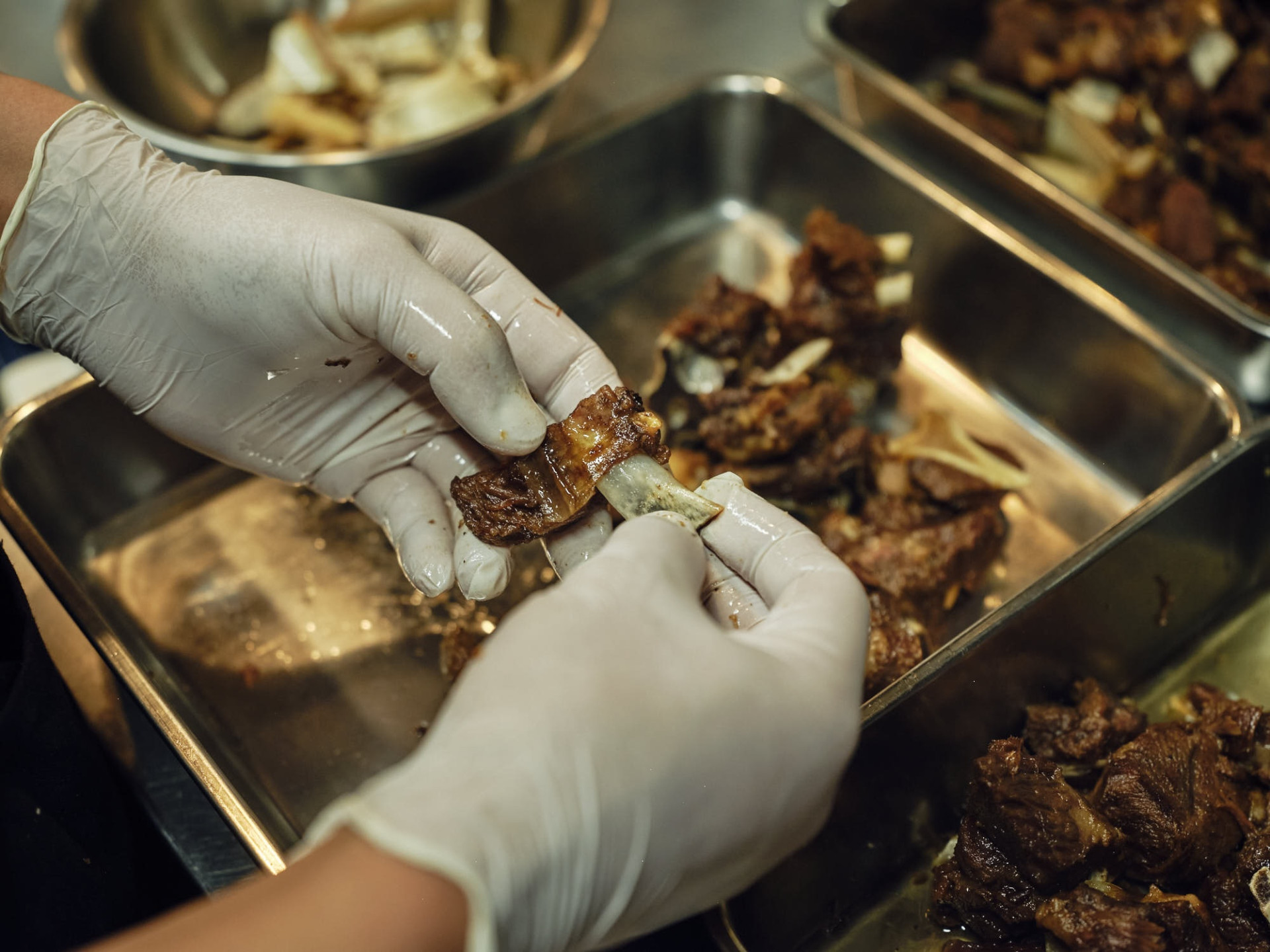
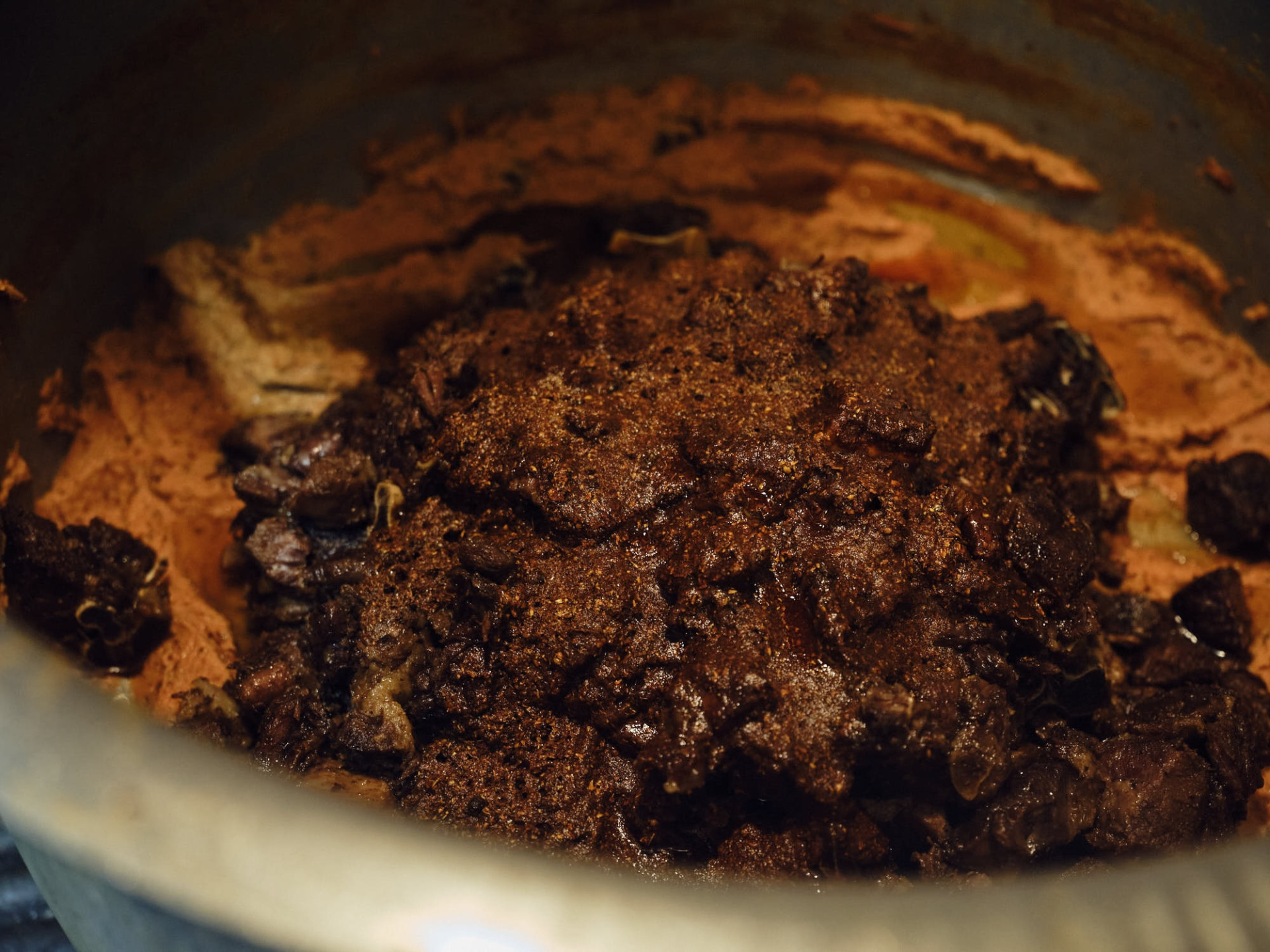
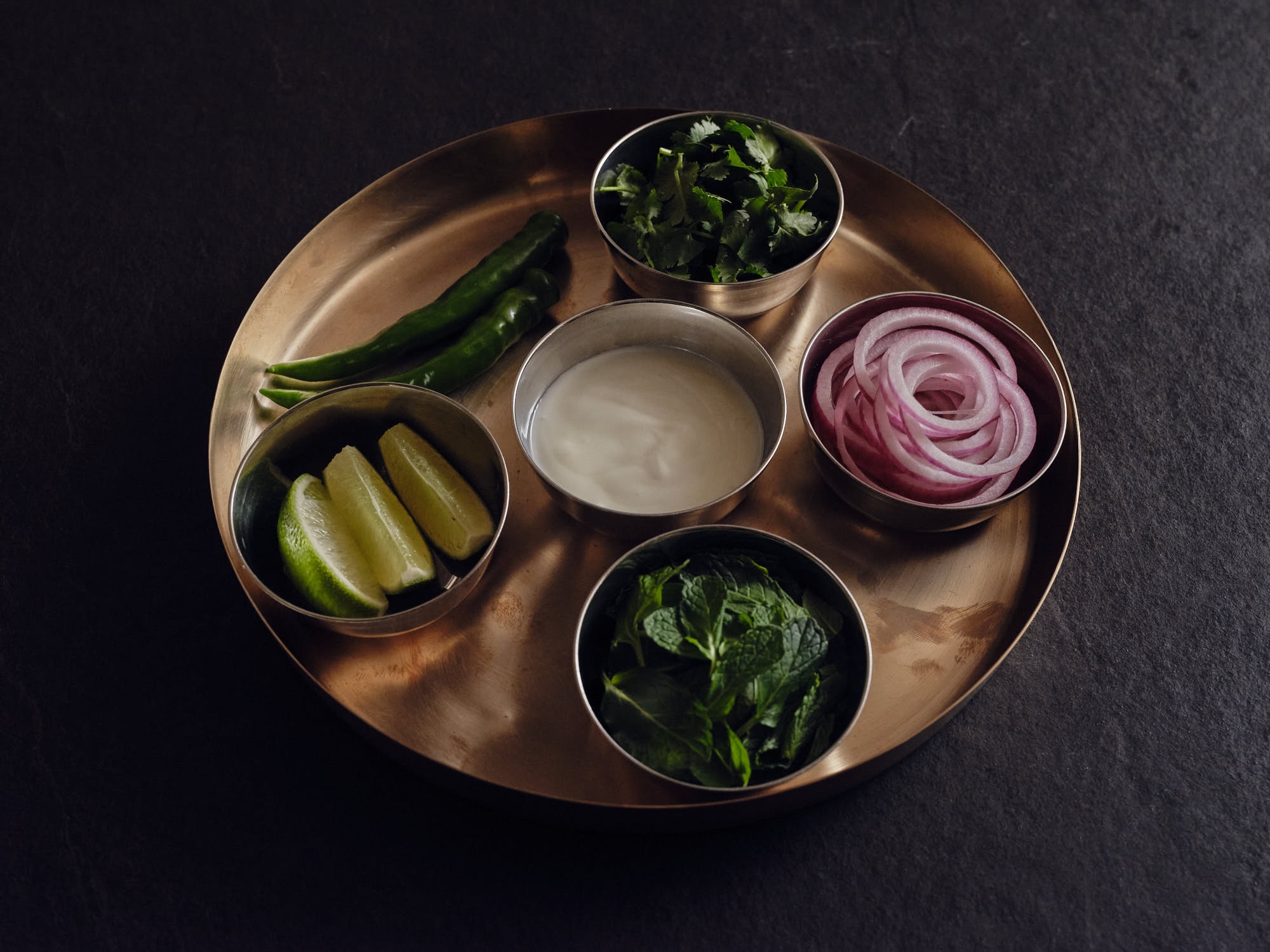
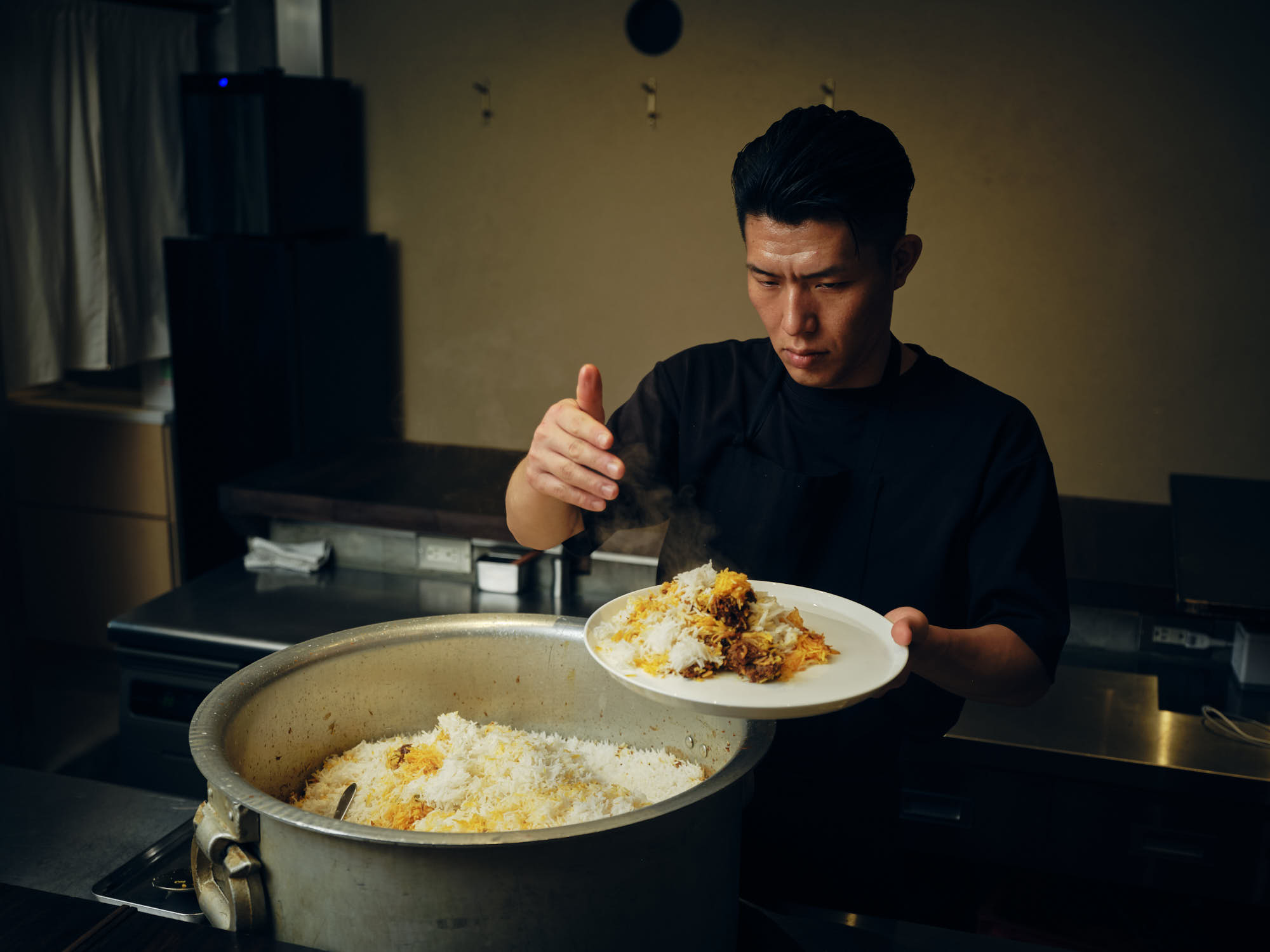
Takamasa Osawa: The base is Hyderabadi: layered, one pot, aroma above everything. For the mutton biryani, I confit bone-in Australian shoulder for two and a half hours in birista oil before it meets coarsely ground masala. For the chicken, a whole Spanish yellow poussin, flash fried in birista oil, finished with mint and amchur. For the lobster, I cut it live, shell on, toss it in a coconut-milk gravy sharpened with mustard oil — then immediately layer the rice on top and cook the whole thing in one go, so the lobster stays just-cooked. Accompaniments are minimal, because in my biryani the rice is the star: every grain separate, flavoured to its centre, sweet on its own. And everything is cooked fresh and served the second it's ready. Aroma is born once. It doesn't wait for anyone.
Q: Which part of the process challenges you the most? Is there one principle where mastery is crucial?
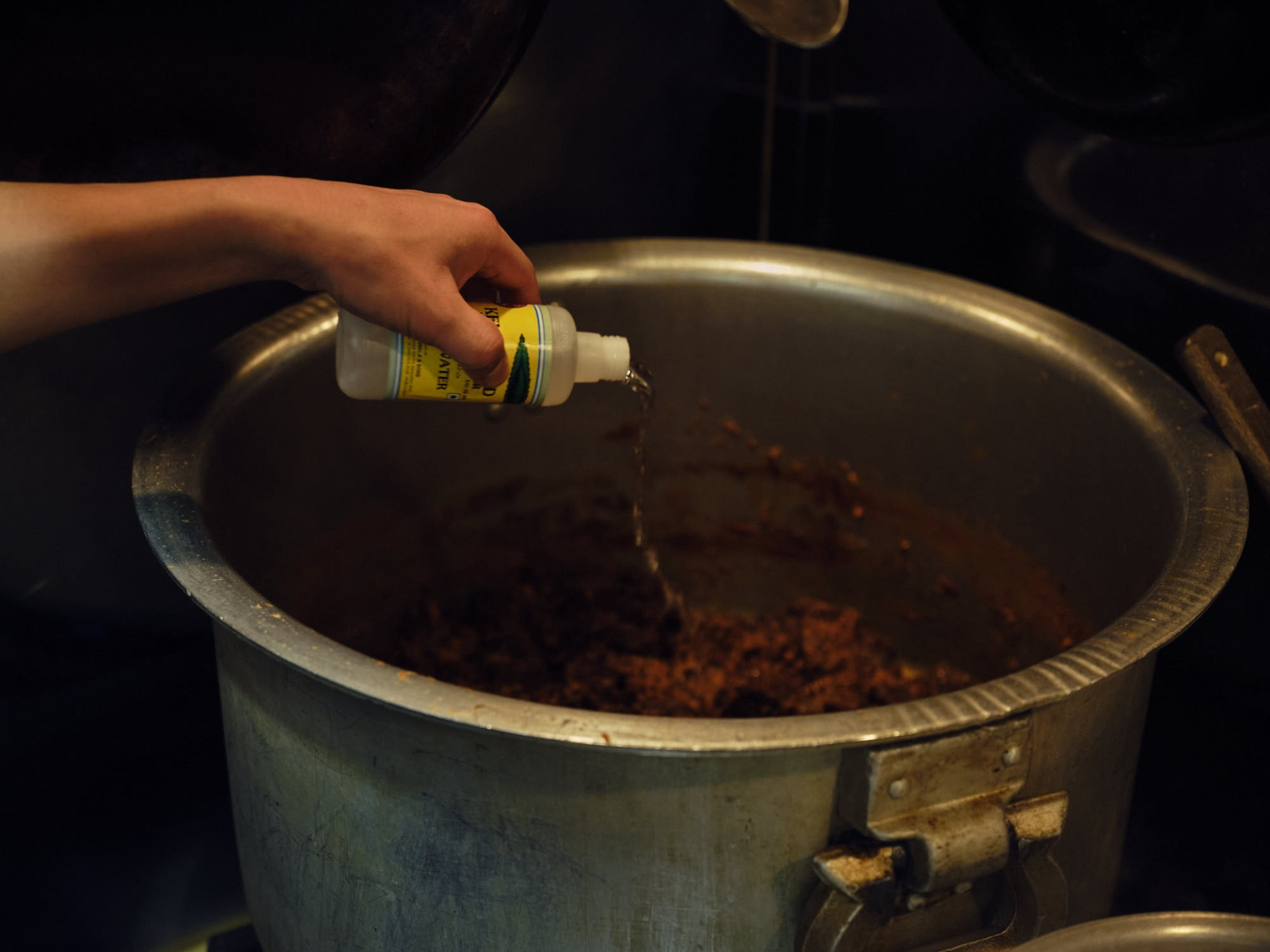
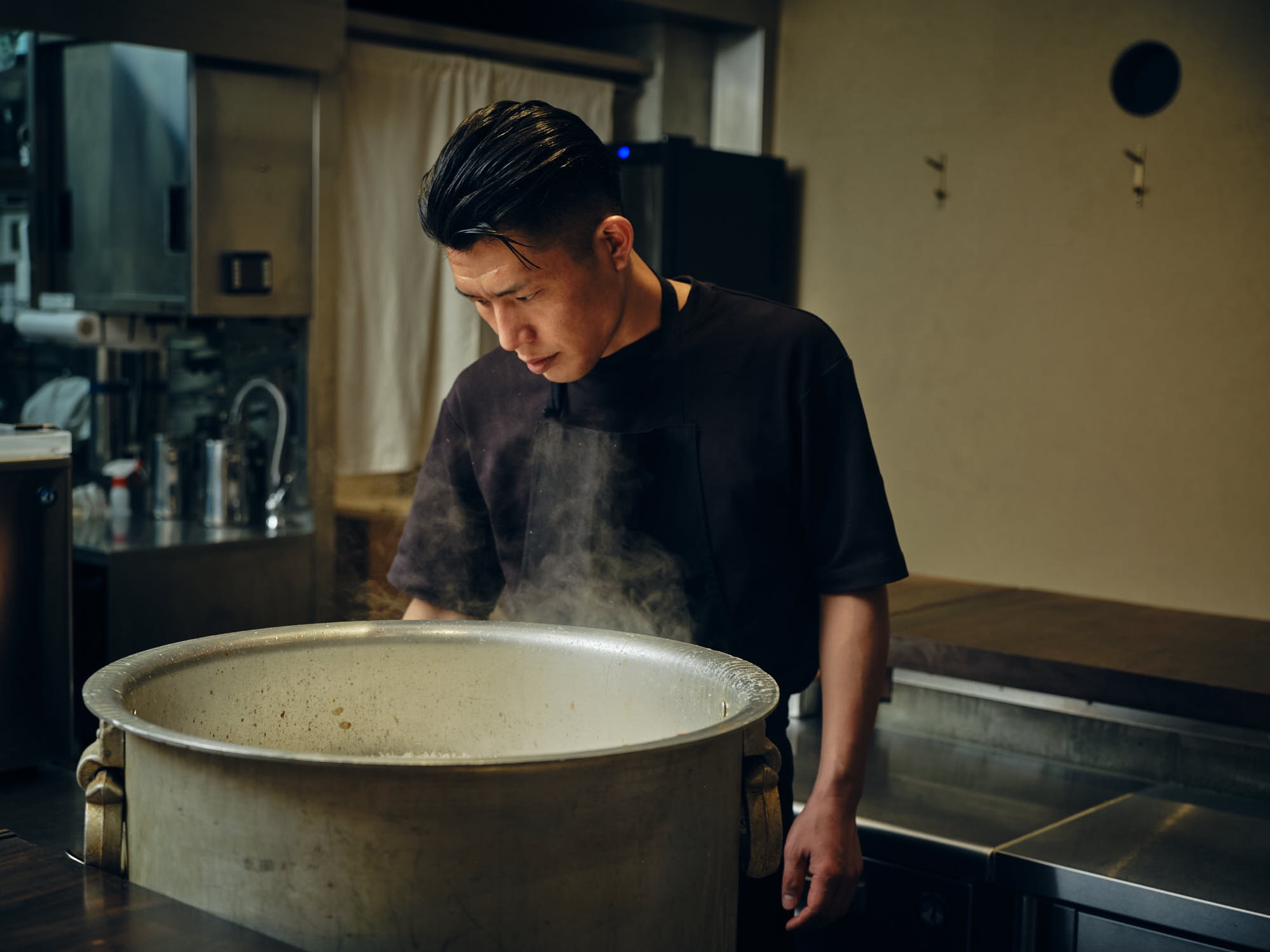
Takamasa Osawa: The rice — and really, time. Aroma is everything in biryani, and aroma starts dying the moment it's born. So every single step is a race against its own perfection. My one principle is freshness: nothing prepped days in advance, gravy on a high flame because high heat creates aroma, and the pot served immediately. The brutal part of biryani isn't the recipe. It's that perfection lasts only a few minutes, and you have to land inside that window every single time. That's what makes it fun, though.
Q: Are you still searching for a better biryani, or content protecting the one you've created?
Takamasa Osawa: Still searching — every single day. Every pot is a hypothesis, every service is an experiment. Each time I cook, I think 'I could have done that better,' and I try it the next day. The more I try, the more delicious it gets. The day I feel content, my biryani stops improving. So contentment is the one ingredient I refuse to use.
Beyond the technique
Q: Japanese cuisine is often associated with precision, restraint and purity, while Indian cuisine celebrates complexity, abundance and layered flavours. Did embracing biryani require you to rethink your understanding of food culture? Or did your Japanese flourish improve the dish?
Takamasa Osawa: Honestly, I found no conflict at all — because precision serves complexity. Indian cuisine's layered flavours aren't chaos; they're highly sophisticated systems. My Japanese habits — measuring, retesting, obsessing over an ingredient's peak — are just tools to realise that complexity at its highest resolution. Where the Japanese restraint shows is around the biryani, not inside it: minimal accompaniments, no curry on top, a quiet dining room where everyone eats in unison. All the abundance is concentrated exactly where it belongs — inside the pot.
Q: Was there ever a moment when you doubted your ability to interpret it? What gave you the confidence to continue?
Takamasa Osawa: Of course I doubted myself — constantly, in the early years. I'm self-taught, and I come from outside the culture. What gave me confidence was the judgment of the strictest judges there are: Indian guests. When they came back again and again, when Indian chefs started inviting me — to Hyderabad, to Mumbai — I understood that respect can be earned through the dish itself. I never claim heritage. I let the biryani do the talking, and I keep putting it in front of the people most qualified to reject it.
Q: Headlines such as 'the Japanese chef who mastered biryani' grab attention in a modern world driven by 'Instagram-first' discoveries. But the headline often misses what sits underneath. What is the personal philosophy that you live by? What do those headlines consistently fail to understand about your relationship with people, culture, and cuisine?
Takamasa Osawa: The headline loves the contrast: a Japanese guy, an Indian dish. My philosophy is simple — deliciousness has no nationality, but it does have owners: the cultures and generations of cooks who built it. So my rule is respect through study first, then freedom through respect. What headlines always miss is the people. At our recent pop-up in Mumbai, guest after guest told us, 'That was SO delicious!' — the response was overwhelming, from vegetarians and non-vegetarians alike. And chefs who could out-cook me ten times over in their own traditions treated me as a fellow craftsman. Being invited back by biryani's homeland, again and again — that's the real story underneath, and honestly, that's my real reward.
.jpg)
The story behind the journey
Q: Across the old city bazaars and narrow lanes of Asia and the Middle East, some of the greatest biryanis come from small kitchens that have perfected a single recipe over generations, often selling out before lunch or dinner. Their food stories travel, but their personal stories rarely do. Yours is an intriguing, marketable story. Theirs often isn’t. Do you think Biriyani Osawa's popularity could be attributed to the intriguing contrast between who you are and the food you have chosen?
Takamasa Osawa: Honestly? Yes, the contrast opens the door. But contrast brings a guest once. Only the biryani brings them back a tenth time — and my ten-seat restaurant runs entirely on returning guests. I also feel a real responsibility toward those small kitchens you mention, because I learned from exactly those places: incredible recipes, untold stories. If my story attracts light, I want to redirect some of it to where biryani actually comes from. That's why I keep saying, in every interview: the real masters are there, in those lanes. I'm just the student who happened to be born far away.
Q: If your biryani were served anonymously alongside ten of the finest versions, what would you hope diners recognised as unmistakably yours?
Takamasa Osawa: The aroma when the lid opens — and then the rice. Every grain separate but unified, cooked to its exact peak, flavoured to the centre, sweet on its own. If someone tastes it blind and thinks, 'in this one, the rice is the star' — that one's mine.
Q: Has there been any criticism or disagreement that has stayed with you, or influenced your thinking and craft?
Takamasa Osawa: Two, from completely opposite directions. In Japan, the constant question was: 'Where's the curry?' Biryani here is still misunderstood as rice you pour curry over. That criticism gave me my mission as a missionary of biryani in Japan. From purists, it was: 'This is not authentic.' I take that one seriously — seriously enough that it forced me to define my own answer.
If a dish is truly delicious, then it is authentic. Tradition is the record of past deliciousness, not a fence around future deliciousness. That definition is now the backbone of everything I cook.
Q: Excluding your own, which three biryanis have left the deepest impression on you?
Takamasa Osawa: You asked for three, but I have to give you four — forgive me. First: I met my very first biryani at the very end of 2009, and just days later — the year had turned to 2010 by then — at Jolarpettai Junction, I told a rickshaw-wala, 'Take me to your favourite biryani place! Biryani, biryani, biryani!' He drove me to a roadside shack on the highway to some town — I never knew which. I sat at a wobbly wooden table, a muddy banana leaf was placed in front of me, I copied my neighbours and rinsed the mud off with water, and then came a short grain mutton biryani. I had already realised biryani was my favourite food in the world — but that plate hit me like lightning. It was a wet, sloppy biryani, and my mouth still waters remembering it. Second: in 2011, on my biryani exploration tour across South Asia, a degi kacchi biryani at a workers' canteen in front of Lahore Junction station. There were thin slices of lemon inside — that acidity and faint bitterness cut right through the fat. That plate taught me how essential acidity is in biryani. Third: last year in Hyderabad, a safed biryani (white biryani) cooked by a home-chef grandmother. No powdered spices at all. Just ginger-garlic paste, mint, coriander, green chilli, birista and the deep flavour of a rich mutton yakhni. And it was more delicious than any complex-spiced biryani I've ever had. It was a paradigm shift for me: ultimate balance beats everything — more than what you add, more than how many ingredients. I had always believed powdered spices were essential to a great biryani. Apparently not. And fourth — knowing well that I'm stepping into India's ferocious online biryani wars — the mutton biryani at Arsalan in Kolkata, 2012. The rice was impossibly fluffy, the aroma was stunning, the potato was unbelievably good, the mutton fell apart. I was genuinely moved. That rice is my origin point. Every day, I cook aiming at that rice.
Indian cuisine at the global table
Q: Beyond biryani, which Indian dish do you believe deserves far greater global recognition?
Takamasa Osawa: All of them — and let me explain why I say that. There's still an unconscious assumption sitting in people's heads all over the world: that Asian food is 'lower' cuisine, and that fine dining means European food, French food. Because of that, Indian cuisine's position in fine dining is still far too low. And outside India, Indian food is enjoyed essentially as a cuisine of sauces. But the way I see it, Indian food is a cuisine where aroma is the star. Honestly, take away the spices and the structure of the flavour is close to Italian. The big difference from European cooking — which is built around wine — is that Indian food is intensely aromatic before you even take a bite. My guess is that European cuisine actually avoids strong aromas, because they'd interfere with the wine. If Indian cuisine were a band, the vocalist is aroma. And think about what makes any food or drink feel special and luxurious: it's superior aroma. The smoke rising off charcoal-grilled kebabs, ghee blooming in a hot pan, the perfume of aged basmati the moment the handi opens — and in drinks, wine and whisky, which people literally judge by nosing. There's a reason for this: neuroscience tells us taste fades from memory quickly, but aroma burns in deep and stays. So Indian cuisine's extraordinary richness of aroma deserves far more recognition than it gets. Not the spiciness, not the creaminess, not the richness of the sauces — the aroma. That's what I want to keep telling the world about.
Taste, perception & culture
Q: You've spoken about a distinction between what is delicious and what people are accustomed to finding delicious. How much of what we consider delicious is actually shaped by culture, familiarity and what we've grown up with?
Takamasa Osawa: A person's judgement of taste is influenced by a complex interplay of motivation — the desire for novelty versus familiarity — orientation, context, whether that is trends, tradition, health or ethics, and economic power. Furthermore, one's level of 'taste literacy' — the idea that true enjoyment often requires repeated exposure — and deep-seated cultural preconceptions play a decisive role. For example, while oiliness is often viewed negatively in Japan, it is perceived as a source of richness and flavour in Indonesia. Because these cultural preconceptions can take generations to change, food can only become a habitual staple once these barriers have been overcome.
When global becomes local
Q: Authentic global cuisine is often more expensive, while localised versions are more accessible. How can authentic global cuisine, like, say, sushi or biryani, which are mass staples in their countries of origin, avoid being elitist and a luxury to consume once it reaches foreign shores?
Takamasa Osawa: Regarding pricing and localisation, authentic foreign cuisine is often expensive due to high food mileage, making it accessible primarily to high-income earners. However, just as biryani evolved from royal cuisine to a popular street food, the masses always aspire to eat what high society enjoys. In Indonesia, where there is a strong admiration for Japan, localised sushi backed by Chinese capital is immensely popular among the general public, while authentic, high-end sushi restaurants run by Japanese owners often struggle because even local wealthy clients sometimes prefer the localised versions over the original.
About the brand
Q: Biriyani Osawa serves one dish. Is there an underlying fear that people might get bored and move on?
Takamasa Osawa: For me it's the only path, and Japan has been proving this model for centuries: sushi masters, soba masters, tempura masters, yakitori masters. Depth doesn't bore people — shallowness does. And one dish isn't one experience: my biryani changes with the seasons and improves with every pot, because I refine it every day. Guests don't come back despite the single menu; they come back because of it — to taste this week's answer to the same lifelong question. And here's the simple truth: if I make it more delicious than it is today, people will want to try it. As long as I keep making it tastier than yesterday, every day, people will never get bored — not in a lifetime. The fans only keep growing.
Q: What has the discipline of becoming a Shokunin of the ultimate biryani taught you about yourself?
Takamasa Osawa: That repetition isn't routine — it's the fastest way to notice change. Cooking the same dish thousands of times taught me humility, because there's always an error to find. Patience, because progress is measured in millimetres. And honesty, because the pot reflects exactly the work you put in — nothing more, nothing less. It also taught me who I am. I'm not a creator of many things. I'm a deepener of one thing. And I'm completely fine with that.
Q: What do you hope your guests remember long after the final spoonful is gone? Flavour, mastery, or the experience?
Takamasa Osawa: The moment the aroma reached them — and one thought: 'I had no idea rice could be this delicious.' If they forget every detail but catch themselves weeks later still thinking about biryani, then my job is done.
Q: How difficult is it to remain faithful to your original vision, given the demands of your growing popularity?
Takamasa Osawa: The vision isn't protected by willpower — it's protected by structure. Ten seats, fully reserved, everything cooked fresh, everyone served in unison. Those rules make dilution physically impossible. When popularity demands growth, I grow in separate formats, so the counter in Kanda never has to change. The hardest discipline is refusing the shortcuts nobody would notice. But I'd notice. And the biryani would definitely notice.

Looking ahead
Q: Do you see Biriyani Osawa remaining a single destination, or can we expect an outpost in countries like India in the years ahead?
Takamasa Osawa: The counter in Kanda stays, of course: ten seats, me cooking, a destination. But here's the truth I keep coming back to: in the end, it's Indian guests who understand biryani best, and who judge mine most strictly. That judgment is the greatest joy I know. So, an outpost in India... if I were ever blessed with such an opportunity, I honestly can't imagine anything that would make me happier. Until then, think of my pop-ups as a world tour — and every return to Tokyo as a homecoming.
Q: If you could cook one final biryani for anyone in history, who would be sitting around the table with you?
Takamasa Osawa: The cook of that nameless restaurant in Coimbatore in 2009. I never learned the restaurant's name, or theirs — but that person changed my life with a single plate. I'd cook my mutton biryani, serve it the second it's ready, and say, 'Look, this is what your biryani started.' And if the table can stretch across history, I'd seat beside him the generations of unnamed cooks — from the royal kitchens, the old cities, the narrow lanes — who built this dish without their names ever being recorded. Biryani is their monument. Just once, I'd love to feed the people who fed the world.
Q: One last thing. When people speak about Takamasa Osawa decades from now, what do you hope they remember?
Takamasa Osawa: Honestly, I don't mind being completely forgotten. If people remember me at all, let it be simply as one biryani craftsman. What I truly hope is different: that because of my influence, biryani itself will have developed further. That biryani's status in the world will have overtaken paella — in Japan, sadly, it still ranks below paella, which breaks my heart — and reached somewhere near sushi. Think about it: top sushi in Tokyo costs around fifty thousand rupees per person, for roughly the same volume of food — and it's just rice and protein. I want biryani to be treasured like that someday. And to be clear, I'm not dismissing casual biryani at all. The opposite: I believe a food culture is truly rich when the top restaurants can charge fifty thousand rupees for a plate of biryani because it is valued that deeply, while everyday biryani stays a few hundred rupees, eaten happily on any street corner — exactly like cheap and cheerful sushi in Japan. If the world looks like that decades from now, and I played even a small part in it, I'll be a happy man — remembered or not.
To discover more about Takamasa Osawa and Biriyani Osawa, visit osawa.biriyani.co.jp and follow @biriyani.osawa on Instagram.
Leave a Comment
0 Comments
No comments yet — be the first!