Ferrari Luce: Breaking tradition in more ways than one
Maranello's first all-electric car arrives with four doors, five seats, Jony Ive's fingerprints on the design, and a soundtrack that refuses to be faked. Tradition, it turns out, makes a fine starting point — not a finish line.

There is a particular weight to a Ferrari unveiling in Rome. The city is, after all, where the marque won its very first race in 1947 — a Ferrari 125 S, Franco Cortese at the wheel, the Baths of Caracalla as the backdrop. Seventy-nine years on, Maranello returned to the same city, this time under the soaring sails of Calatrava's Città dello Sport, to show the world the Ferrari Luce. The setting was no accident. Beginnings, the choice seemed to suggest, deserve to be marked.
The Luce — Italian for light — is the first fully electric car in Ferrari's history. But to read it as merely "the electric Ferrari" is to miss the point entirely. This is a Ferrari that breaks with convention on multiple fronts at once: in how it's powered, in who designed it, in how many people it seats, in how it sounds. Four doors. Five seats. A studio outside Maranello holding the pencil. And four electric motors humming quietly under the floor.
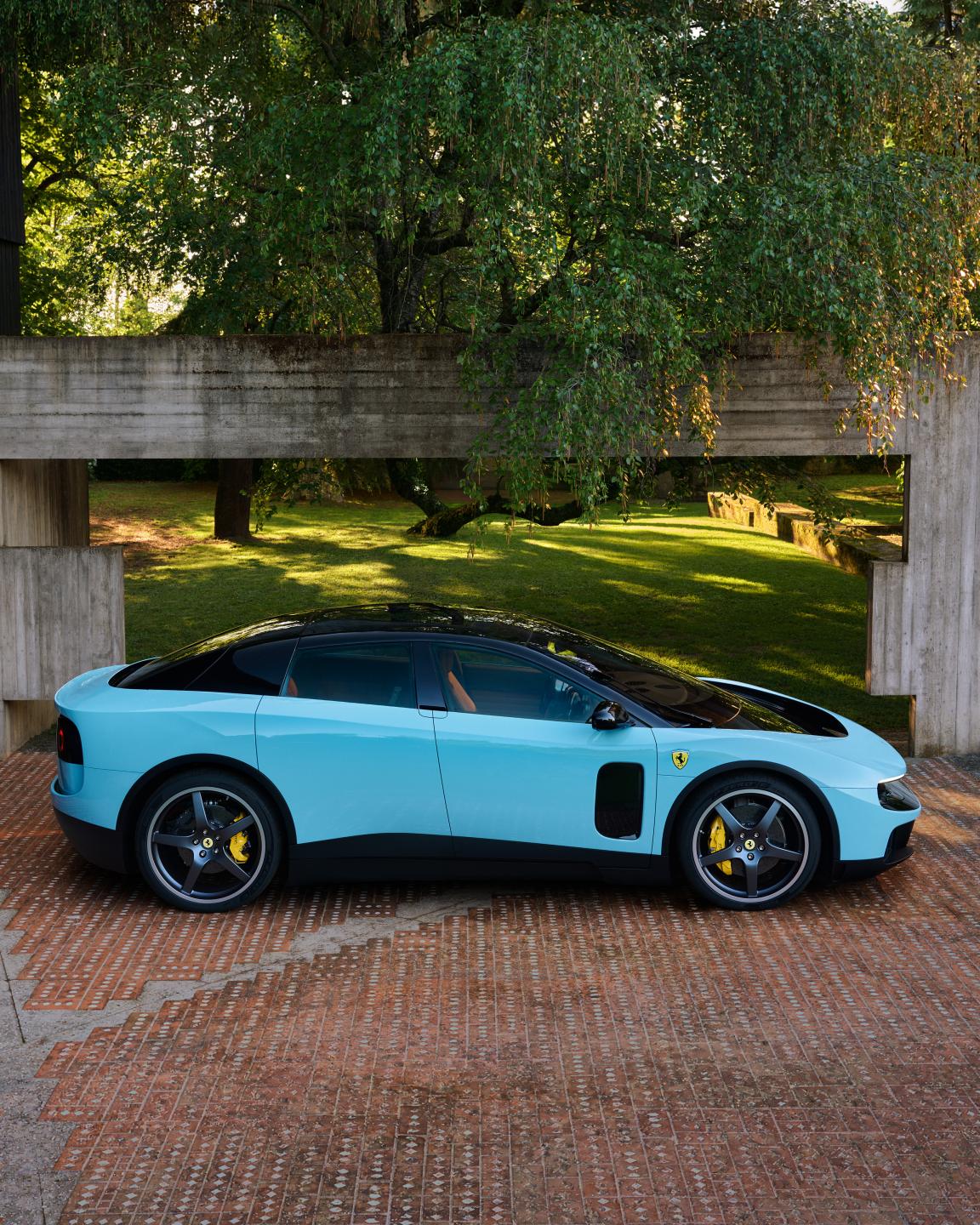
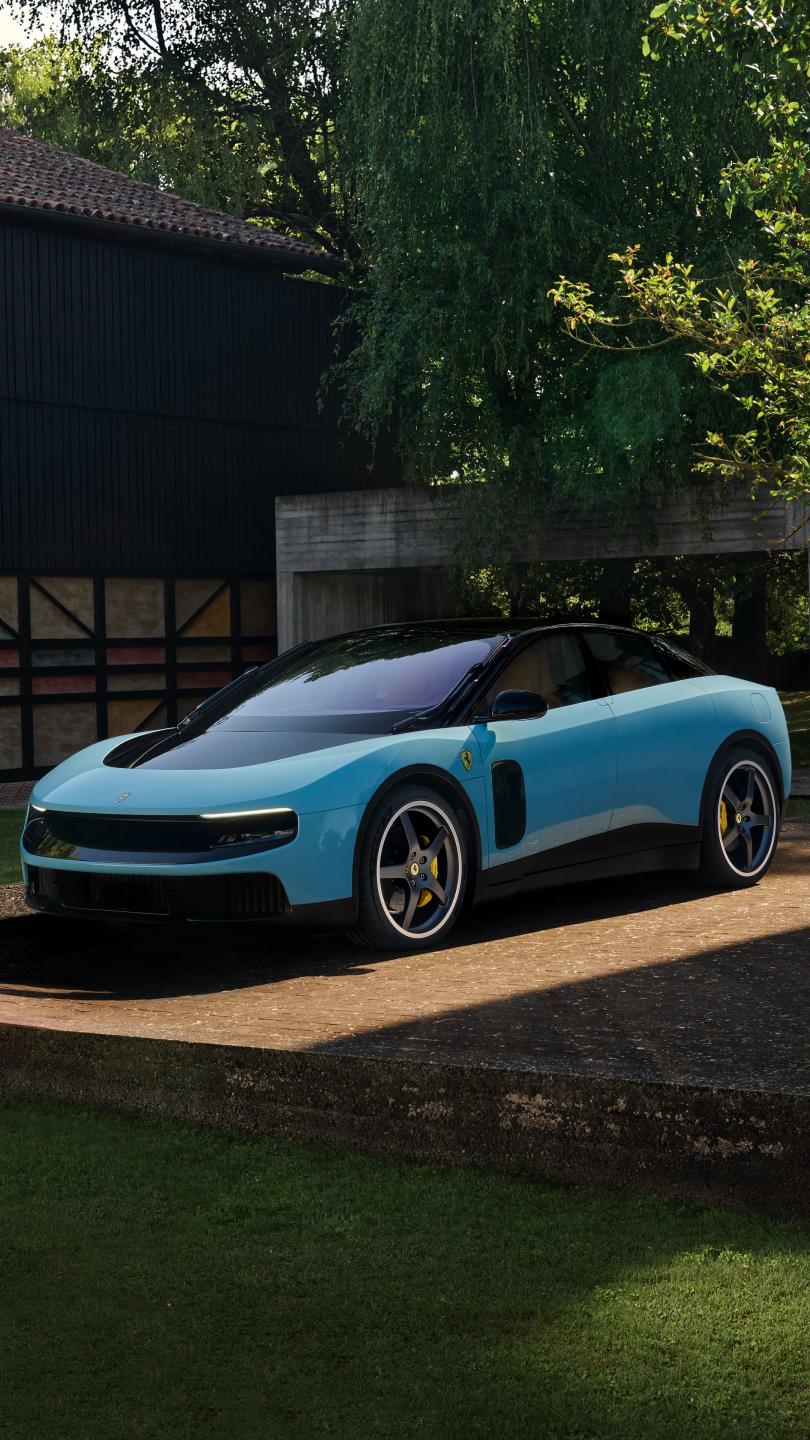
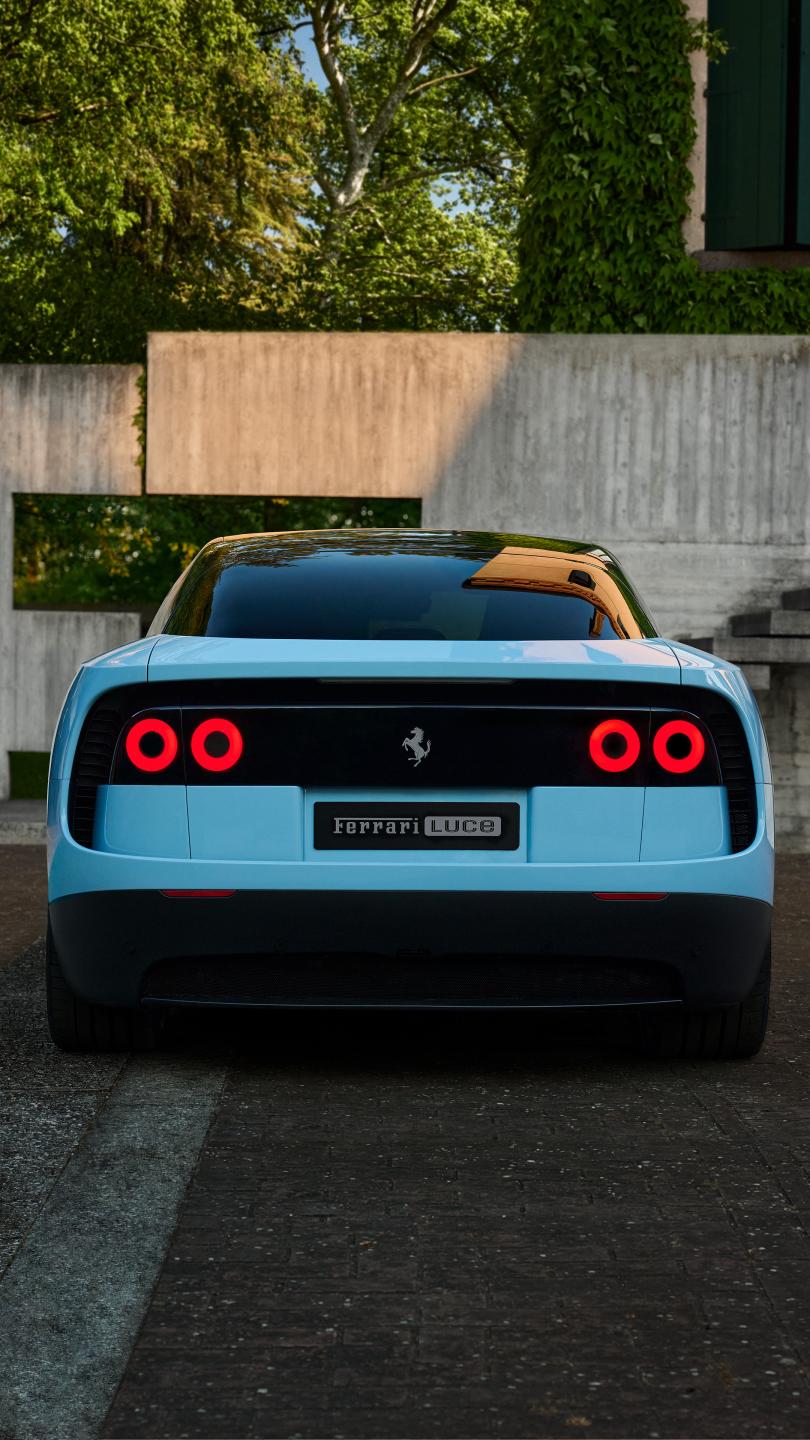
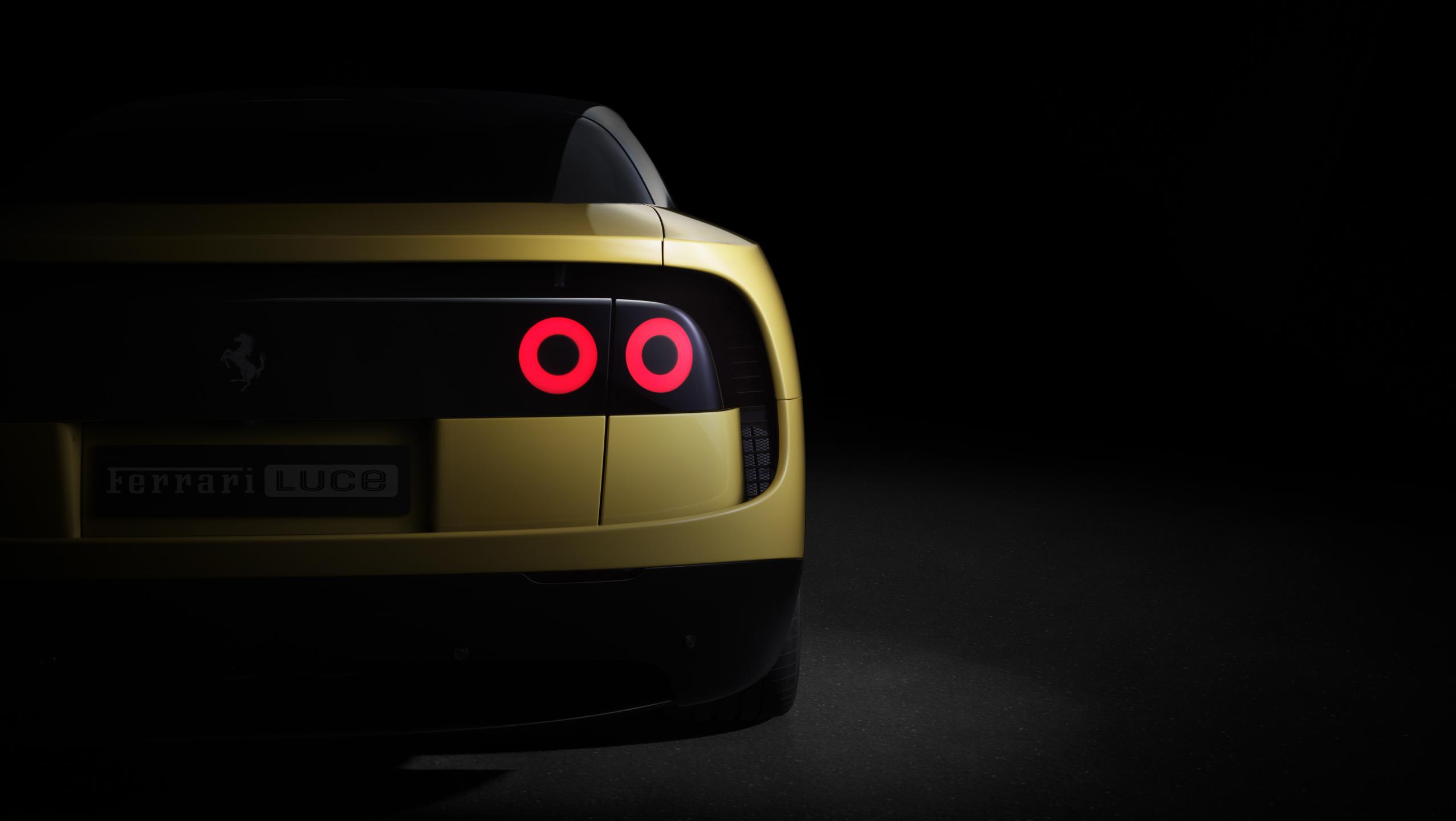
A different hand on the pencil
The most quietly radical decision about the Luce wasn't made in a wind tunnel. It was made when Maranello handed the design brief to someone outside the building.
LoveFrom — the creative collective founded by Sir Jony Ive and Marc Newson, the same studio that works closely with OpenAI — was given philosophical and creative autonomy to shape the car. They worked alongside Flavio Manzoni's Ferrari Design Studio, but the starting point was theirs. The result is a Ferrari that doesn't look like any Ferrari before it, and yet feels unmistakably of the marque.
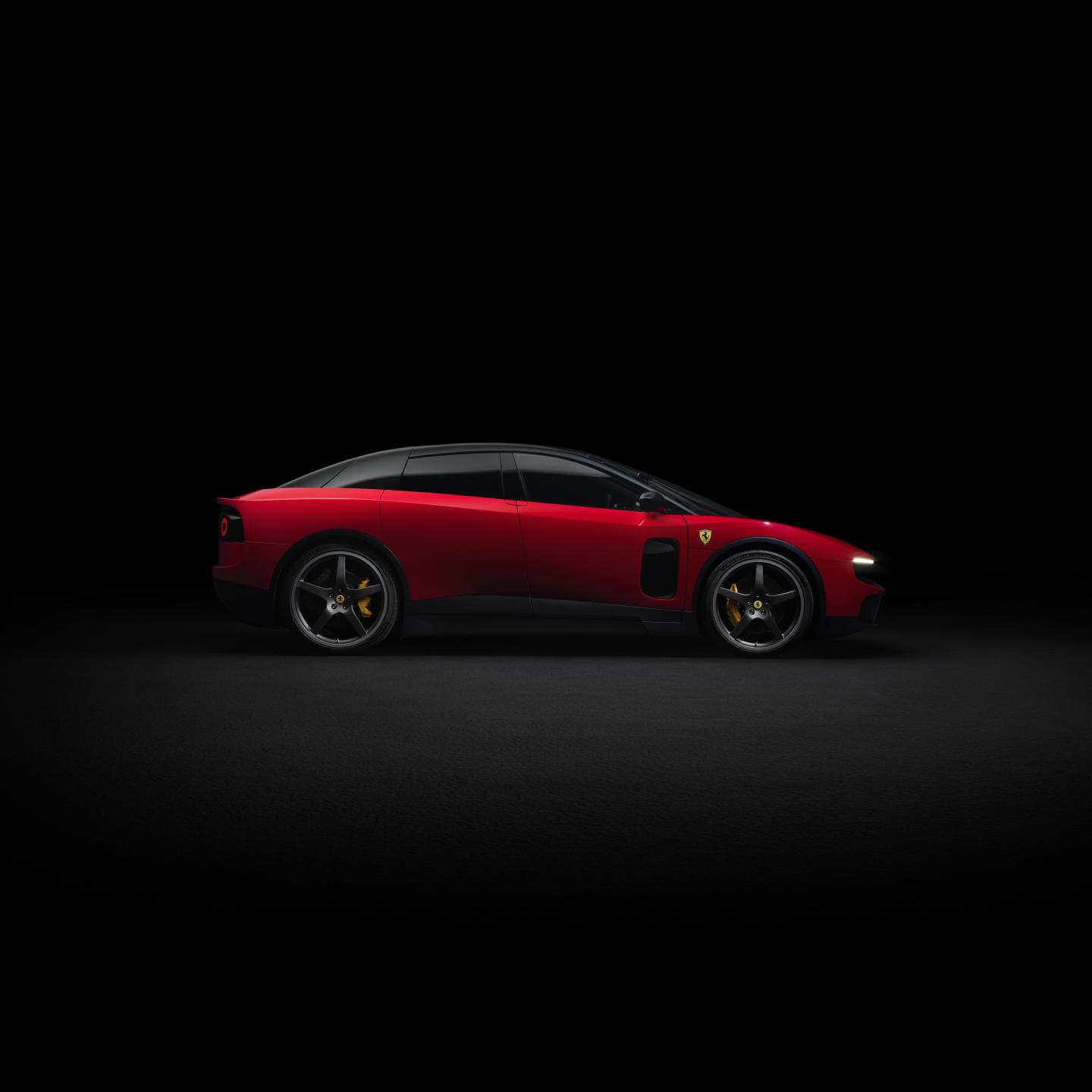
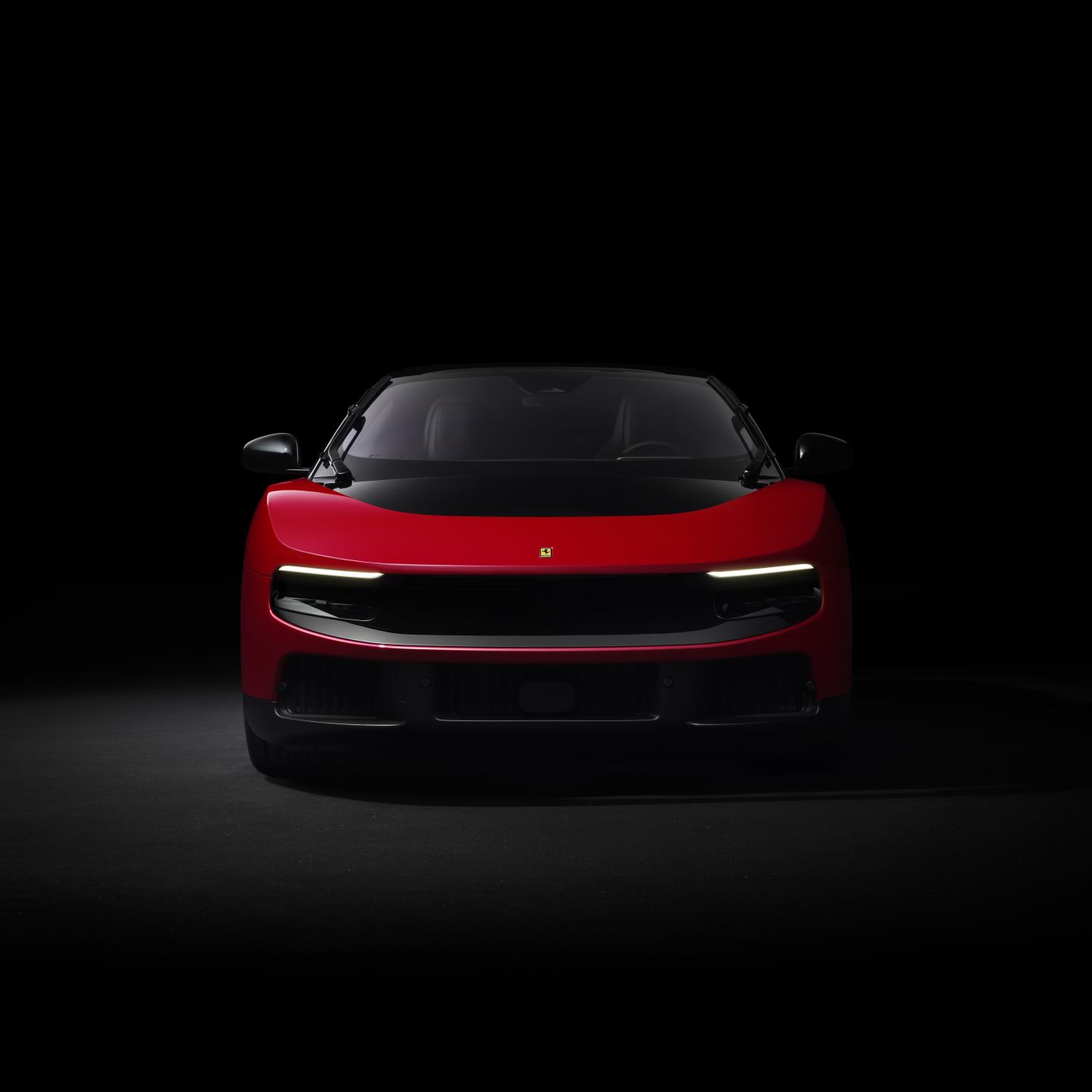
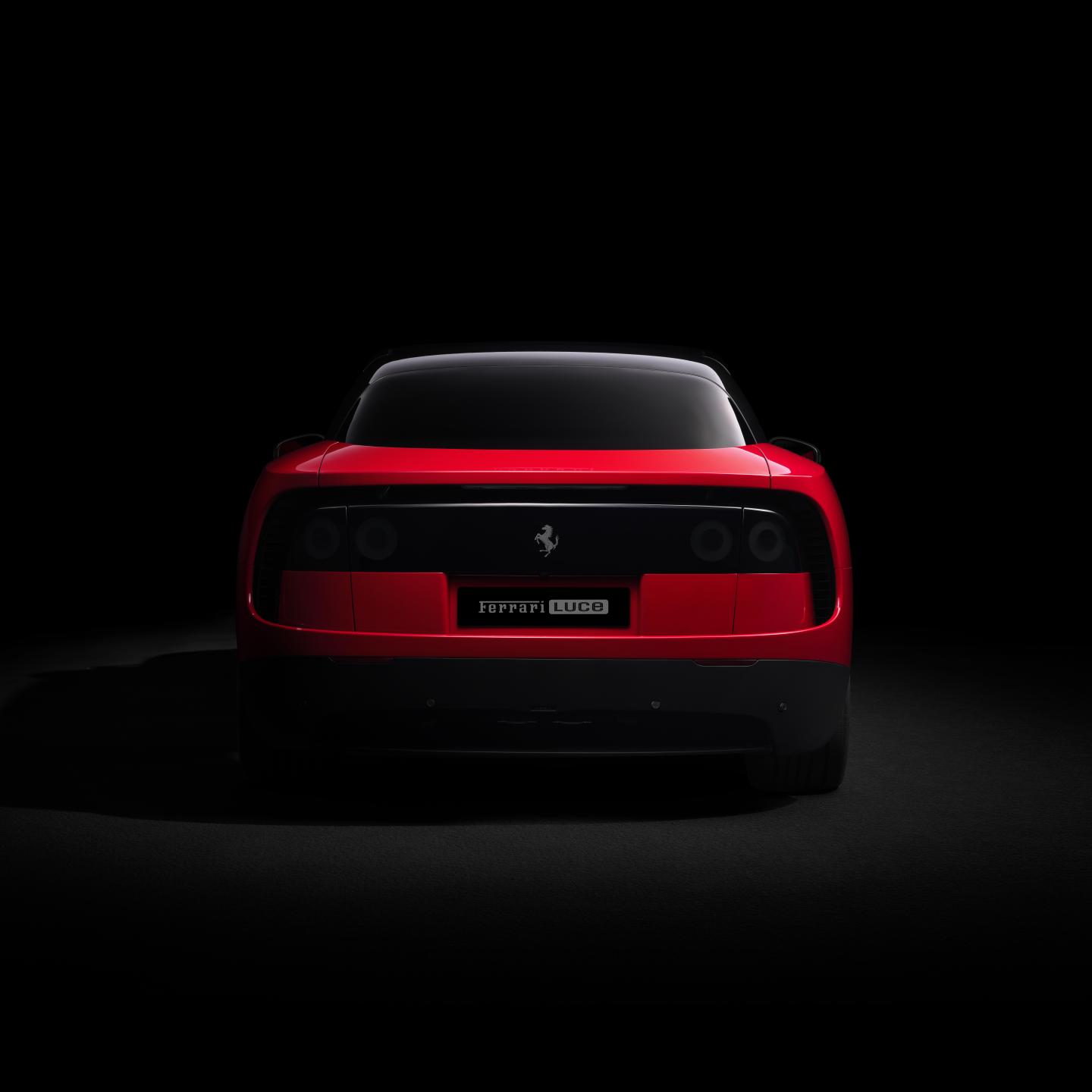
The defining gesture is what Ferrari calls the glass house — an uncompromised, shell-like silhouette that extends below the beltline and runs almost the full length of the car. Around it, the front and rear aerodynamic wings appear to float, holding the bodywork at a polite distance from the central cabin. The light panels are transparent, recessed into the surface, and seem to dissolve when switched off. The halo tail lights nod, gently, to the 360 Modena and the 458 Italia — a quiet thread back through the family tree.
The wheels are the largest staggered set ever fitted to a series-production Ferrari: 23 inches at the front, 24 at the rear. Two designs are offered — a forged five-spoke or an aerodynamic turbine-inspired set. Launch colours include the historically resonant Giallo Luce, a new yellow drawn from the very shade in the Ferrari logo.
Four motors. Five seats. One language.
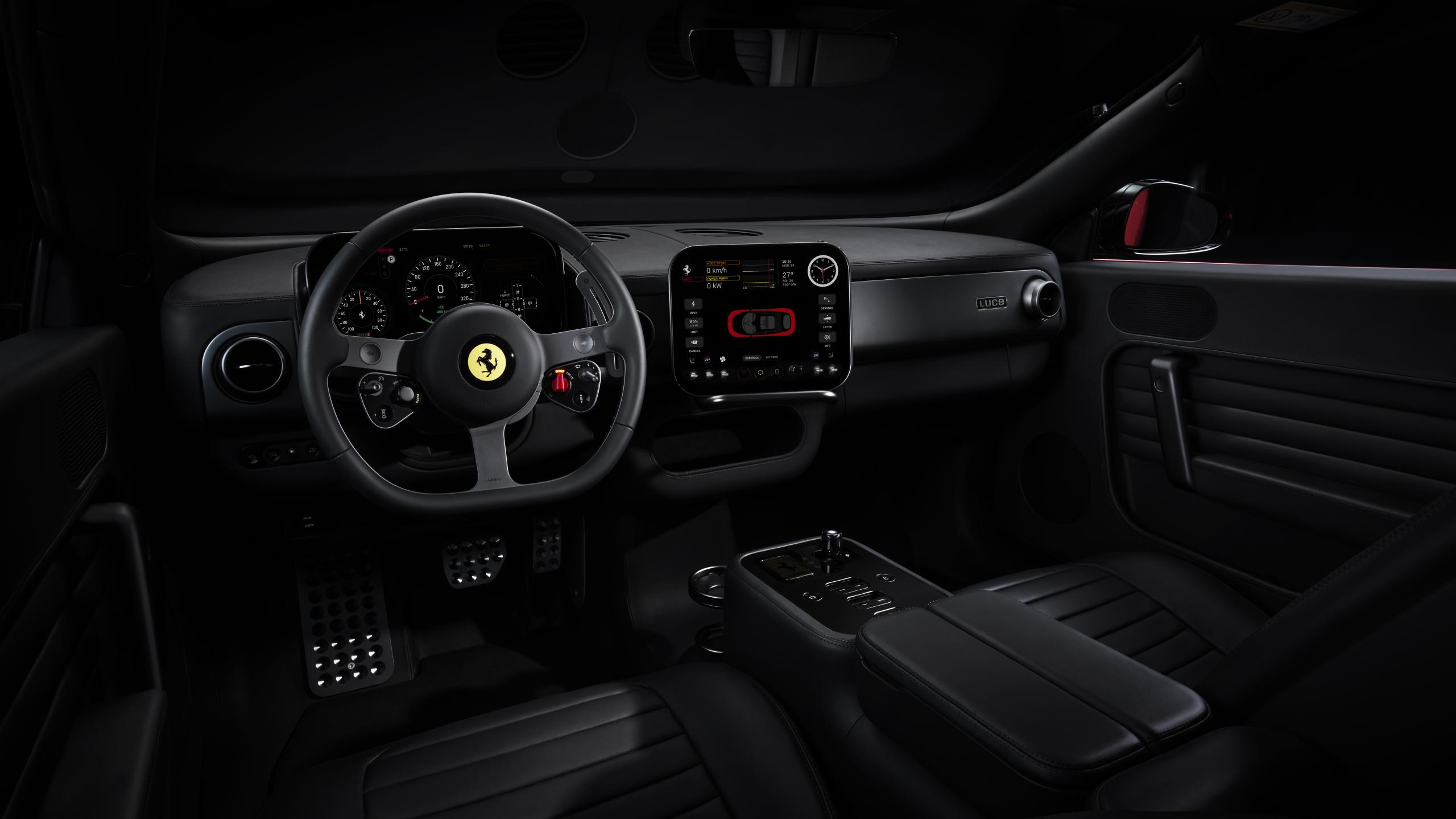
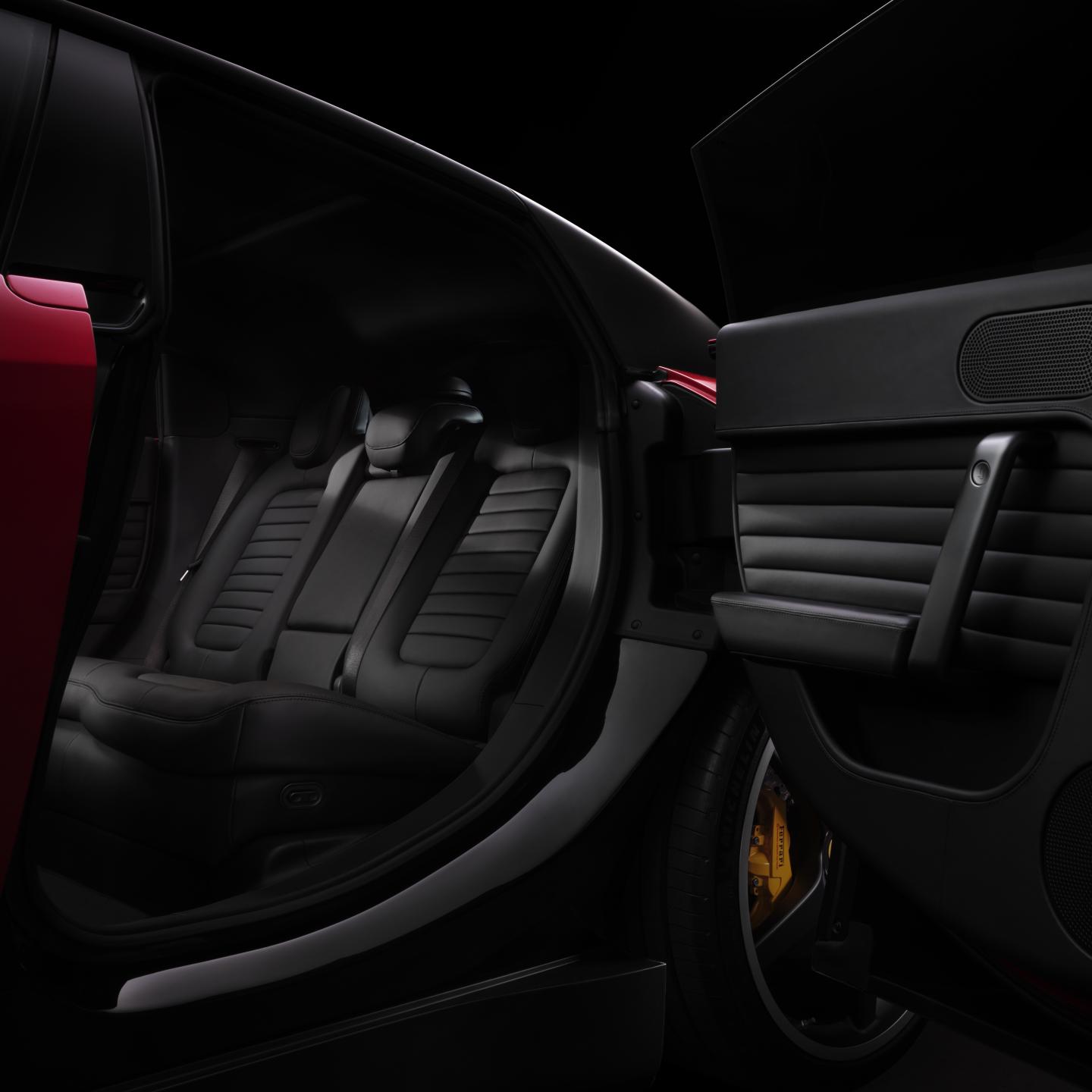
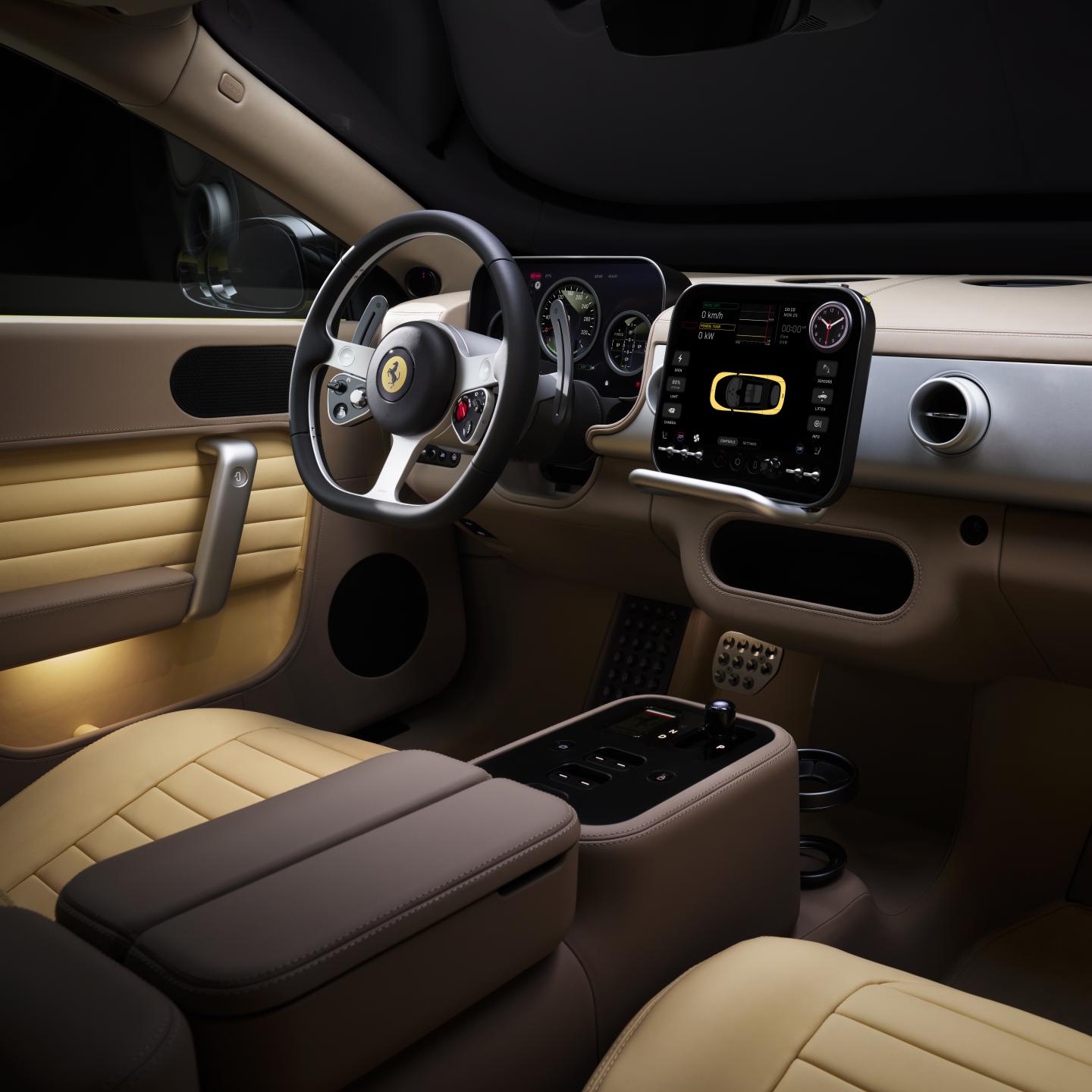
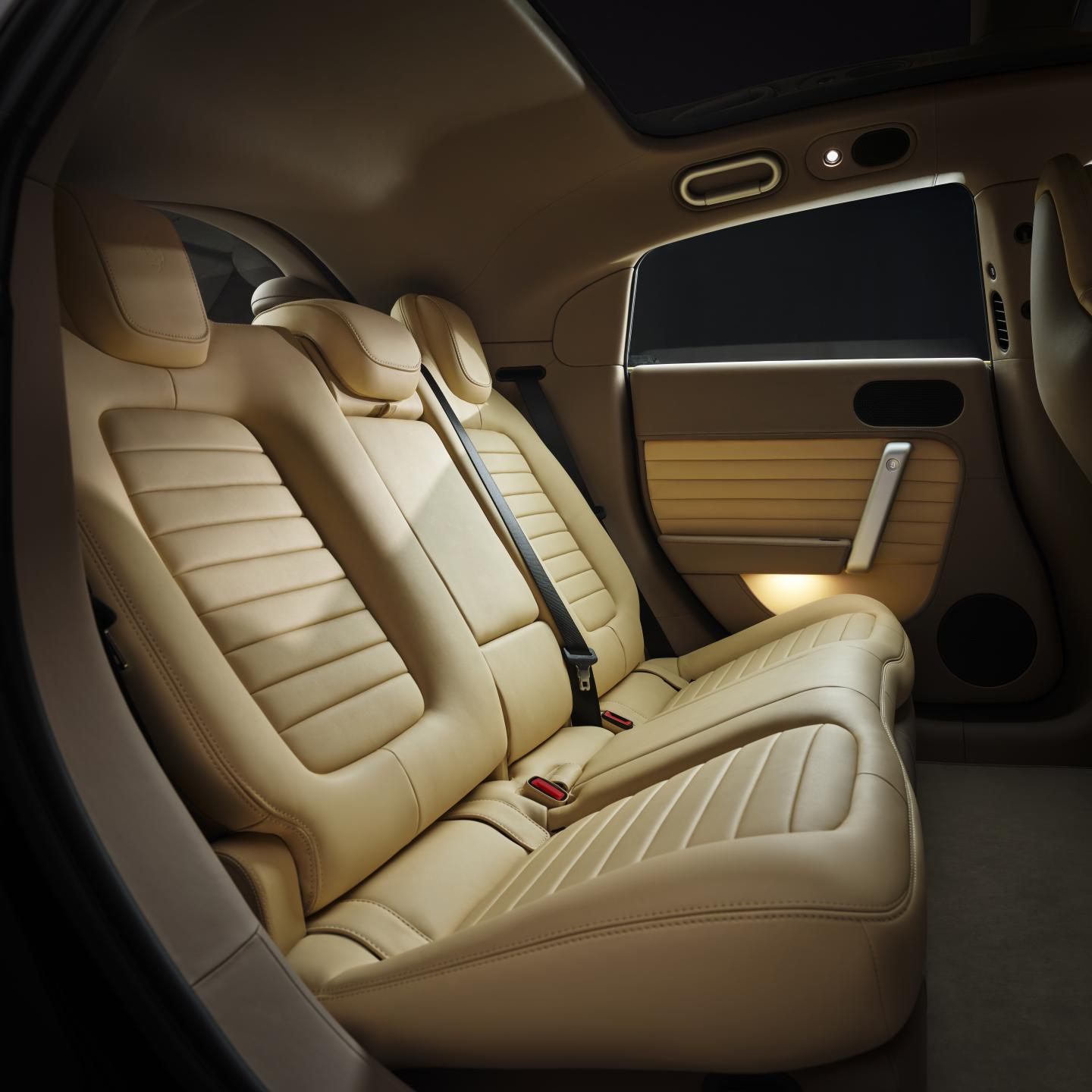
Step inside, and the interior reveals itself in layers. There's space here that no transaxle Ferrari could ever offer — the absence of a central tunnel, a battery hidden beneath the floor, and a cabin that genuinely seats five adults. But space alone isn't the point. The point is how considered every detail feels.
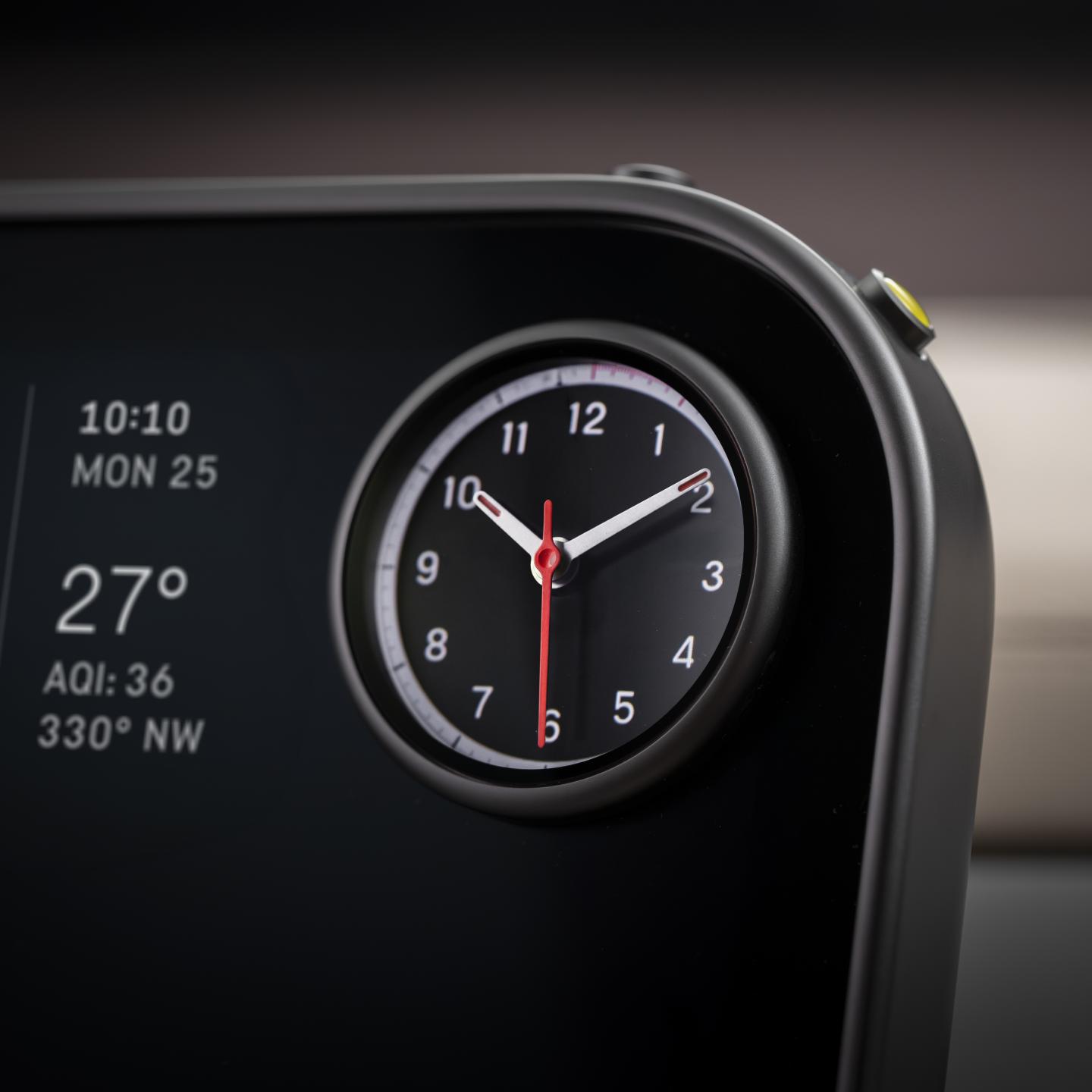
The three-spoke steering wheel is machined from 100% recycled aluminium. The binnacle — Ferrari's name for the driver display — uses superimposed OLED panels developed exclusively with Samsung Display, layering depth into something that reads almost analogue. The key, made from Corning Gorilla Glass, carries a tiny E Ink display — an automotive first.
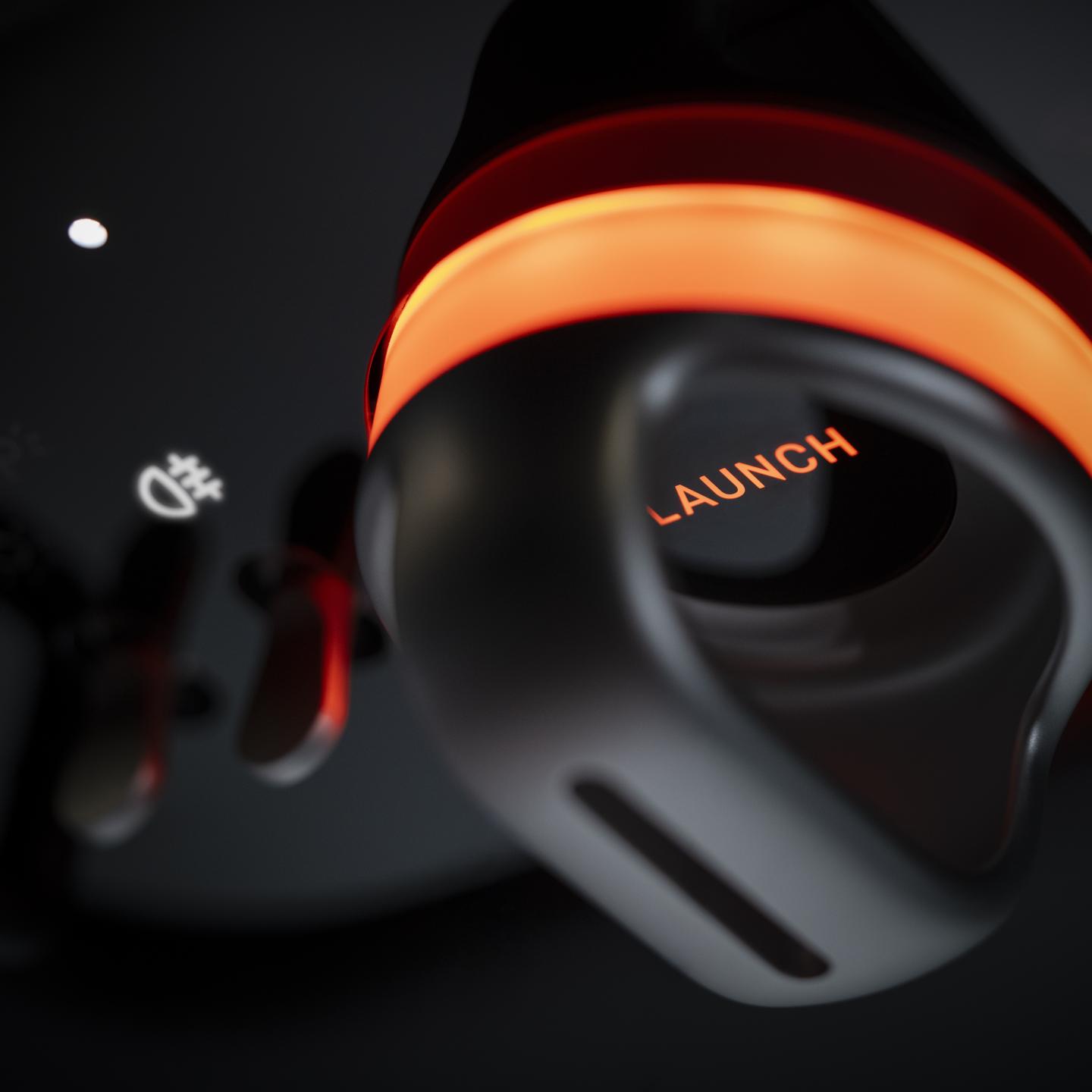
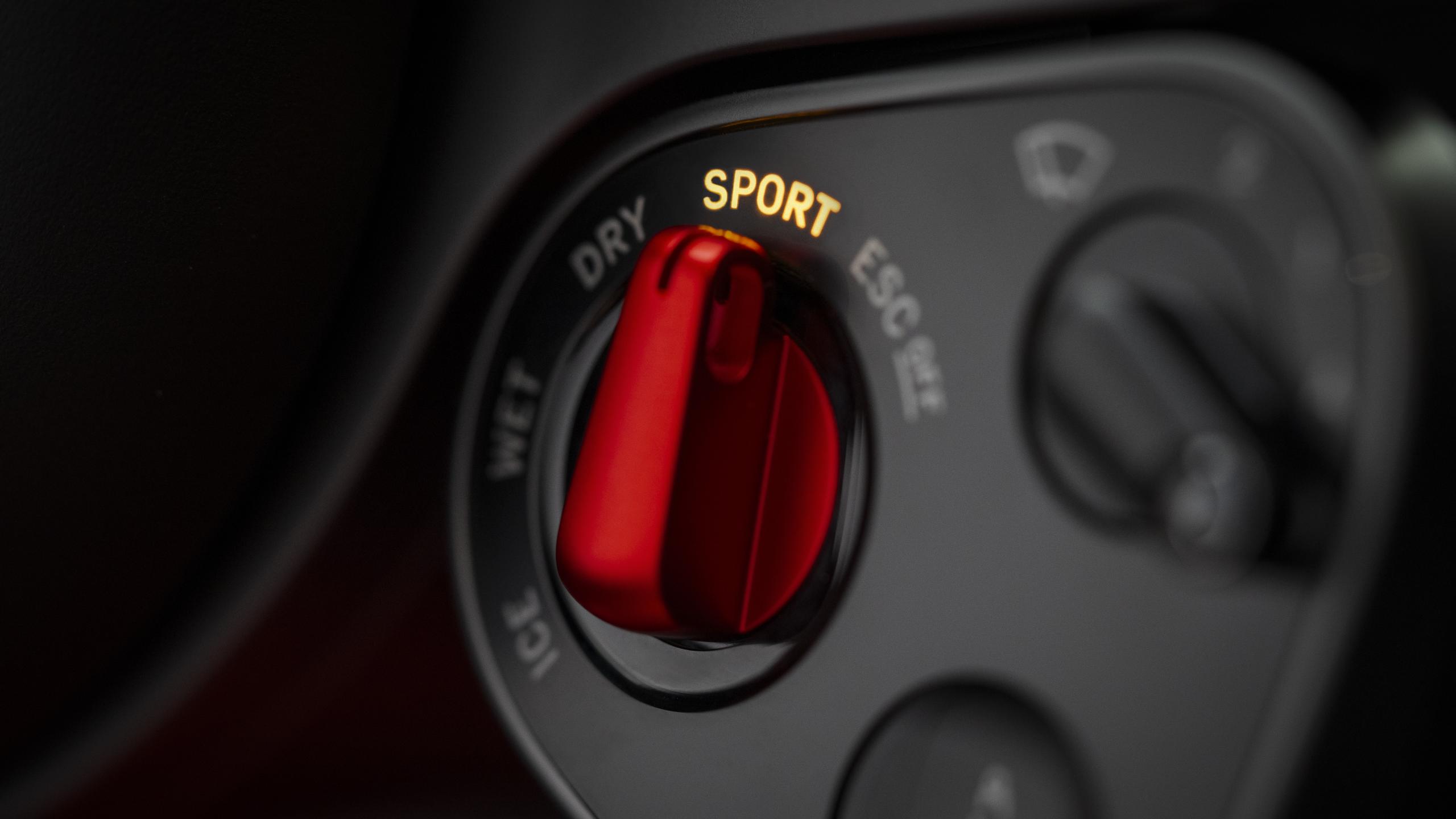
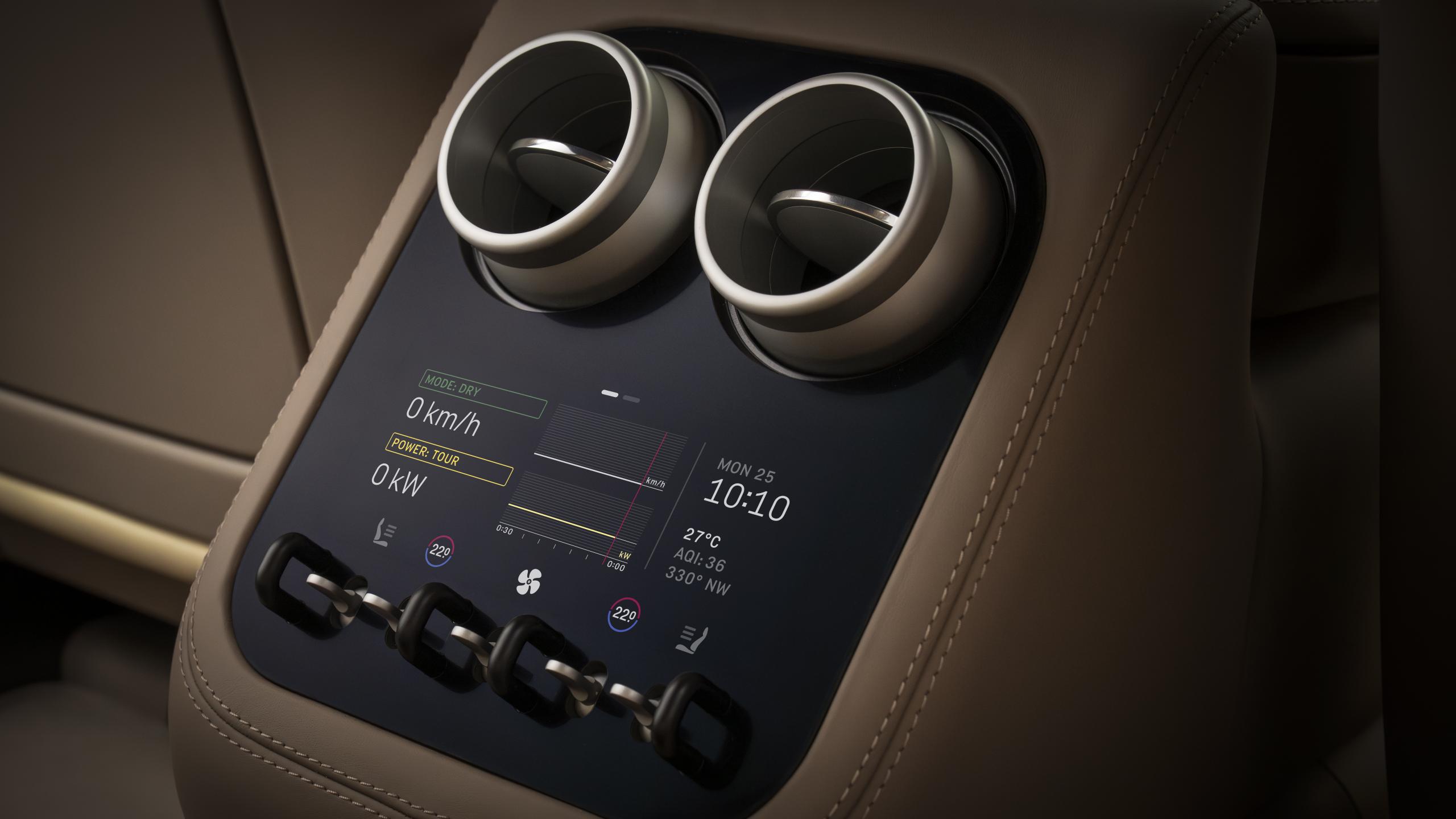
Above all, the cabin commits to a philosophy that increasingly feels rare: physical controls for the things you reach for in motion. Climate, drive modes, media — all proper buttons, dials and toggles, beautifully machined, anodised, satisfyingly tactile. Touch is reserved for what touch does best: deeper menus, navigation, settings. The 21-speaker, 3,000-watt audio system, complete with Ferrari's own Audio Signature presets, completes the picture.
Sound, but only if it's true
This is where Ferrari draws its sharpest line in the sand. The Luce makes sound — but it refuses to fake one. There is no synthesised engine note piped through speakers. Instead, a precision accelerometer mounted in the rear axle picks up the actual vibrations of the powertrain — the whirr of gears, the hum of rotating electric machines — and amplifies them, much as an electric guitar amplifies the vibration of a string. Filtered, equalised, and refined by a system Ferrari developed and patented in-house, it becomes a living, evolving voice. Authentic. Functional. Never artificial.
In Range mode, the car is whisper-silent. In Perfo, it sings. The choice, fittingly, is yours.
The drive, reimagined
Underneath the silhouette lies a bespoke platform that exists nowhere else in Maranello's lineup. Four electric motors — one per wheel — each capable of accelerating, steering and managing its own contact with the road. The architecture runs at 800 volts. The battery is structural, contributing 40% of the chassis's torsional rigidity. The centre of gravity sits 95 mm lower than the Purosangue, and the yaw moment of inertia is 15% lower — meaning the Luce handles like a car some 400 kg lighter than its actual 2,260 kg.
Peak output is 1,050 cv. 0 to 100 km/h takes 2.5 seconds. 0 to 200 in 6.8. Top speed crosses 310 km/h. Range, on Ferrari's own estimate, is in excess of 530 km, with the 122 kWh pack capable of recovering 70 kWh in twenty minutes on a 350 kW charger.
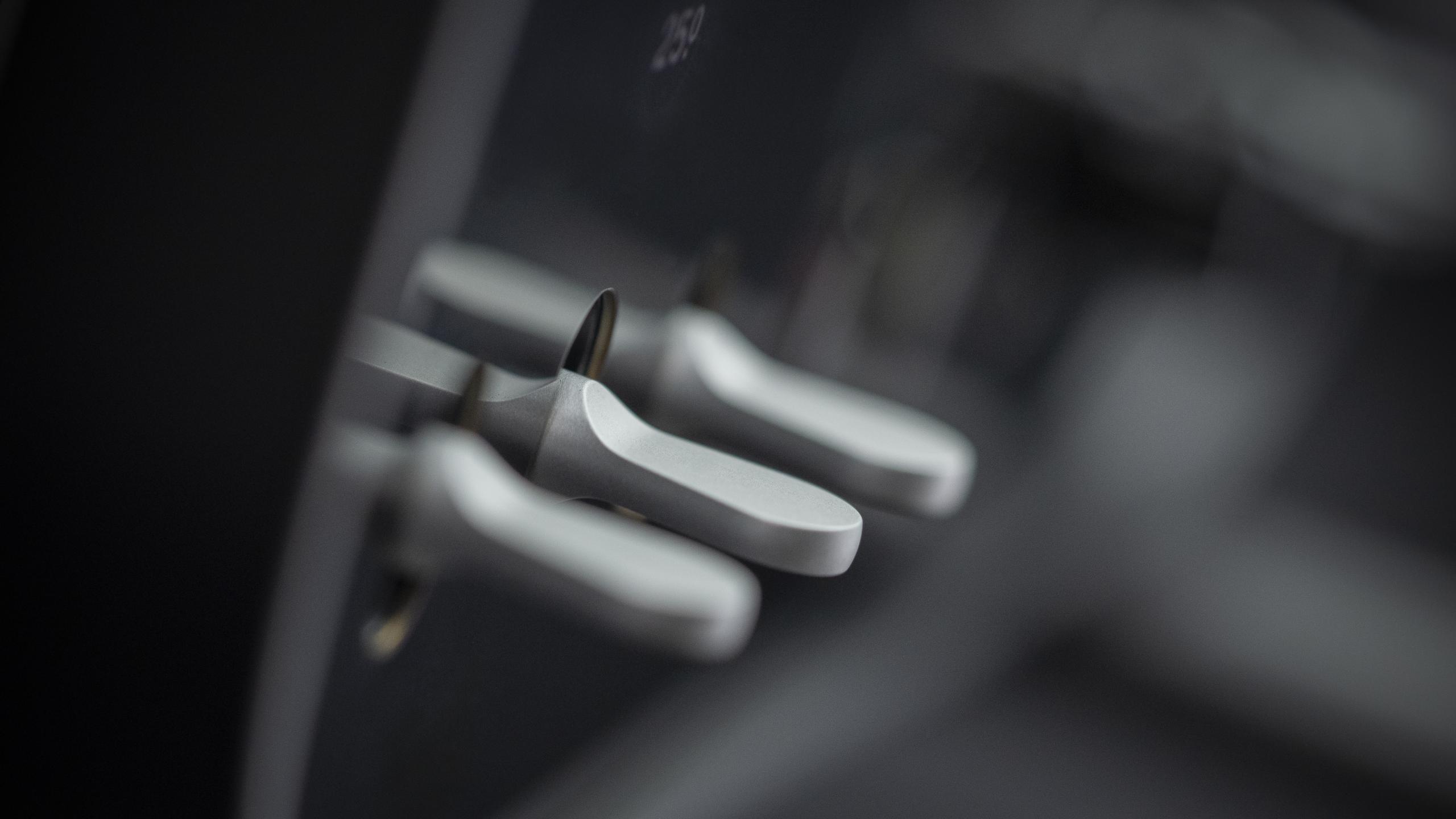
But the numbers, for once, aren't the headline. The headline is the Torque Shift Engagement system — Ferrari's way of refusing the on-off bluntness that defines most electric cars. Five power levels on the right paddle. Five engine braking levels on the left. The right paddle increases torque progressively as you ask for it; the left ramps up regeneration and the feel of deceleration. It doesn't pretend to be gears. It defines, in Ferrari's words, a new torque language.
The brand-new Vehicle Control Unit updates 200 times a second, coordinating powertrain, suspension and the latest evolution of Side Slip Control X. The first all-wheel-drive electric Ferrari uses torque vectoring on both axles — managing understeer, oversteer, and the line itself, with a fluency that no mechanical differential could ever quite match.
Breaking tradition, faithfully
Ferrari is keen to stress what the Luce is not. It is not a replacement. It does not signal the end of the combustion engine. It sits beside the V12s, the V6 hybrids, the SF90s and the Purosangues, as part of what Maranello calls a multi-energy strategy — a belief in technological neutrality, in offering its clientele the freedom to choose.
More than 60 new patents underwrite the car. Eight years of warranty cover the key electric components. Seven years of routine maintenance come included, as they do across the range. Battery support, in true Ferrari fashion, is committed to for the long haul under the Ferrari Forever philosophy.
Luce signals a departure from tradition. It expands what a Ferrari can be without compromising what one feels like. It invites for the first time, outside voices into a Maranello design studio that has, for decades, drawn only from within. Strong opinions and polarised reactions to the design are only natural, as it breaks away from Ferrari’s traditional design language — a direction that may not resonate with purists.
The Luce breaks tradition in nearly every way a Ferrari can. And in doing so, it feels unlike any Ferrari before it.
All figures manufacturer-claimed. Range and consumption (WLTP) under homologation.
0 Comments
No comments yet — be the first!