Explore Asia through its vibrant street food culture
The finest meals in Asia are rarely announced by polished façades or reservation books. They are found beneath weathered awnings, beside smoking charcoal grills and in markets where generations have perfected a single recipe. From Osaka to Yangon, these ten remarkable street dishes reveal the true character of their cities, one unforgettable bite at a time.

Luxury isn't always served on fine china. Sometimes it arrives in a paper wrapper, a chipped porcelain bowl or a banana leaf, prepared by hands that have repeated the same movements for decades.
Asia's street food culture is less about affordability than authenticity. Every city has its signature dish, shaped by history, migration and local ingredients. These are meals that tell stories, often more honestly than museums or monuments ever could.
This is not a list of Asia's most famous dishes. Instead, it is an invitation to slow down, wander a little further, and discover the flavours that locals return to time and again. Here we share an insider's guide to some of the best street food in Asia and what makes them so special. One dish at a time.
Morning Rituals
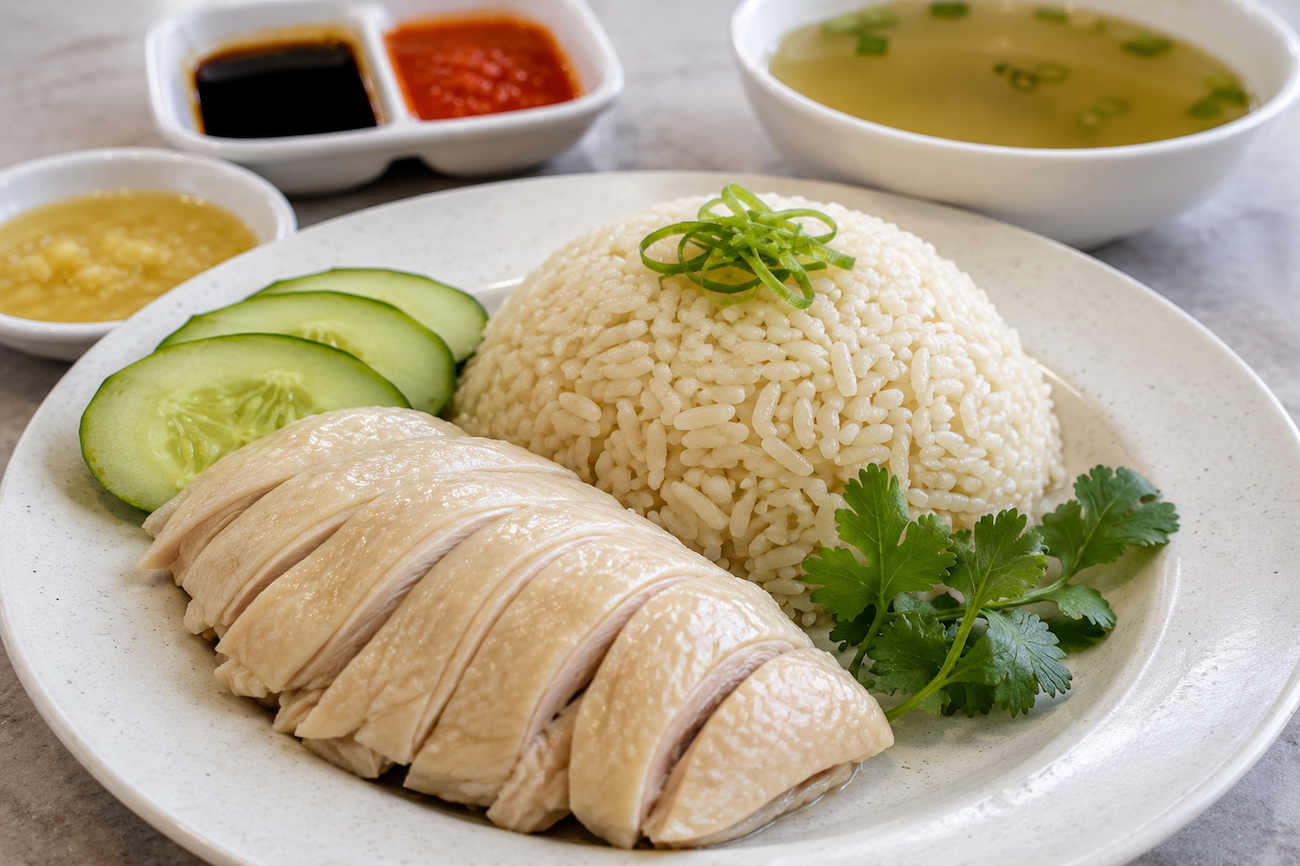
Hainanese Chicken Rice/ Singapore
Few dishes demonstrate restraint as beautifully as Singapore's Hainanese Chicken Rice. Silky poached chicken, fragrant rice cooked in stock, bright chilli sauce and aromatic ginger create a meal whose brilliance lies in precision rather than complexity. Inspired by immigrants from Hainan, the dish has become unmistakably Singaporean, representing the city's ability to transform diverse influences into something uniquely its own. Every element matters, from the quality of the stock to the texture of the rice and the balance of the sauces.
The Detour: Skip the tourist hotspots and make your way to Sin Kee Chicken Rice, where locals continue to queue for one of the city's most respected plates. The recipe has remained refreshingly unchanged despite Singapore's rapidly evolving dining scene.
Pro Tip: Visit just before lunch. The queues build quickly, and the freshest batches rarely last long.
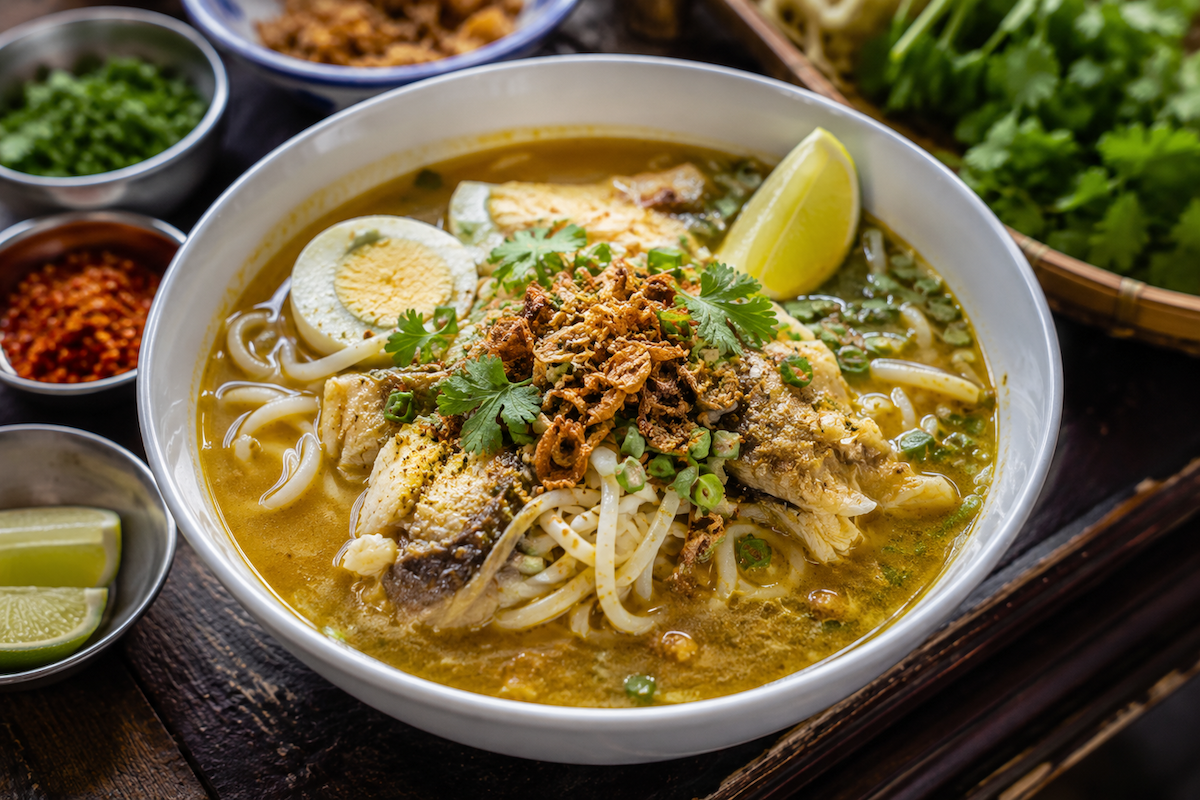
Mohinga/ Yangon, Myanmar
Long before Yangon fully wakes, steaming bowls of Mohinga begin appearing on roadside carts across the city. A fragrant broth of catfish, lemongrass, toasted rice flour and rice noodles, Mohinga is Myanmar's national breakfast and perhaps Southeast Asia's most underrated street food. It is comforting, aromatic and deeply rooted in everyday life, with recipes passed quietly from one generation to the next.
The Detour: Myaungmya Daw Cho continues to be one of the go-to places for authentic Irrawaddy Delta-style Mohinga, while Rangoon Tea House offers an excellent introduction for first-time visitors wanting a refined interpretation without losing authenticity.
Pro Tip: Arrive before 9 a.m., when the broth is at its freshest.
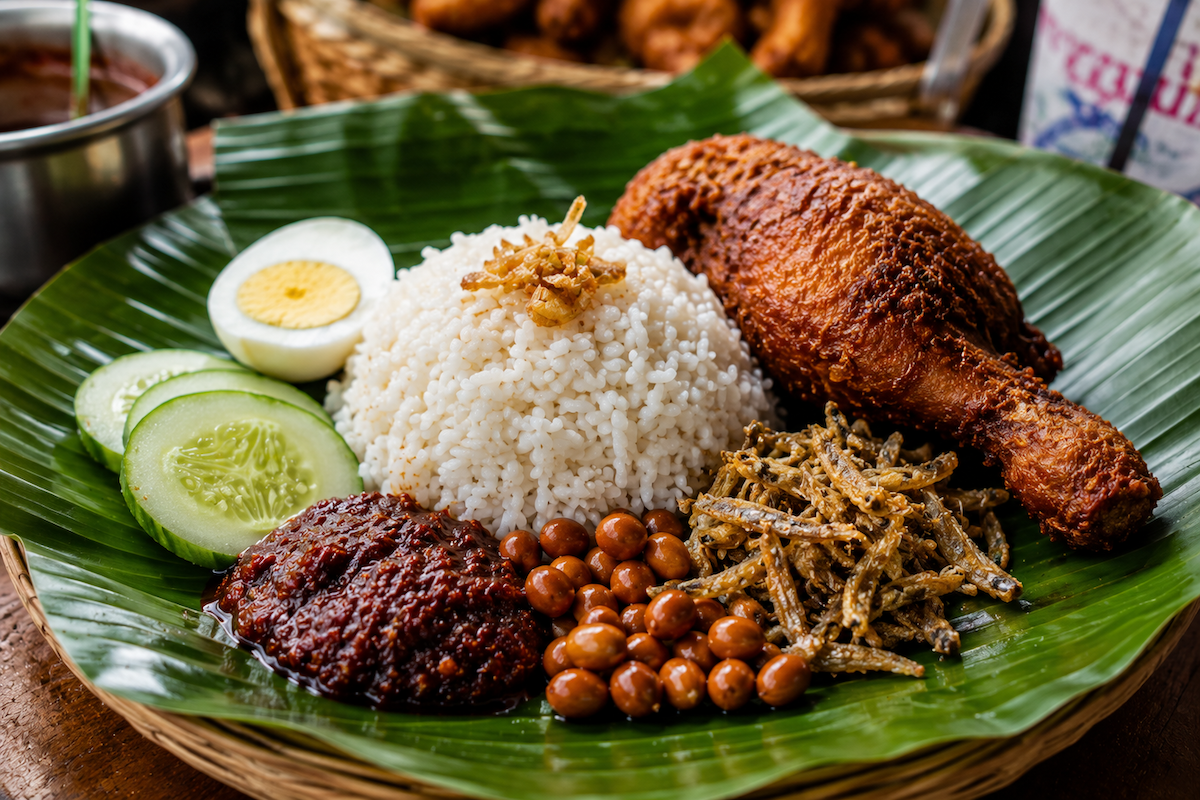
Nasi Lemak/ Kuala Lumpur, Malaysia
Wrapped in banana leaves or served on simple plates, Nasi Lemak is Malaysia's national comfort food. Fragrant coconut rice paired with sambal, roasted peanuts, crispy anchovies, cucumber and egg, with some versions adding fried chicken or rendang. The heart of the dish remains its perfectly balanced sambal: rich, spicy, sweet and savoury, it is a breakfast that comfortably becomes lunch and dinner.
The Detour: Ask any local where to begin and chances are they'll point you towards Village Park Restaurant in Petaling Jaya. Its fried chicken has become almost as famous as the Nasi Lemak itself.
Pro Tip: Go early. The breakfast rush tells you everything you need to know.
Midday Classics
As the morning rush fades, Asia's streets settle into a gentler rhythm. Lunch is rarely hurried. It is a time when recipes perfected over generations take centre stage, inviting travellers to linger a little longer.
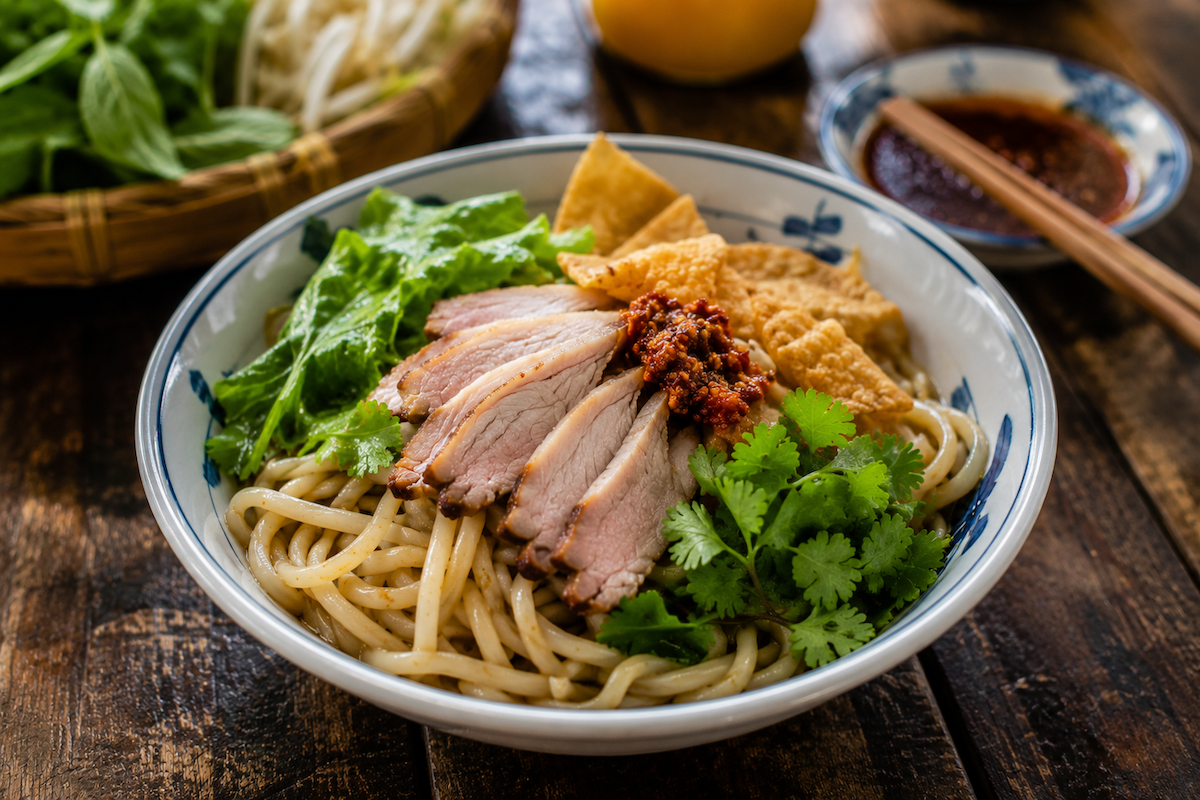
Cao Lầu/ Hoi An, Vietnam
No dish is more closely tied to a single city than Cao Lầu. Its thick noodles, slices of barbecued pork, fresh herbs and crisp rice crackers have become synonymous with Hoi An. Local tradition maintains that its distinctive character comes from the city's unique water, making authentic Cao Lầu almost impossible to recreate elsewhere.
The Detour: Tucked away from the busiest tourist streets, A Little Kitchen continues to serve beautifully balanced bowls that celebrate Hoi An's culinary heritage without unnecessary flourish. For more authentic flavours, Cao Lau Thanh, a humble family-run spot, is consistently praised by locals for serving perfectly balanced, traditional bowls.
Pro Tip: Wander a few streets beyond the Old Town's busiest lanes. That's where the city's best flavours quietly wait.
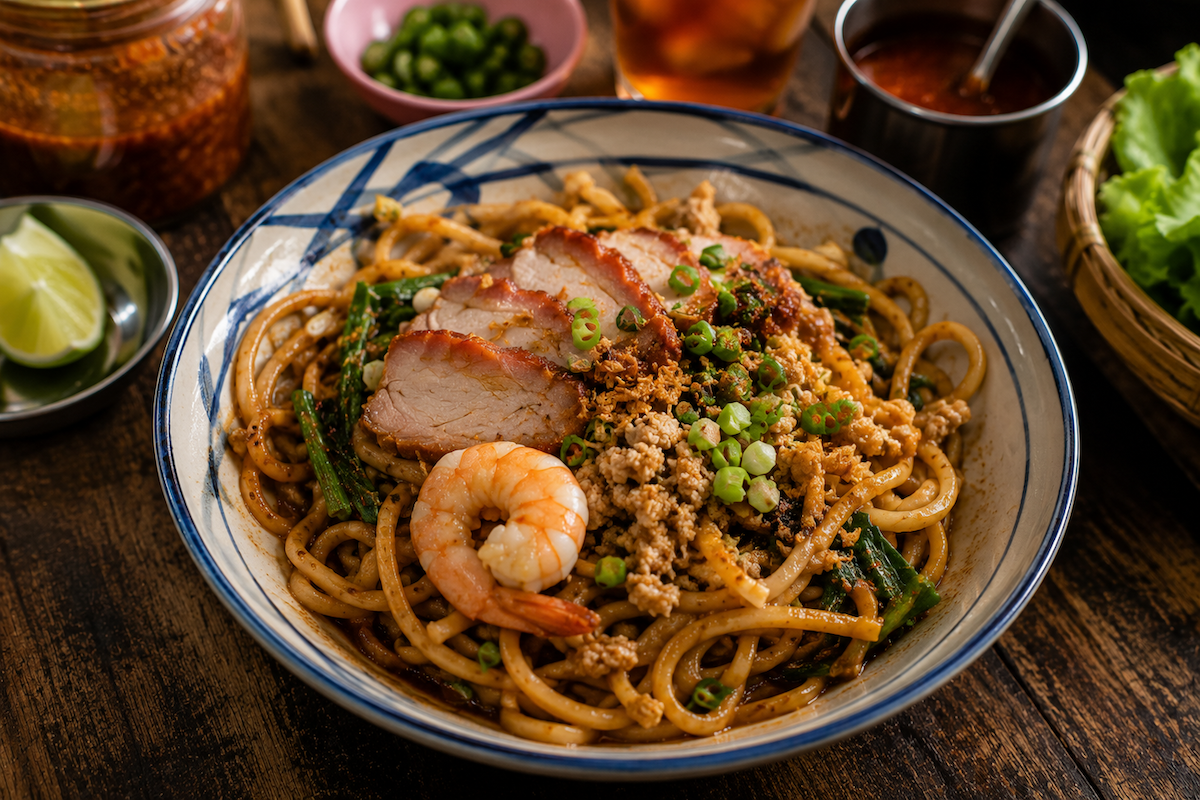
Danzai Noodles/ Tainan, Taiwan
Sometimes the smallest bowl leaves the biggest impression.
Originally created by fishermen during the off-season, Danzai Noodles combine springy noodles, shrimp broth, minced pork and garlic into one deceptively simple meal. Portions remain intentionally modest, encouraging diners to explore Tainan's extraordinary street food culture one bowl at a time.
The Detour: Few names are more respected than Small Park Danzai Noodles, where the recipe has endured for decades.
Pro Tip: Visit after sunset and continue your culinary journey through Tainan's bustling night markets.
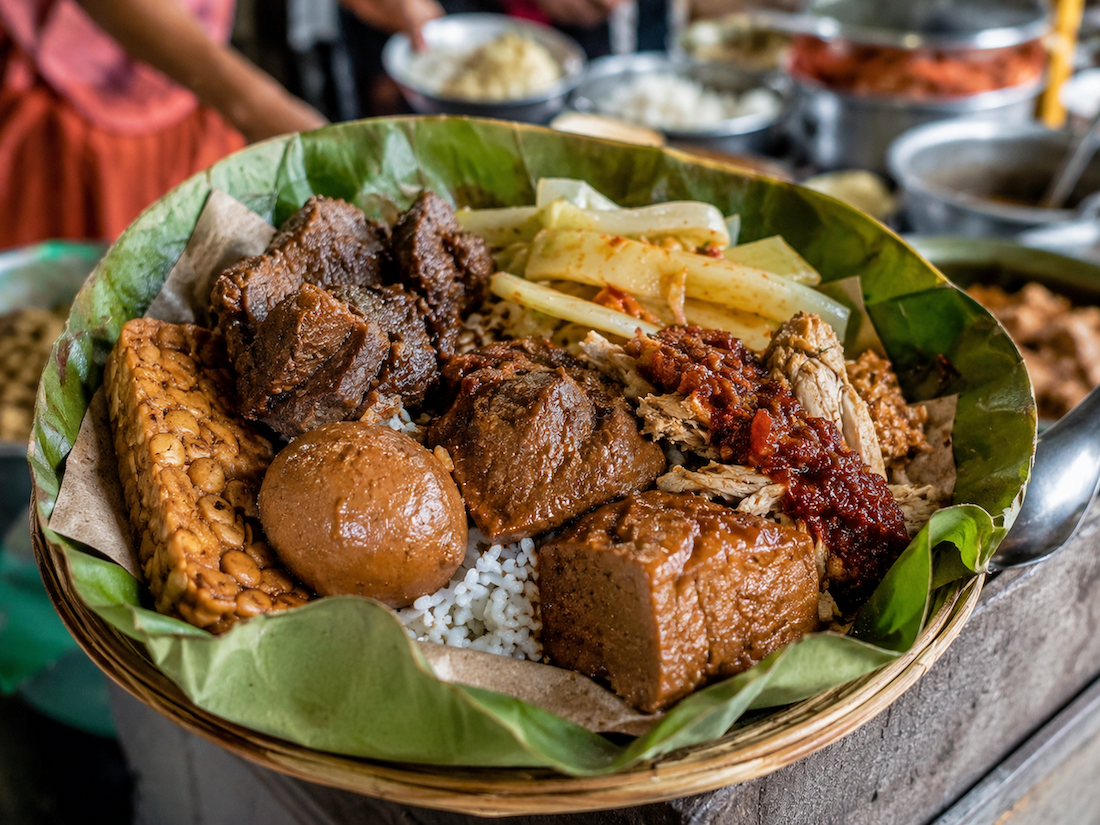
Gudeg/ Yogyakarta, Indonesia
Sweet, earthy and unmistakably Javanese, Gudeg is unlike anything else in Asia. Young jackfruit is slowly simmered with coconut milk and palm sugar until it develops remarkable depth and richness. The process takes hours, a quiet reminder that patience often produces the finest flavours.
The Detour: Gudeg Yu Djum has become one of Yogyakarta's culinary institutions, preserving recipes that have delighted locals for generations.
Pro Tip: Many locals enjoy Gudeg for breakfast, but lunchtime offers a slower, more relaxed experience.
Streets After Sunset
As daylight fades, charcoal fires glow, griddles begin to hiss, and ordinary streets transform into open-air kitchens. Across Asia, the evening marks the beginning of its most memorable culinary rituals.
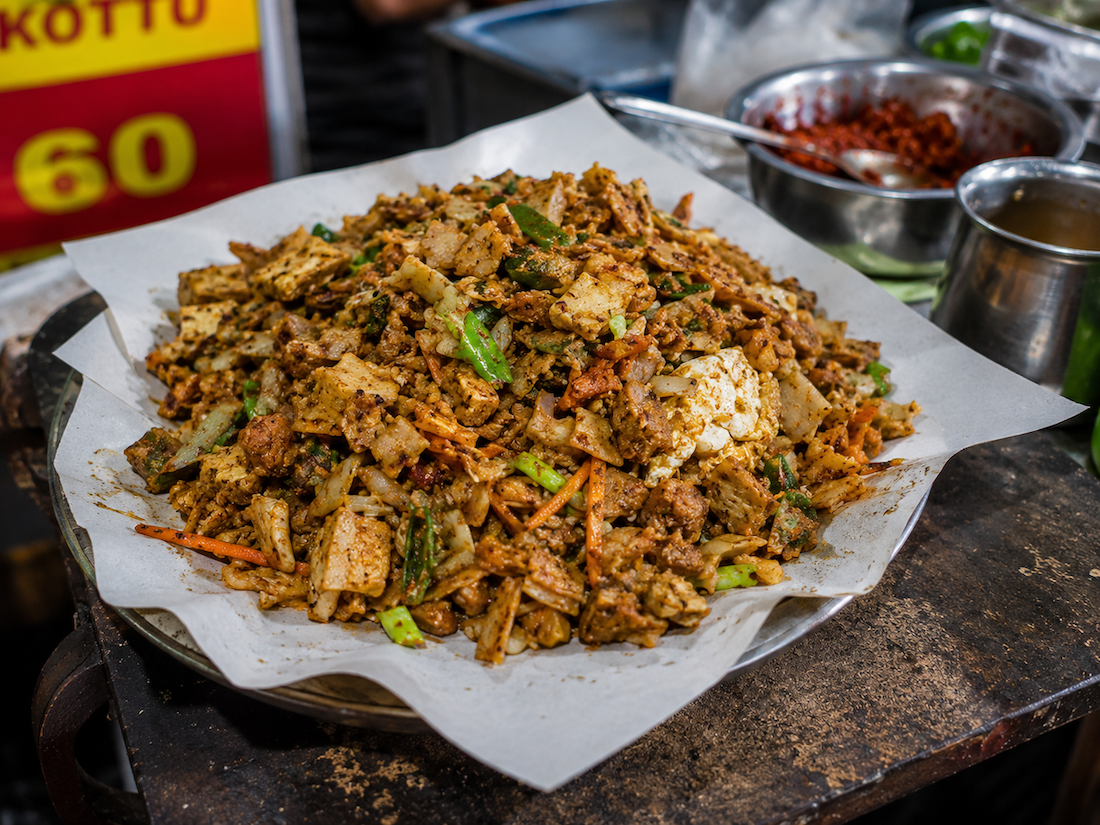
Kottu Roti/ Colombo, Sri Lanka
You hear Kottu before you see it. Across Colombo, metal spatulas rhythmically strike hot griddles as cooks chop together shredded roti, vegetables, eggs and meat into one glorious, smoky tangle. The sound has become part of Sri Lanka's evening soundtrack.
The Detour: Hotel de Pilawoos remains one of Colombo's enduring late-night favourites, while the busy streets around Bambalapitiya reward those willing to follow the crowds.
Pro Tip: Look out for the busiest stalls. They usually produce the freshest Kottu.
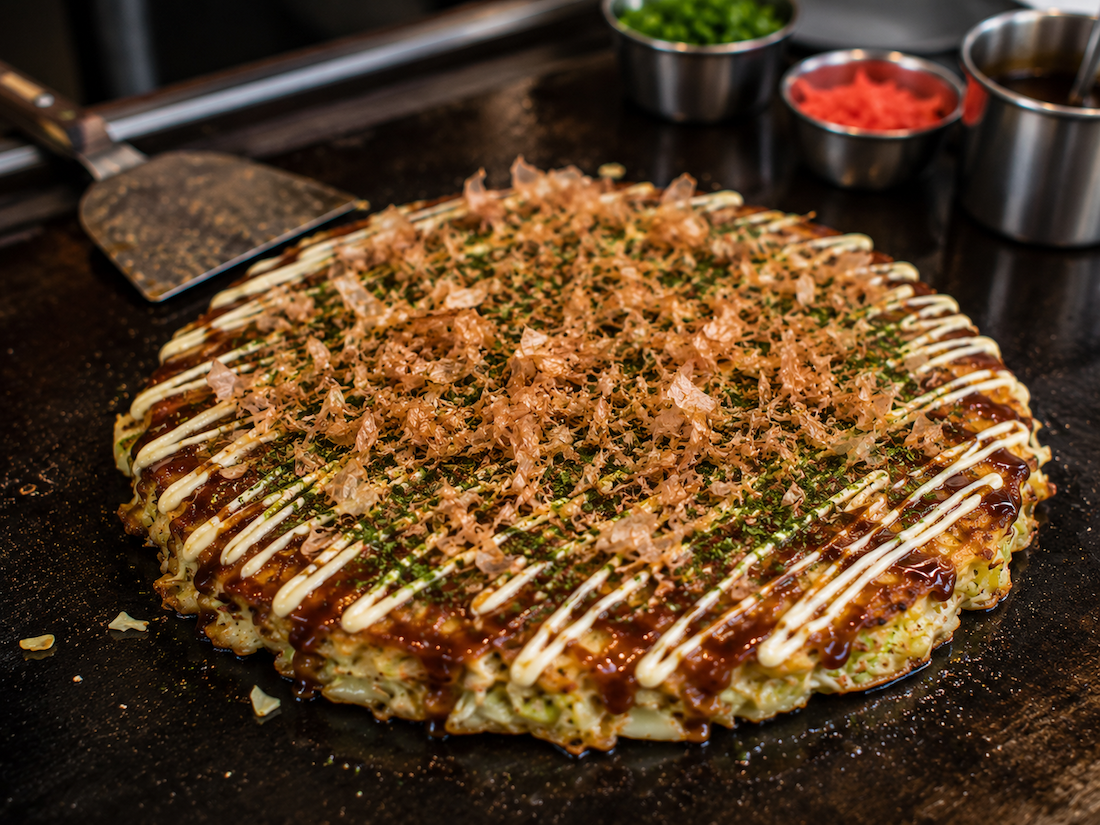
Okonomiyaki/ Osaka, Japan
Osaka proudly calls itself Japan's Kitchen, and nowhere is that reputation better earned than over a sizzling teppan.
Okonomiyaki combines cabbage, batter, seafood or meat before being cooked into a savoury pancake and finished with rich sauce, Japanese mayonnaise and dancing bonito flakes. Watching the chef work is every bit as satisfying as eating the finished dish.
The Detour: Hidden within Dotonbori, Mizuno has spent generations perfecting one of Osaka's finest okonomiyaki. A short walk away, Ajinoya, famous for its traditional flour-and-cabbage okonomiyaki, is also an absolute must-try.
Pro Tip: Sit at the counter if possible. Watching the teppan is part of the experience.
Worth the Journey
Some dishes refuse to belong to a particular hour. They become destinations in themselves, rewarding travellers willing to venture beyond the obvious.
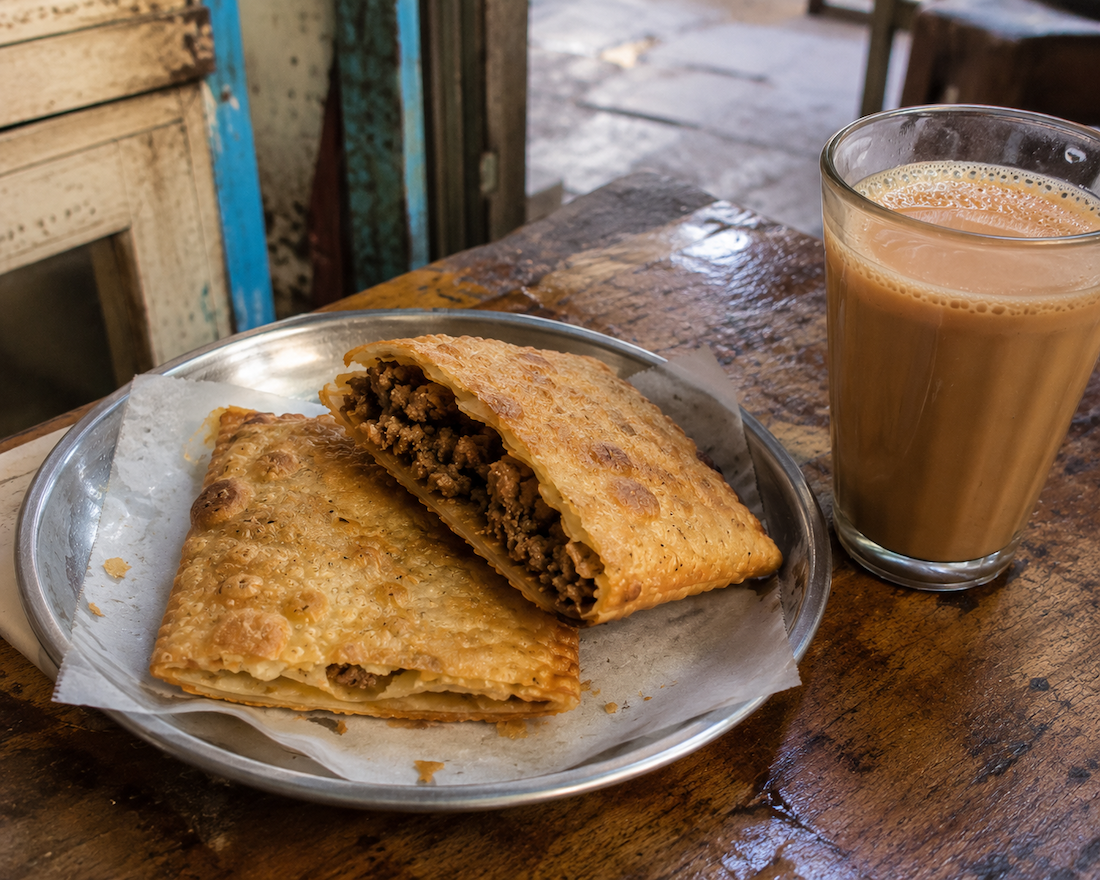
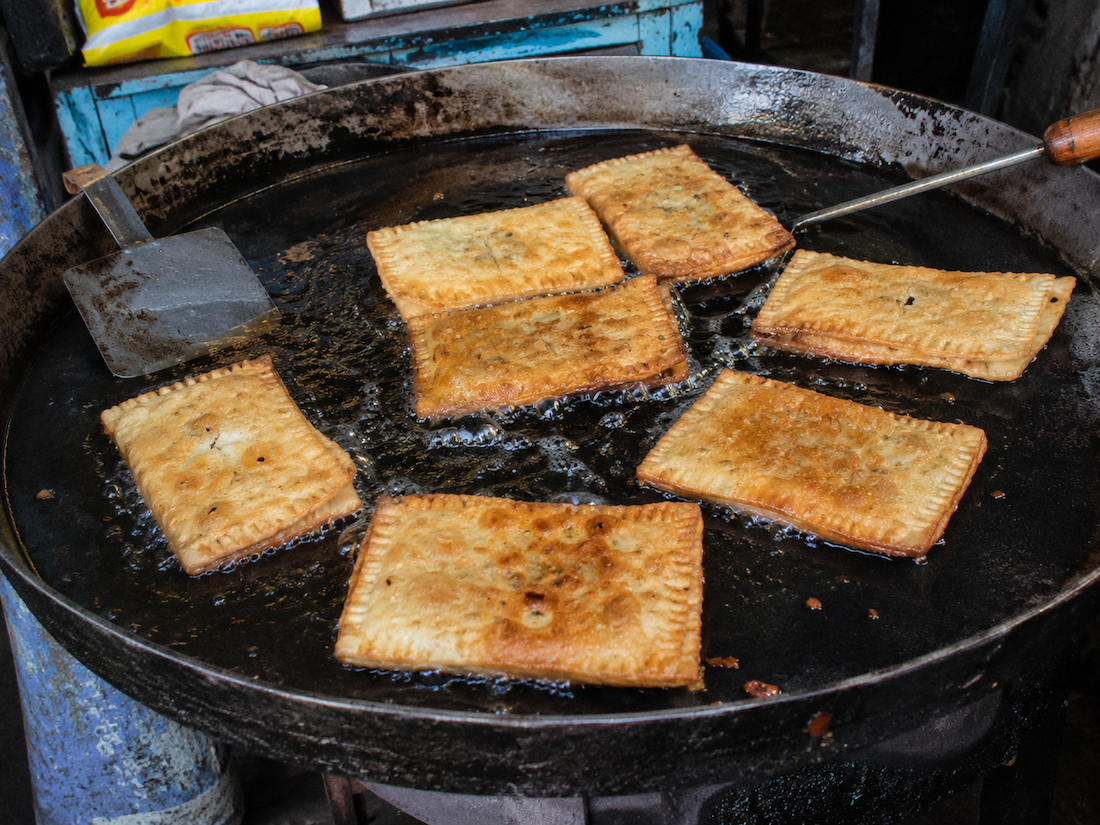
Lukhmi/ Hyderabad, India
Most visitors arrive in Hyderabad dreaming of biryani. Locals know that one of the city's finest discoveries fits comfortably in the palm of your hand.
The Lukhmi is a crisp, square pastry traditionally filled with delicately spiced minced meat, its origins tracing back to the royal kitchens of the Nizams. Elegant without being elaborate, it represents Hyderabad's remarkable ability to transform royal recipes into everyday indulgence.
The Detour: Spend time around Charminar, where bakeries and cafés such as Pista House and Shah Ghouse continue to serve exceptional Lukhmis alongside steaming cups of Irani chai.
Pro Tip: The ultimate Hyderabadi afternoon ritual is pairing the fiery, spiced-meat crunch of a fresh Lukhmi with the slow-brewed sweetness of Irani Chai. The intense contrast creates a perfect culinary harmony.
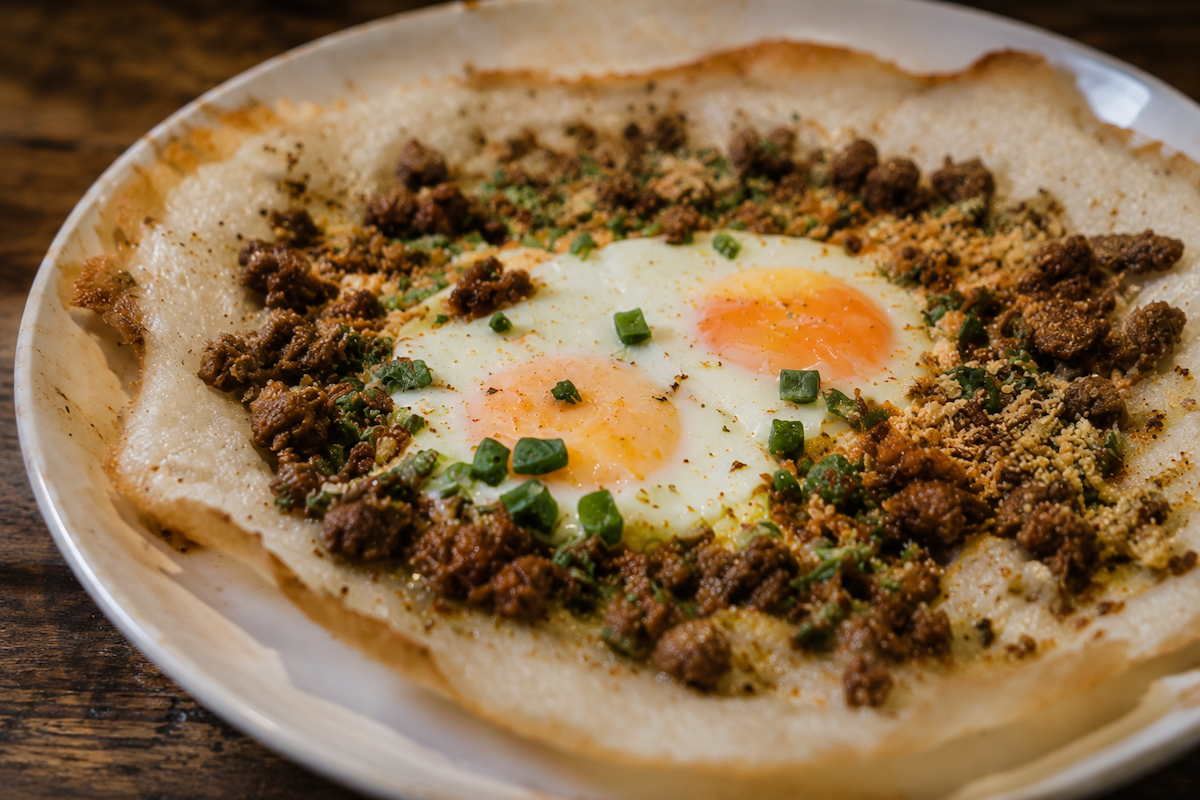
Chatamari/ Kathmandu, Nepal
Often compared to pizza, Chatamari deserves far better than the comparison. This traditional Newari speciality features a delicate rice-flour base topped with minced meat, eggs and fragrant spices before being cooked to crisp perfection. It reflects Kathmandu's rich Newari heritage, a culinary tradition that quietly survives amid the city's temples and bustling bazaars.
The Detour: Family-run Newari eateries around Patan Durbar Square and Ason Bazaar (often called bhattis) continue to prepare some of Kathmandu's finest Chatamari using recipes that have changed little over the years.
Pro Tip: Enjoy it after exploring Kathmandu's old neighbourhoods, where every alley seems to reveal another hidden courtyard or shrine.
The flavours that linger
Every city leaves behind a memory. Sometimes it's a skyline. Sometimes it's a temple, a mountain road or a perfect sunset. But more often than we realise, it's a flavour.
The beauty of Asia's street food lies not in its affordability, but in its honesty. These recipes have survived changing fashions, modern skylines and generations of travellers because they continue to do one thing exceptionally well: they tell the story of a place.
So the next time you arrive in a new city, resist the urge to book the most trending table in town. Follow the longest local queue instead. It might just lead you to the most unforgettable moment of your journey.
Leave a Comment
0 Comments
No comments yet — be the first!