A Hidden Gem | Bespoke Tailoring by Savileroy, New Delhi
In small town India of the 70's and early 80's, neighborhood tailors were a part of the extended fam...
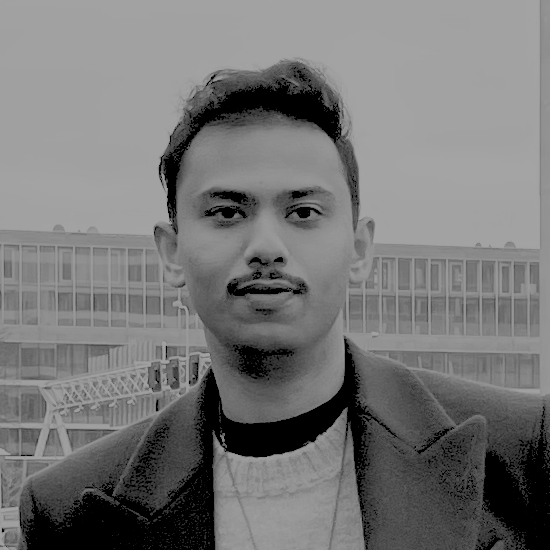
In small town India of the 70's and early 80's, neighborhood tailors were a part of the extended family. They would regularly drop by for an occasional chat or a cup of tea, make small talk with the family and generally share updates about the neighborhood. And work would happen in between. They would take measurements, come back for trials if required and deliver as per the occasion - school uniforms, shirts, trousers, basic formal and regular wardrobe essentials. The fabrics were basic and the stitching as good as an undemanding customer could expect.
Imported fabrics were rare in those days. Either a relative would get them from abroad during their India visit, or the resourceful few could get hold of the ones smuggled in from Nepal. But tailoring that special suit or tuxedo was always meant to happen during a big city trip to Calcutta, Delhi or Bombay. The privileged few who went to England to study (mostly doctors & lawyers) came back with their prized collection of suits, trenches and overcoats, and their acquisitions usually had a back story or an anecdote which made it all the more interesting. Europe was clearly unaffordable unless you were born ultra rich. Others who could afford it or were in jobs that allowed a rare international trip, would look forward to getting them stitched in the back alleys of Bangkok, Singapore or Hong Kong. And that really summed up the quintessential Indian gentleman.
The 90's and the prêt-à-porter revolution took away some of the sheen around local tailors. This, when the average disproportionate Indian still had difficulty slipping into a ready-to-wear garment. Many tailors closed down to seek alternate employment for survival. In most cases, the new generation showed little interest in pursuing the craft and taking the family name forward and migrated to bigger cities, taking up factory jobs instead. Only a handful of them managed to survive; some because they knew little else and a few others who were fiercely passionate about their craft.
One such passionate soul is a Kashmiri tailor who migrated to Delhi in the 90's. While one had heard about him before, a tweet from the British High Commissioner to India, Mr. James Bevan caught our attention. He tweeted, "Getting new suits made today. #Indian tailors are quick and professional. But making me look stylish may be beyond even them!" We wondered, "why would a top British diplomat who has access to the best bespoke tailors of Savile Row and has travelled around the world, get suits done in India?" On probing further, Mr. Bevan mentioned about "an excellent Kashmiri tailor who has worked for several High Commissioners before". He was kind enough to share the details of this tailor who goes by the rather curious name of Savileroy, referring to him as "a Kashmiri friend who is a true artisan".
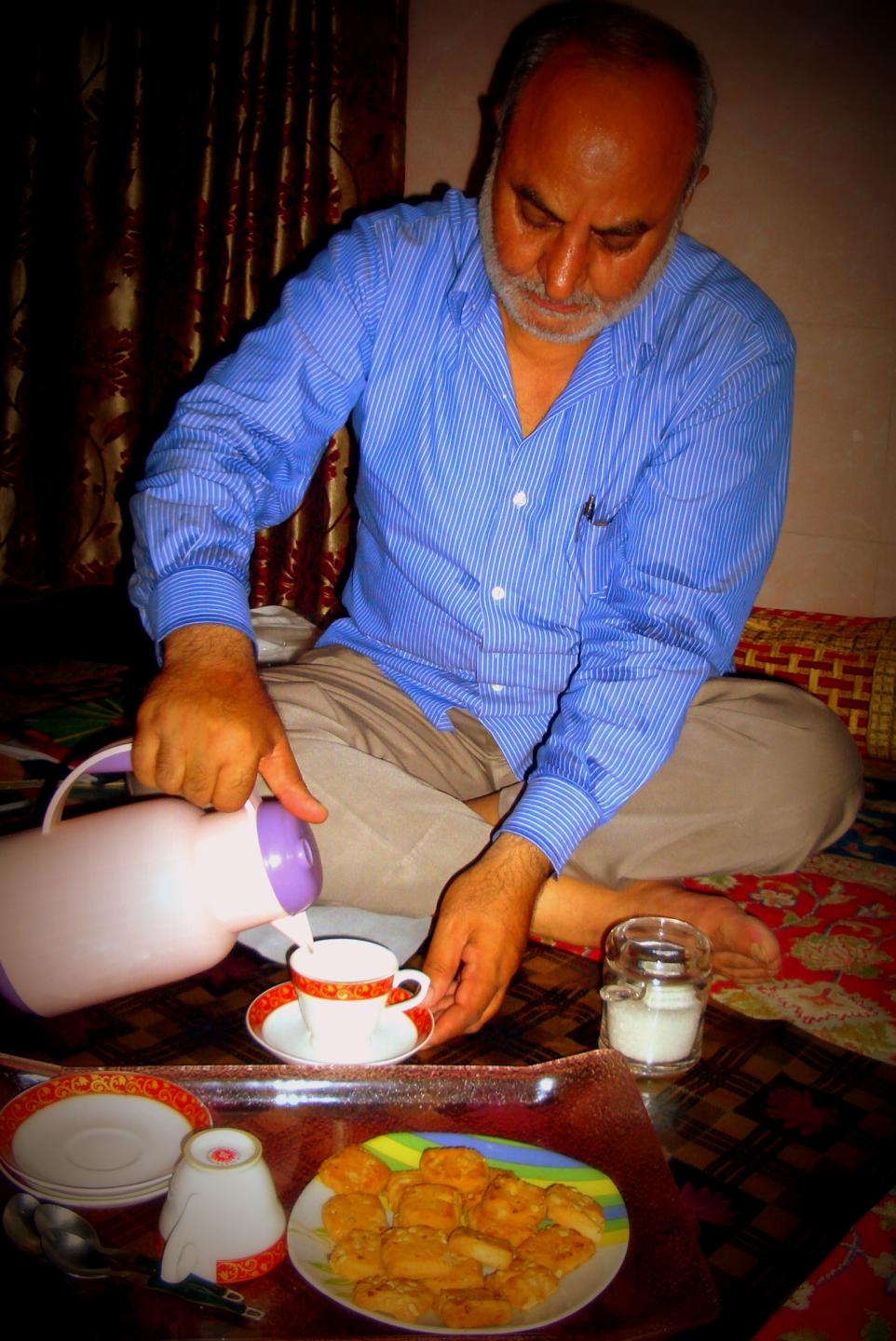
After fixing an appointment over the phone, we headed out to meet Mr. Savileroy. The narrow lanes of New Delhi's Jangpura area led us to a modest third floor home where he lives with his family. The winding staircase led us to a spartan room with just a carpet and cushions lined along the walls. As we settled down to have our conversation over some steaming kahwah (traditional green tea infused with cinnamon, cardamom, saffron & rose) and cookies, we couldn't help but think that here was a man who is arguably one of the most famous tailors the world may never have heard of.
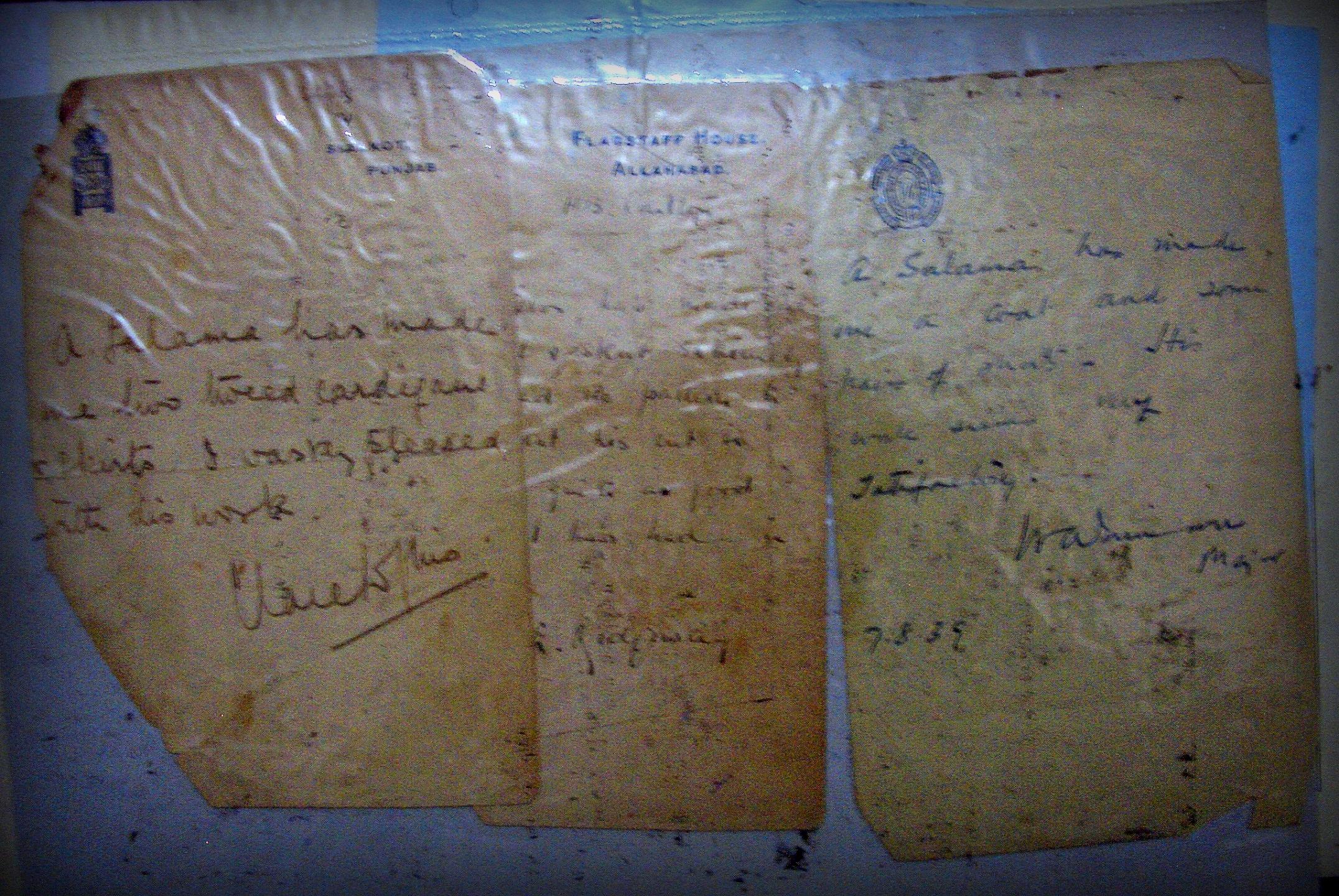
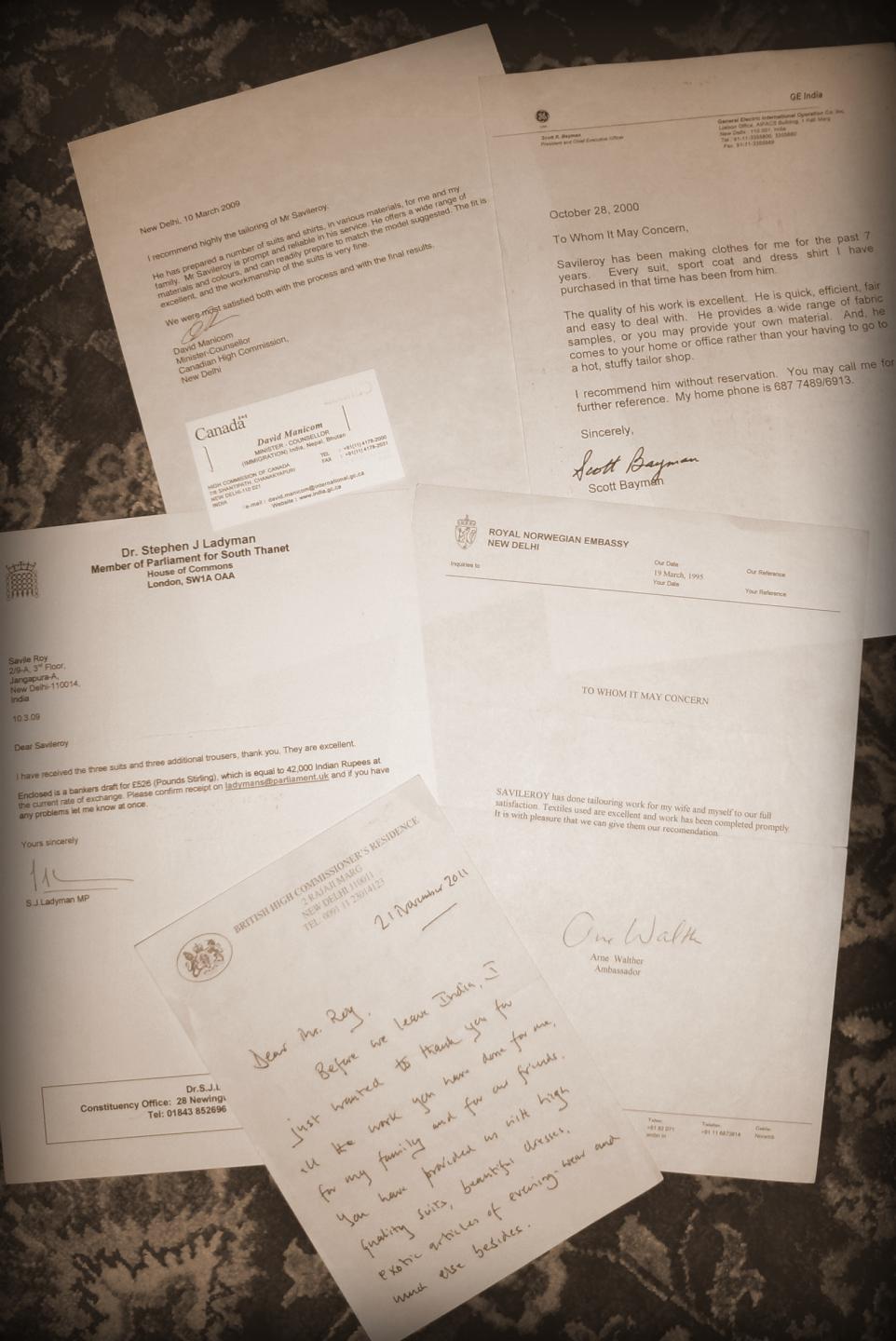
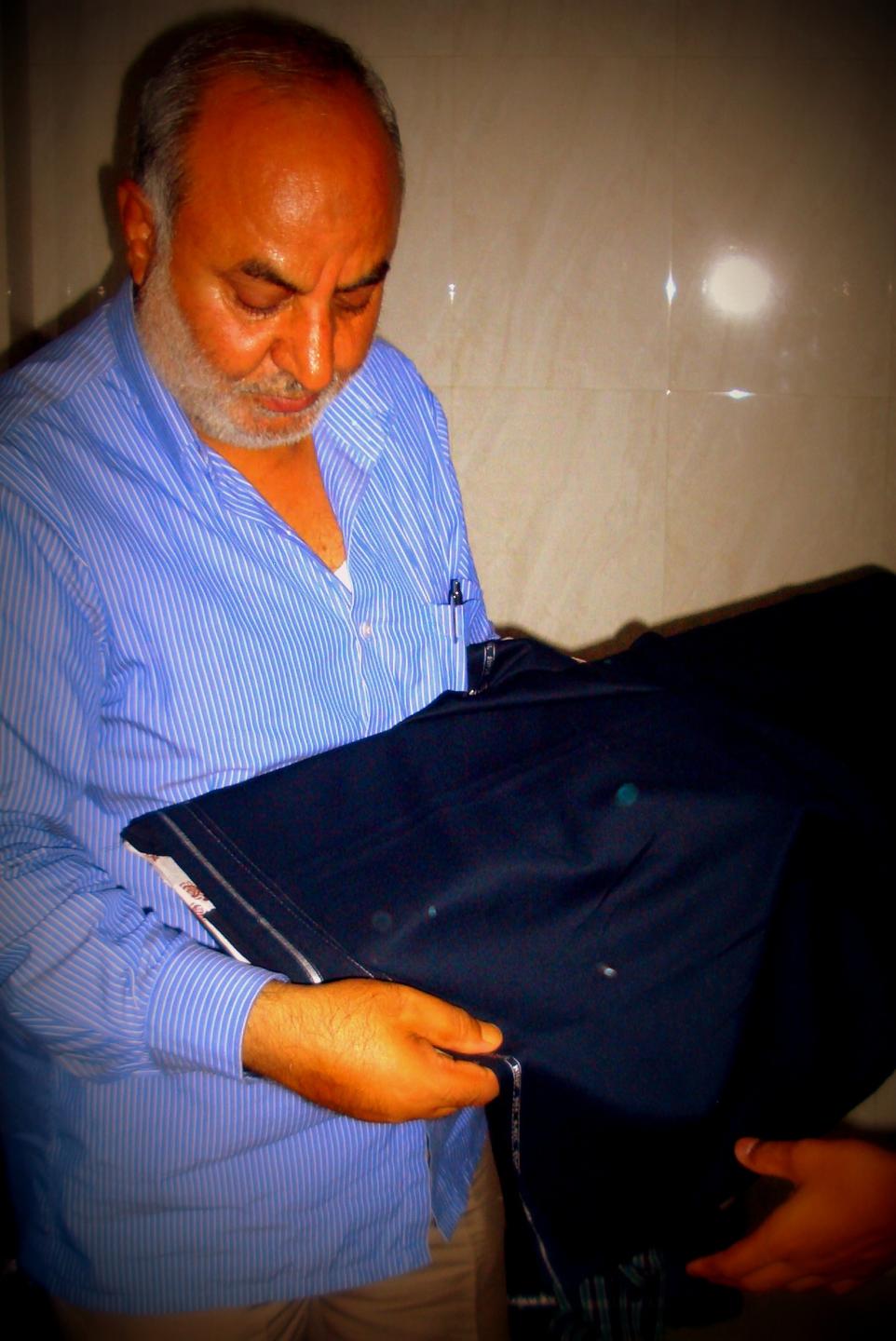
His real name is Abdul Majid Butt. Ask him why he is called Savileroy and he says it was the British in Colonial India that gave his grandfather the name, inspired by the famous London street Savile Row. And it stayed that way, ever since. The enterprise was formally started by his grandfather in Kashmir in the year 1842, and was known as A.Salama back then. When the Britishers used to visit Kashmir during summers, some of them got suits stitched by him, and the impeccable detailing, cuts and quick doorstep service caught their attention. Slowly word began to spread. We were shown a laminated handwritten recommendation letter by an English woman from Sialkot (Punjab) praising his grandfather's work, which dates back to September 20, 1933. Several other recommendations from the likes of Major Warriman of Queen Victoria’s Own Corps of Guides from the 1940's, Count D'Aspremont Lynden, the Belgian Ambassador in Delhi from the 1950's are also displayed proudly.
As business grew, Savileroy set up shop near Residency Road, Srinagar, a market area that was frequented by most foreign tourists. Things looked good for a while, but the build up of militancy in the region created havoc in the Valley and sadly their establishment was burnt down in the early 90's. One could see the pain and anger in his eyes as he narrated a bone chilling incident when he was hauled up by militants along with a group while returning from a hospital. Narrowly escaping death, he decided to leave everything behind in the Valley and come to Delhi with his family.
Over the last two decades in New Delhi, Savileroy has built an impressive clientele mostly comprising of dignitaries and diplomats. He proudly shares a folder containing photographs and recommendation letters from his many famous clients like Tony Blair, Cherie Blair, British Foreign Secretary Jack Straw, General Sir Mike Jackson, GE's Scott Bayman, Chelsea Clinton, British High Commissioners Sir Rob Young & Richard Stagg and the English cricket team. He gets referral orders for international delegations and customers in UK, Europe, US and Canada over the internet. Once you are a client, he will always have your measurements and details in his records. He has very few Indian clients and counts Karan Thapar, Shyam Benegal and Suhel Seth, as some of them.
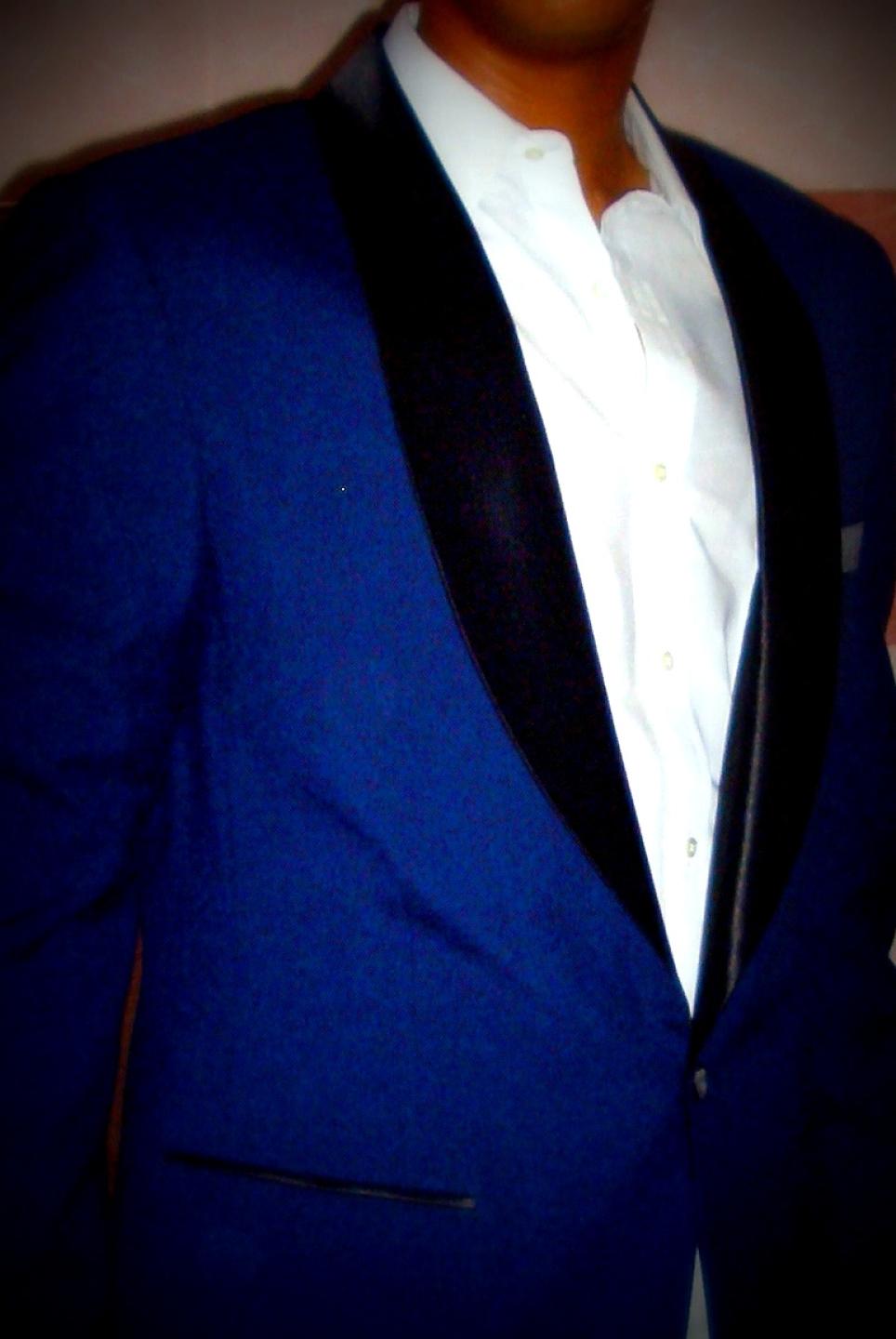
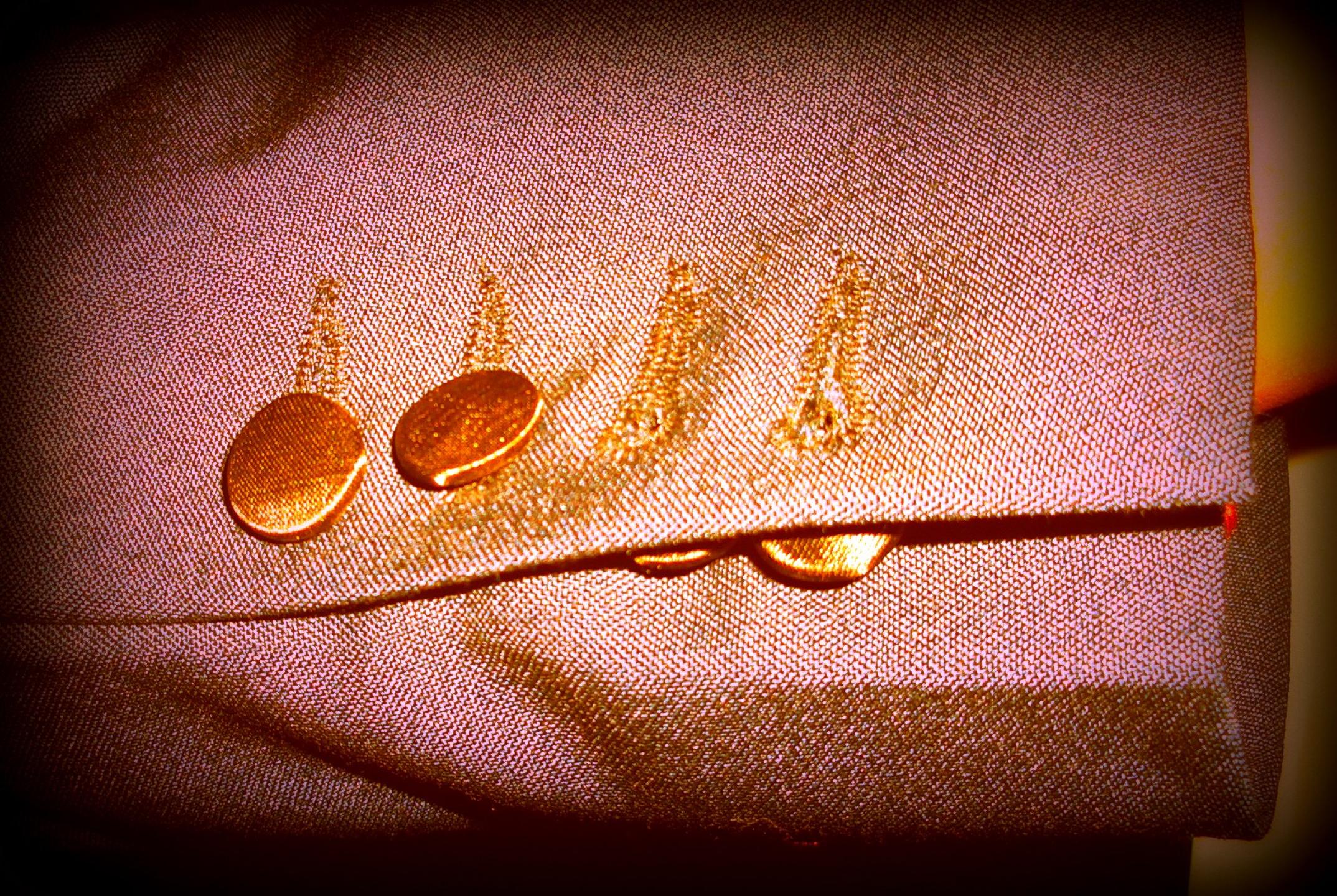
Talk to him about the craft and tailoring, and his eyes light up. Clearly, it is a passion for him and he admits having given up many financially lucrative offers to stick to what he does best. He is immensely knowledgeable about the subject and does fuss over intricacies like ticket pockets, working cuffs, tailored inner pockets, hand stitched lining and floating canvas construction. He proudly claims that he can replicate any type of suit by just looking at a photograph and give the exact cut, style and detailing that you would expect from the best bespoke tailors of Savile Row at a much affordable price. From hunting jackets to blazers, single or double-breasted suits, waistcoats, tuxedos, morning suits, dress shirts & trousers, women's business suits & western dresses, he can make them all.
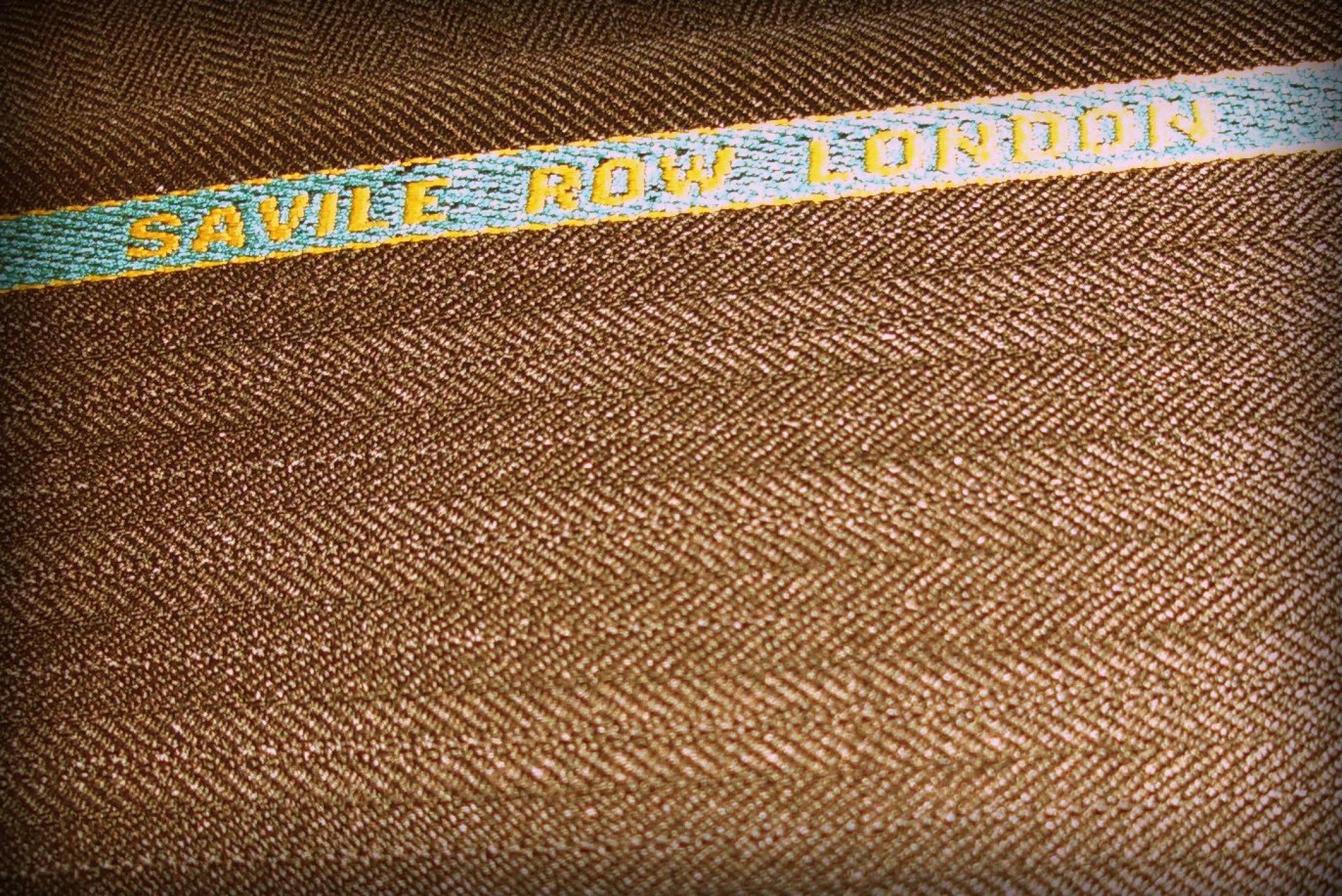
Service is entirely at the customer's doorstep. Give him a call and he will come with a selection of material. His collection includes original Savile Row suit lengths, Prince of Wales checks, velvets, super 120 wool fabric and other assorted varieties. He takes the measurements and cuts the cloth pattern himself. The suit is then constructed at his workshop in old Delhi, where he has a dedicated team of around 15-20 craftsmen who have been old hands with the family. The suit is ready for trial in 2 days and the final product can be delivered on the 3rd day. Sometimes even earlier.
Nowadays he does get a fair share of orders online from old clients or through referrals and is happy that technology helps get him new business. I did recommend that he should have an active website and a social media presence through Facebook and Twitter, so that he can reach out to his clients around the world.
For his craft, Savileroy is not very expensive. A shirt costs Rs.1500 (US$27), and if you give the material, the tailoring cost is just Rs.400 (US$7). Tailoring cost (without material) for a suit with fused lining is Rs.6,000 (US$107) and for a floating canvas construction, it is Rs.8,500 (US$150). A complete two piece suit with material could cost anywhere between Rs.10,000-20,000 (US$180-360) depending on the fabric.
Meeting Abdul Majid Butt brought back memories of the 70's and 80's and the concept of family tailors. We talked about Kashmir, politics, his sons and about the craft that the family has so carefully nurtured over three generations. Whether his sons will continue the tradition, one cannot say. But as we parted, we promised to get some suits done. It was fascinating to see how content he was with his reasonable success, without any lofty ambitions of competing with the likes of other fellow Indians like Raja Daswani (Raja Fashion) and Manu Melwani (Sam's Tailor).
Truly a master craftsman who deserves to be put on a pedestal and displayed to the world as one of the finest in the field - Savileroy is perhaps India's answer to the best that Mayfair has to offer.